Trump Floats Redo of Alaska Senate Election if Sullivan Loses
Trump raised the possibility of a new election during an interview aired on November 2, after being asked whether he could “redo” the contest if it were close and Sullivan lost. Trump said he would need to consult lawyers, but called the alleged effort to recruit another candidate named Dan Sullivan a criminal act. He accused Peltola and Democrats of trying to confuse voters; Peltola has denied recruiting the other Sullivan.
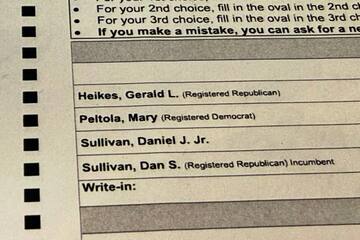
The Justice Department sued to prevent Alaska from certifying the Senate result if Sullivan loses, citing the presence of the second Sullivan on the ballot. A federal judge dismissed the case on Sunday. The administration said it planned to appeal. The ballot lists the candidates with different names and identifies Dan Sullivan as the Republican incumbent.
The race is closely contested, with recent polls putting the candidates near a tie. Alaska’s Republican governor has also ordered an investigation into Peltola’s campaign. The state Supreme Court declined to remove the second Sullivan from the ballot. Alaska uses ranked-choice voting, under which the lowest-ranked candidate is eliminated in successive rounds and votes transfer to voters’ next choices until a candidate wins a majority.
Trump’s Election Threat Puts Alaska Vote Under Federal Pressure
The threat is the latest escalation in the administration’s effort to intervene in a close Alaska race before votes are counted. Trump said on November 2 that he might consider redoing the election if Sullivan loses, while accusing Democrat Mary Peltola of helping recruit another candidate named Dan Sullivan. Peltola denies the allegation.
The Justice Department sought to stop Alaska from certifying the outcome if the Republican incumbent loses. A federal judge dismissed the suit on Sunday, and the administration plans to appeal. The ballot distinguishes the candidates and identifies Sullivan as the Republican incumbent; Alaska’s Supreme Court has refused to remove the other candidate.
The case focuses federal power on one state’s Senate contest, where polls show a close race. Trump’s statement that he would consult lawyers before acting does not erase the stakes: his administration is challenging certification before voters have chosen a winner. Alaska’s ranked-choice system eliminates the lowest vote-getter in rounds and transfers ballots according to voters’ next choices.
Alaska Ballot Dispute Raises Questions as Trump Floats New Vote
A close Alaska Senate race has become the focus of a dispute over whether the ballot’s two candidates named Sullivan could mislead voters. President Donald Trump accused Democrat Mary Peltola and Democrats of recruiting the second candidate to divert votes from incumbent Dan Sullivan. Peltola denies recruiting him, and the ballot identifies Sullivan as the Republican incumbent while listing the candidates differently.
The Justice Department sued to block certification if Sullivan loses, arguing that the second candidate could cause confusion. A judge dismissed the case on Sunday, but the administration plans to appeal. Alaska’s Supreme Court has declined to remove the second Sullivan from the ballot.
Trump said on November 2 that he might consider redoing the election if Sullivan loses, adding that he would consult lawyers and describing the alleged recruitment as criminal. With polls showing a close contest, the dispute puts ballot clarity and the handling of a tight result at the center of the race. Alaska uses ranked-choice voting, with successive rounds eliminating the lowest candidate and distributing voters’ next choices.
Reported by The Guardian US, Raw Story, Daily Kos, MSNBC.