US disables merchant ship near Iranian ports
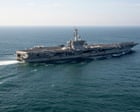
The U.S. military said it stopped a commercial vessel in the Gulf of Oman on November 26 after it attempted to pass a U.S. blockade of Iranian ports. The vessel, the Palau-flagged Pacific Archer, had departed Bandar Abbas, Iran, and was listed by ship-tracking services as headed for Singapore.
U.S. Central Command said an aircraft fired precision munitions at the ship’s stern, disabling its propulsion. The command said the civilian crew was not hurt. It has said in the past that U.S. forces issue repeated warnings before firing on vessels.
The blockade began in April, was lifted during peace talks in the summer and resumed in July. The military says it has since redirected 158 merchant ships and disabled those that did not comply. Public disclosures identify the Pacific Archer as the 15th or more vessel disabled since the blockade began, and the sixth since it resumed. The previous disclosed incident was on November 7.
The enforcement has drawn scrutiny after a June strike on a tanker attempting to evade the blockade killed three Indian sailors. The International Maritime Organization’s leader condemned that attack.
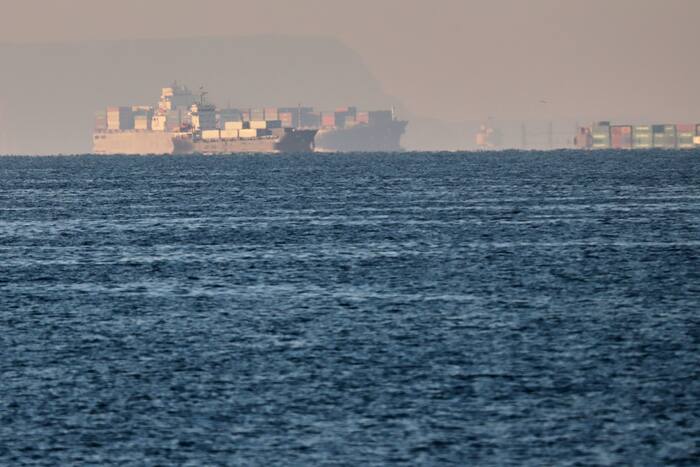
Iran’s Revolutionary Guard said on November 27 that two tankers tried to use an unauthorized route through the Strait of Hormuz; it claimed one hit a naval mine and the other turned back. Those claims could not be independently verified. Iran continues to warn ships to obtain Tehran’s approval before transiting. Oil flows in the first half of November were about 13 million barrels a day, roughly 20% below October levels, Rystad Energy said. Disruptions to major shipping routes are also increasing voyage times, fuel costs and port congestion, a U.N. Trade and Development report found.
US blockade strike raises fresh concerns for civilian crews
A U.S. aircraft fired on the Pacific Archer after it tried to pass the U.S. blockade of Iranian ports, disabling the merchant ship’s propulsion. The vessel’s civilian crew was unharmed, Central Command said. But the strike comes after a June blockade incident killed three Indian sailors, underscoring the human stakes of using force against commercial ships.
The Pacific Archer, a Palau-flagged vessel that had left Bandar Abbas, is at least the 15th ship the U.S. military has disclosed disabling since the blockade began. The military says it has redirected 158 merchant ships since the blockade resumed in July, after a summer pause during peace talks.
Central Command says forces give multiple warnings before firing. That does not erase the risks demonstrated by the earlier deadly strike, which drew condemnation from the head of the International Maritime Organization. The latest incident makes the consequences of the blockade impossible to treat as merely procedural.
The Strait of Hormuz is already under pressure. Iran’s Revolutionary Guard claimed two tankers tried an unauthorized route on November 27, with one hitting a mine and the other turning back; those claims remain unverified. Oil flows were down about 20% in early November compared with October, while U.N. Trade and Development says disruption to key routes is adding costs, delays and uncertainty. The blockade’s enforcement is unfolding amid those broader risks to crews and trade.
US enforces blockade after merchant ship tries to pass
The Pacific Archer tried to pass a U.S. blockade after departing Iran’s Bandar Abbas port, and U.S. forces stopped it. Central Command said an aircraft struck the ship’s stern, disabling its propulsion, while the civilian crew remained unharmed. The action shows the blockade is being enforced rather than left as a warning with no consequence.
The blockade began in April, paused during summer peace talks and resumed in July. The military says it has redirected 158 merchant ships since the resumption and disabled vessels that refused to obey. Publicly disclosed cases show the Pacific Archer is among at least six ships disabled since the blockade resumed.
Central Command says U.S. forces issue multiple warnings before firing. The latest case ended without injury to the crew, in contrast with a June strike that killed three Indian sailors and was condemned by the International Maritime Organization’s leader. That earlier loss makes the importance of warnings and compliance plain; it does not change the reported circumstances of this incident.
Iran continues to warn ships to seek Tehran’s approval before crossing the Strait of Hormuz. Its Revolutionary Guard said on November 27 that one tanker hit a mine and another turned back after attempting an unauthorized route, though the claims could not be independently verified. Meanwhile, oil flows fell about 20% in early November from October, and disruptions to major shipping corridors are raising costs and delays. The episode highlights the stakes of keeping shipping routes secure while the blockade remains in force.
Reported by KPRC 2 Click2Houston, The Philadelphia Inquirer.