UK Net Migration Drops to 77,000
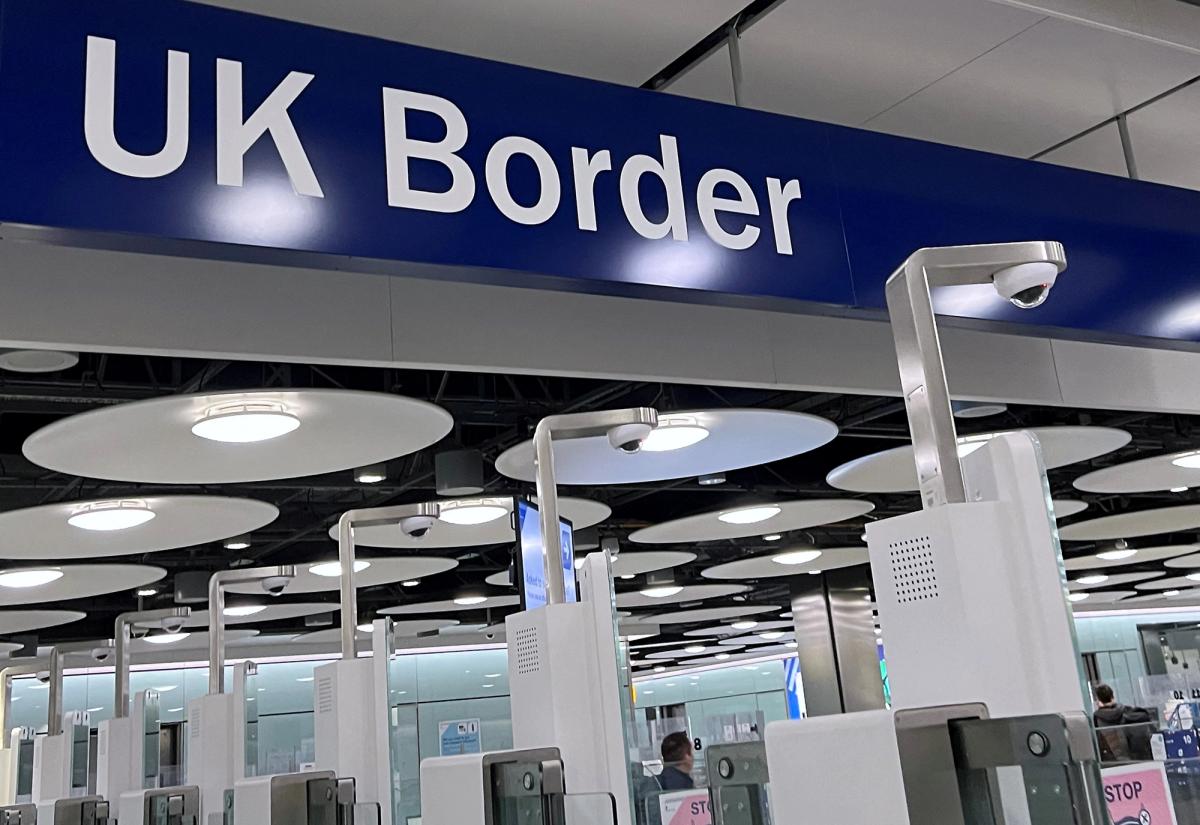
Net migration to the UK fell to 77,000 in the 12 months ending in June, according to provisional official estimates released on November 26. It was the lowest level since 1997, excluding the pandemic period. Fewer arrivals from outside the European Union accounted for much of the decline.
The fall follows tighter visa rules for students and workers, introduced as governments responded to public concern over immigration. Measures brought in under former Conservative Prime Minister Rishi Sunak limited some international students’ ability to bring family members. The Labour government, elected in 2024 and now led by Prime Minister Andy Burnham, has continued and expanded restrictions.
The figures mark a sharp reversal from the peak of above 900,000 during the 12 months through June 2023. That increase followed post-Brexit rule changes introduced under former Prime Minister Boris Johnson.
Home Secretary Shabana Mahmood said the decline showed the government had “restored control.” The result is likely to be viewed as a political gain for Labour, which had pledged to reduce migration.
Some analysts cautioned that lower migration could have economic costs. One think tank executive said workers were needed for the UK’s reindustrialization plans, while a migration expert warned that prolonged net emigration could put pressure on public finances.
Migration Drop Raises Questions About the Workers Britain Needs
The UK’s net migration fell to 77,000 in the year ending in June, the lowest level since 1997 outside the pandemic, provisional figures released on November 26 showed. The sharp decline, driven largely by fewer non-EU arrivals, follows tougher rules for students and workers.
The Labour government has extended restrictions introduced under the Conservatives, including limits on some international students bringing family members. Home Secretary Shabana Mahmood presented the drop as proof the government had “restored control,” but a lower headline figure does not settle the question of what the country needs.
Analysts have warned that sustained net emigration could strain public finances. A think tank executive also said reindustrializing the UK depends on workers considered critical to that strategy. Those concerns put the economic stakes alongside the government’s effort to respond to public anger over immigration.
Migration had exceeded 900,000 in the year ending in June 2023 after rule changes under former Prime Minister Boris Johnson. The new figures are a striking reversal, but the policy challenge is not simply to reduce arrivals: it is also to ensure the workforce can support the country’s plans.
Tougher Border Rules Bring UK Migration Down to 77,000
Net migration to the UK fell to 77,000 in the year ending in June, provisional official figures released on November 26 showed. The total is the lowest since 1997 outside the pandemic, and the decline was largely driven by fewer non-EU arrivals.
The fall comes after public concern about immigration pushed successive governments toward tighter controls. Former Conservative Prime Minister Rishi Sunak restricted some international students from bringing family members, and the Labour government that took office in 2024 has extended and expanded those measures.
Home Secretary Shabana Mahmood said the government had “restored control.” That is a clear contrast with the migration high of over 900,000 during the 12 months through June 2023, after post-Brexit rules introduced under Boris Johnson.
Some analysts warn that lower migration could have economic consequences, arguing that workers are needed for reindustrialization and that sustained net emigration may strain public finances. Those concerns deserve attention, but they do not erase the public demand for a more restrictive approach that helped drive the policy changes.
Reported by The Boston Globe, Semafor.