Macy’s Parade Postponement Sparks Attacks on Mamdani
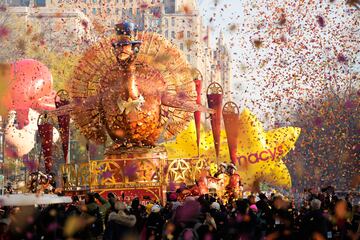
On November 26, the Macy’s Thanksgiving Day Parade was set to take place Saturday at 8:30 a.m., after Macy’s and city officials postponed it because of a storm. It was the first postponement in the parade’s 100-year history. The storm brought coastal flooding and strong winds to the region, and New York City gusts reached 39 to 40 mph Thursday morning, above the 34 mph limit for flying the giant balloons.
Mamdani said safety had to come first. Macy’s, city agencies and the NYPD were involved in the decision, as were parade organizers and the network broadcasting it. Officials expected the worst of the storm from noon to 8 p.m.; some online critics had circulated Times Square webcam footage from earlier in the morning to argue conditions looked mild.
Conservative commentators and influencers accused Mamdani of using the weather as a pretext to disrupt an American tradition. Dave Rubin said the decision reflected hostility toward the country, while others tied it to the mayor’s politics or religion. Some posts described the parade as canceled, though it had been rescheduled.
The balloon safety limit dates to a 1997 parade accident, when powerful gusts drove a Cat in the Hat balloon against a streetlight. Falling debris left a spectator in a coma for 24 days, after which then-Mayor Rudy Giuliani established restrictions on balloon flights in high winds.
Mamdani said an Achilles tendon injury would prevent him from attending the Saturday event. The same storm also disrupted Philadelphia’s Thanksgiving parade, which was outside his authority. The New York parade is scheduled to proceed on its new date.
Storm Safety, Not Politics, Put Macy’s Parade on Hold
On November 26, Macy’s Thanksgiving Day Parade organizers and New York City officials moved the event to Saturday, putting safety ahead of a schedule threatened by a powerful storm. The first postponement in the parade’s 100-year history followed gusts of 39 to 40 mph in the city, above the 34 mph threshold for flying its giant balloons.
Mamdani said safety had to come first. Macy’s, the NYPD, city agencies and the network involved in the broadcast all took part in the decision. The expected worst of the storm was still ahead when some critics shared early Times Square webcam footage as proof the weather was mild. But the clips were filmed before the forecast peak and could not show wind gusts.
Conservative voices instead accused Mamdani of attacking America or its traditions, with some claiming the parade was canceled rather than rescheduled. That rhetoric shifted attention from the weather risk and the shared decision-making behind the move to unsubstantiated claims about the mayor’s motives.
The safety rules have a concrete history: in 1997, strong winds drove a Cat in the Hat balloon against a streetlight, and falling debris left a spectator in a coma for 24 days. Then-Mayor Rudy Giuliani later set restrictions barring giant balloons when gusts exceeded 34 mph.
The parade is scheduled to begin at 8:30 a.m. Saturday. Mamdani, who said an Achilles tendon injury would prevent him from attending, was not the sole decision-maker. The storm disrupted Philadelphia’s Thanksgiving parade as well.
Officials’ Parade Delay Fuels Questions About Mamdani’s Role
On November 26, the Macy’s Thanksgiving Day Parade was pushed to Saturday, breaking with a century of uninterrupted tradition. City gusts reached 39 to 40 mph, above the 34 mph limit for the giant balloons, and officials expected the storm to worsen later in the day.
Mamdani defended the move on safety grounds, but the decision was not his alone: Macy’s, city agencies, the NYPD and the network involved in the broadcast participated. That shared responsibility matters, even as conservative influencers made the mayor the focus of their criticism and accused him of exploiting the weather to disrupt a national tradition.
Some critics pointed to Times Square webcam clips showing calmer conditions in the morning. Those images preceded the forecast period of worst weather and could not capture gusts, the factor used to determine whether balloons can fly. The 34 mph rule followed a 1997 accident, when wind forced a balloon against a streetlight and falling debris left a spectator in a coma for 24 days.
The postponement raises a legitimate public question about how officials balance weather risks against the disruption of a major tradition. But the evidence cited for the delay includes winds near the threshold and a safety rule created after a serious accident; the parade was moved, not canceled.
The event is scheduled for 8:30 a.m. Saturday. Mamdani said an Achilles tendon injury would keep him away. The same storm disrupted Philadelphia’s parade, beyond the New York mayor’s authority.
Reported by The Daily Beast, Raw Story.