Iranian Twin Sentenced to Death After Alleged Torture
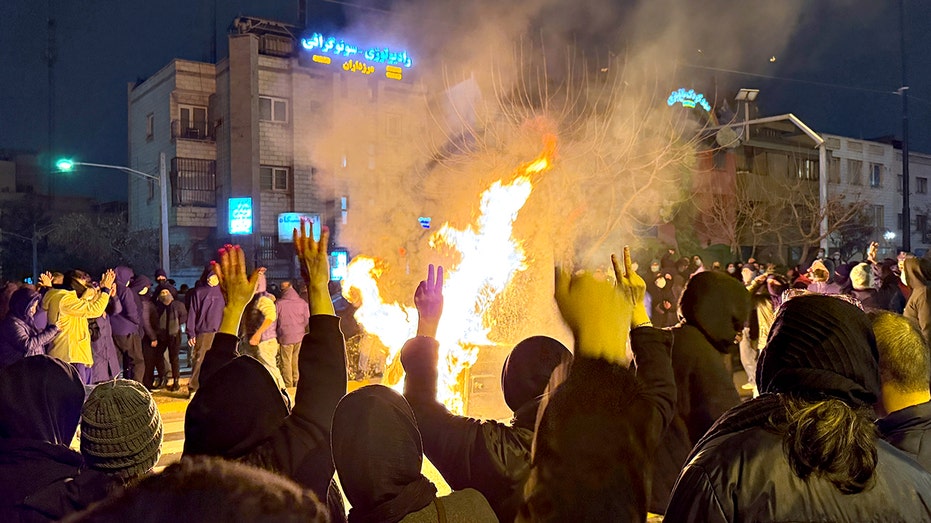
Taraneh Rahimi was sentenced to death by hanging in Iran after being convicted of moharebeh, a capital offence. Her twin sister, Romina, received a 25-year prison sentence for aiding and abetting the offence. The sisters were detained toward the end of January following their participation in protests in Isfahan, where a member of the Islamic Revolutionary Guards Corps security force was killed.
Their cousin, Masoud Nourmohammadi, said interrogators pressured Taraneh into signing a confession by threatening to sexually assault Romina in her presence. He said beatings left Taraneh unable to walk properly, and an untreated head injury caused an ear infection and balance problems. Their mother said the sisters’ faces were badly bruised and swollen, and their hair had been pulled out so severely that she recognized them by their voices during a prison visit in May.
The sisters deny the charges, and their family says nothing shows that Taraneh possessed a bladed weapon. Their lawyers have submitted a complaint alleging torture and sexual abuse during questioning. The complaint is being investigated by an official the family accuses of torture. The sisters have not seen relatives since their sentences were handed down.
The UN human rights rapporteur for Iran, Mai Sato, said six women have received death sentences during the year over demonstrations. She said a case involving the twins included 10 death sentences without specifying what each person was accused of doing. Amnesty International has described the charges against the sisters as politically motivated.
Iran’s embassy in London rejected claims of torture and said death sentences linked to the January unrest involved murder or moharebeh, not peaceful protest. The January demonstrations began amid an economic crisis and grew into calls to overthrow Supreme Leader Ayatollah Ali Khamenei. The government has acknowledged more than 3,000 deaths; HRANA has counted over 7,000 and said more than 50,000 people were arrested in just over six weeks.
Iran’s Death Sentence for a Young Protester Raises Alarm
A 21-year-old protester is facing execution in Iran after a conviction her family says rests on a confession extracted through torture. Taraneh Rahimi was sentenced to death, and her twin sister Romina received 25 years in prison after their arrest at January demonstrations in Isfahan.
Their cousin says interrogators beat Taraneh and said they would sexually assault Romina while Taraneh watched if she did not sign a confession. The beatings allegedly left Taraneh struggling to walk, with balance problems linked to an untreated head injury. Their mother said the sisters looked so battered and disfigured when she saw them in May that she identified them by their voices.
The sisters deny the accusations, and their family says nothing shows Taraneh carried a bladed weapon. Lawyers have lodged a complaint over alleged torture and sexual abuse, but the inquiry is overseen by an official the family accuses of torture. Amnesty International has called the charges politically motivated.
Iran’s embassy rejects torture allegations and says the sentences concerned murder or moharebeh rather than peaceful protest. That denial does not resolve the family’s allegations or the absence, according to the UN rapporteur, of clear descriptions of what each accused person did. Mai Sato says six women have received death sentences tied to demonstrations this year, as the sisters await what comes next without contact with their relatives.
Iran Targets Protester With Death Sentence After Alleged Torture
Iran’s punishment of a young protester has again put the regime’s response to dissent in the spotlight. Taraneh Rahimi, 21, was sentenced to death after joining January demonstrations in Isfahan; her twin sister Romina was given 25 years in prison.
The family says interrogators beat both sisters and forced Taraneh to confess by threatening to rape Romina in front of her. Their cousin says Taraneh’s injuries have left her unable to walk properly and affected her balance. Their mother described seeing the sisters in May with swollen, bruised faces and hair pulled out, recognizing them by their voices.
The sisters reject the charges. Their family says there is no proof Taraneh had a bladed weapon, and their lawyers have filed a complaint alleging torture and sexual abuse. The investigation is being handled by an official they accuse of torture. The case is especially grave because the sentence is death by hanging, while Romina faces a 25-year term.
Iran’s embassy denies torture and argues that sentences tied to the January unrest concern murder or moharebeh, not peaceful protest. The UN rapporteur says six women have received death sentences over demonstrations this year and that a case covering 10 death sentences did not clarify each individual’s alleged actions. The family’s account and the government’s denial leave a stark dispute over the treatment and prosecution of the sisters.
Reported by Daily Mail US, PJ Media.