Trump Says He Urged Putin to Halt Aggression Across Europe
On November 26, Trump said he had urged Putin during their meeting in China last week to stop military aggression across Europe. In a Truth Social post, he said he believed a quick agreement between Russia and Ukraine was possible and described the war as a “complete bloodbath.” He also said he had discussed the conversation with NATO Secretary-General Mark Rutte.
Trump’s comments followed a meeting with Rutte at Mar-a-Lago on November 25. A statement Trump shared after the meeting called on both Russia and Ukraine to avoid widening the conflict; NATO’s version singled out Russia. Rutte has warned that Russian missiles could reach several European cities within minutes of the time needed to reach cities closer to Russia.
The comments came amid continuing efforts to negotiate an end to the war. Russian and Ukrainian representatives met in Abu Dhabi earlier this month and agreed to a prisoner exchange, but did not settle their differences over territory. Trump’s envoy Jared Kushner and special envoy Steve Witkoff have also held talks with Putin and Ukrainian President Volodymyr Zelensky.
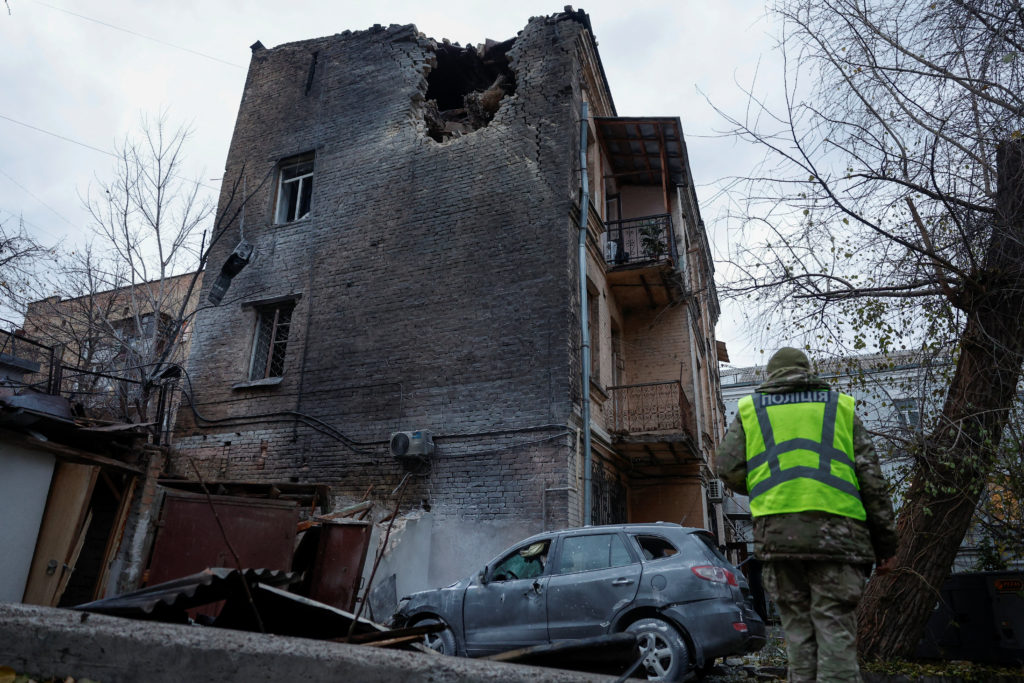
Territory and security guarantees remain major obstacles: Moscow seeks Ukrainian land it has not fully captured, while Kyiv wants Western guarantees against another invasion. Zelensky said on November 26 that Kyiv’s intelligence service assessed Moscow was getting ready for a further major strike on energy infrastructure, as crews worked to restore power after earlier attacks.
Trump’s Peace Push Must Not Blur Russia’s Responsibility
Trump’s appeal to Putin may sound like diplomacy, but the central test is whether Russia stops its attacks and accepts a settlement that protects Ukraine. On November 26, Trump said he pressed Putin in China last week to halt military aggression across Europe and called a rapid deal possible.
The stakes extend beyond a hopeful post. Rutte has warned that Russian missiles could reach European cities within minutes of the time needed to reach cities nearer Russia. NATO’s statement after Rutte met Trump on November 25 singled out Russia as the side that must avoid widening the war. Trump’s version instead called on both Russia and Ukraine to refrain from doing so.
Negotiations have not resolved the core dispute. Russia wants Ukrainian territory it has not fully captured, while Ukraine seeks Western security guarantees against another invasion. A prisoner exchange was agreed at talks in Abu Dhabi earlier this month, but territory remains unsettled. Zelensky said on November 26 that Kyiv’s intelligence service assessed Moscow was preparing a further large-scale strike targeting energy infrastructure.
A deal that ends the bloodshed matters. But the facts described by the parties leave no easy substitute for confronting the risks Russia poses to Ukraine and the wider continent.
Trump’s Direct Push Offers a Path Beyond Ukraine’s Bloodshed
Trump is pursuing the outcome Americans need: an end to the war in Ukraine. On November 26, he said he used his meeting with Putin in China last week to press the Russian leader to curb military aggression across Europe, and voiced confidence that a swift agreement could be reached.
That effort deserves attention as negotiations continue. Trump met NATO Secretary-General Mark Rutte on November 25 and said he briefed him on the Putin discussions. Russia and Ukraine have already met directly in Abu Dhabi this month, agreeing to a prisoner exchange even though territory remains unresolved. Trump’s envoys, Jared Kushner and Steve Witkoff, have also met with Putin and Zelensky.
The obstacles are real: Moscow seeks Ukrainian territory it has not fully captured, while Kyiv wants Western security guarantees against another invasion. Zelensky said on November 26 that Ukraine’s intelligence service assessed Moscow was preparing a further major strike targeting energy infrastructure. Rutte has also raised concerns about the reach of Russian missiles across Europe.
Trump’s optimism is not a settled peace, but continued fighting and unresolved talks are no answer either. The immediate test is whether direct pressure and negotiation can produce a deal that stops the bloodshed.
Reported by New York Post, Newsweek.