Sheinbaum rebukes DEA for opening cartel tip lines in Mexico
Mexican President Claudia Sheinbaum objected on November 26 to the U.S. Drug Enforcement Administration’s new channels for anonymous tips about criminal networks in Mexico. The DEA is taking information through WhatsApp, Signal and email about cartel members, officials accused of helping them, and people involved in money laundering in Sinaloa, a stronghold of the Sinaloa cartel.
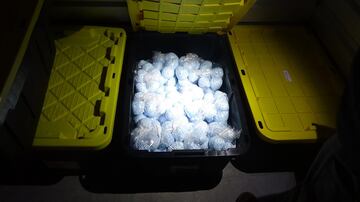
Sheinbaum described the initiative as interference and said U.S. authorities should concentrate on problems within their own borders. Her criticism followed an Associated Press investigation that she cited, which found the agency failed to seize at least 1.4 million fake fentanyl pills while tracking a trafficking operation from August 2024 to April 2025. She likened the conduct to the U.S. gun-walking scandal known as Fast and Furious.
DEA Administrator Terry Cole said tips would be handled confidentially and that informants’ safety mattered. He also said a tip channel for Jalisco, home to the Jalisco New Generation Cartel, would be announced on November 26. Washington has designated both cartels as terrorist organizations.
The dispute comes as the United States presses Mexico to act against cartels, including offering to send troops—a proposal Sheinbaum has rejected. The two countries recently cooperated in a Mexican operation that captured Sinaloa cartel ally Fausto Isidro Meza Flores, with U.S. drone support. Mexico says he will face trial there, despite a U.S. extradition request.
Tensions have also followed a U.S. indictment accusing Sinaloa Gov. Rubén Rocha Moya and nine other officials of cartel collaboration. Rocha Moya took indefinite leave, and Mexican authorities declined to arrest him for extradition. A former state security secretary surrendered to U.S. authorities in May.
DEA tip lines deepen concerns over U.S. conduct in Mexico
The DEA is asking people in Sinaloa to report cartel members, alleged corrupt officials and money launderers—even as an AP investigation cited by President Claudia Sheinbaum found the agency failed to seize at least 1.4 million fake fentanyl pills during an investigation. Sheinbaum’s challenge on November 26 put the focus on the contradiction: Washington is demanding action from Mexico while facing serious questions about its own enforcement.
Sheinbaum called the tip lines interference and argued that U.S. officials should tackle drug trafficking and corruption at home. The DEA says submissions through WhatsApp, Signal and email will be confidential, and its administrator said a Jalisco channel would follow. Both states are strongholds of cartels designated terrorist organizations by Washington.
The episode lands amid U.S. pressure on Mexico, including an offer to deploy troops that Sheinbaum has rejected. Cooperation has worked in some cases: Mexico requested U.S. drone assistance before capturing Fausto Isidro Meza Flores. But a U.S. extradition request was not accepted, and Mexican authorities also declined to arrest Sinaloa’s governor after a U.S. indictment accused him and nine other officials of cartel ties. Sheinbaum’s position is that security cooperation cannot mean subordination; the DEA’s own record makes that demand harder to dismiss.
Sheinbaum rebukes DEA as cartel pressure tests U.S.-Mexico cooperation
The DEA’s new channels give people in Sinaloa a way to share information about cartel members, alleged corrupt officials and money laundering. Administrator Terry Cole said tips through WhatsApp, Signal and email would be confidential, with a similar channel for Jalisco to be announced on November 26. The initiative targets networks linked to cartels Washington has designated terrorist organizations.
President Claudia Sheinbaum instead cast the move as interference, telling the DEA to focus on drug trafficking and corruption in the United States. She cited an AP investigation finding that at least 1.4 million fake fentanyl pills escaped seizure while the agency tracked a trafficking ring. That finding raises a serious question about U.S. enforcement, but it does not erase the need to confront cartel networks operating in Mexico.
The two governments have shown that cooperation can produce results. Mexico sought U.S. support in locating Fausto Isidro Meza Flores, and Washington supplied a drone before Mexican forces captured him on November 20. Yet Mexico says he will be tried domestically despite the U.S. extradition request. Authorities also refused to arrest Sinaloa Gov. Rubén Rocha Moya after U.S. prosecutors accused him and nine other officials of cartel collaboration. Sheinbaum rejects U.S. troop deployment and insists cooperation must not become subordination; the unresolved challenge is how to coordinate against cartels without letting political disputes block accountability.
Reported by Local 10 Miami, WTOP.