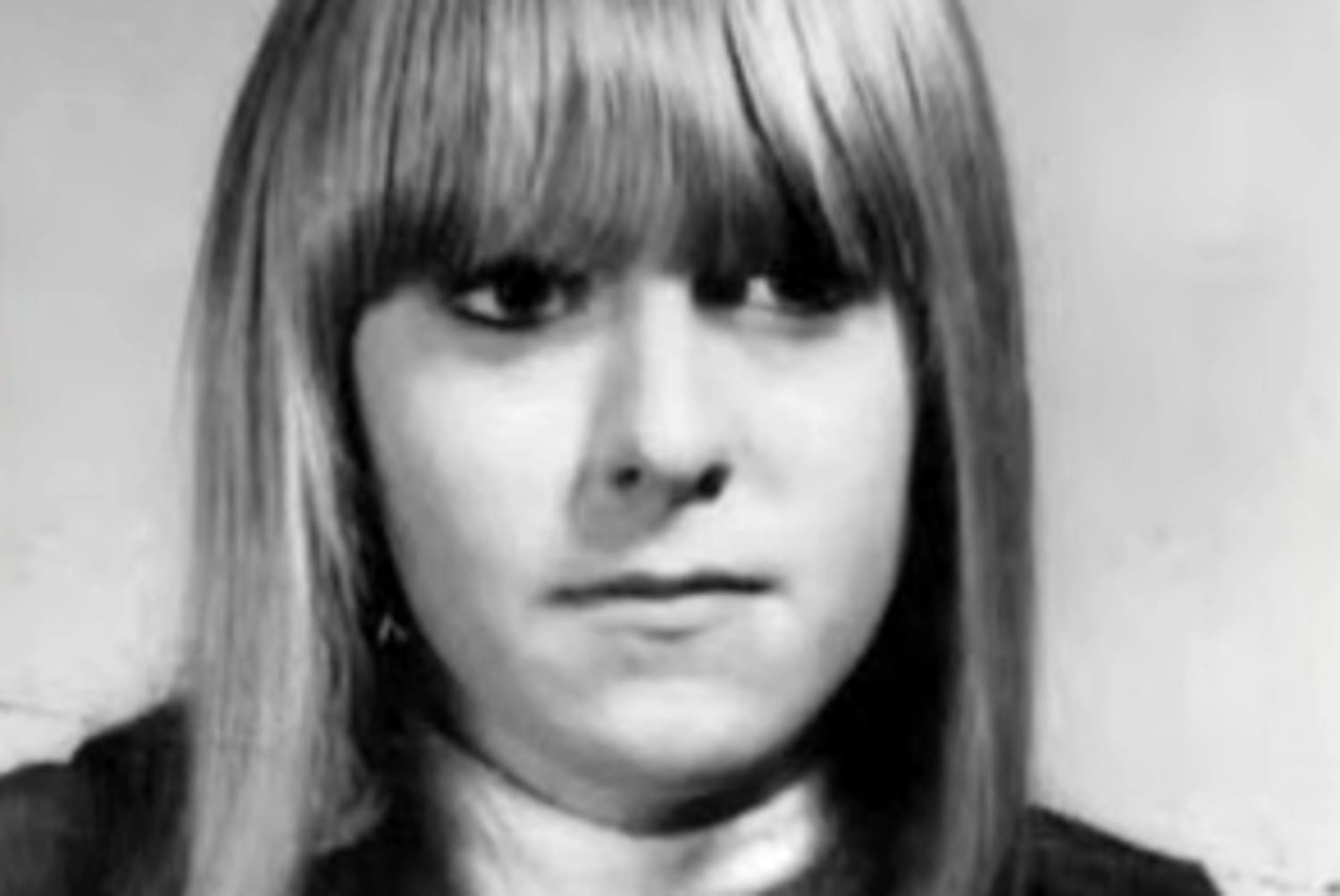
DNA Genealogy Identifies Killer in 1968 Teen Murder
Dunleavy was last seen leaving her job at a London convenience store on January 9, 1968. About 90 minutes later, three young people found her body on school grounds. She had suffered a head injury, and strangulation was determined to be the cause of death. She was 16.
The investigation at the time did not identify a suspect. Years later, investigators revisited the case using preserved evidence, advanced DNA testing and forensic genetic genealogy. A Texas-based laboratory used DNA to identify distant relatives, helping police build a family tree that led them to Moore.
Police said Moore was 25 when Dunleavy was killed and had moved to Canada from Ireland in 1967. Police pursued additional interviews, collected further material and secured DNA specimens to compare. Detective Mike Budzyn said police were confident the evidence would have supported criminal charges if Moore were alive.
Dunleavy’s family thanked investigators and said they hoped the techniques could help resolve other cold cases. Authorities said naming Moore offers a dependable historical account and addresses questions raised by the family and community. Authorities have not identified a motive or established a possible connection between Moore and Dunleavy.
Reported by CBS News, NBC News.