USDA Rule Changes Leave Rural Energy Applicants in Limbo
Veronica McFadden says a freeze on federal rural energy grants and a later change to application rules cost her Iowa consulting business its expected revenue and forced her to lay off all five employees. She launched her Sun Grants Consulting firm in 2023 to assist farmers and countryside businesses seeking funds through the Rural Energy for America Program, which Congress established in 2002 to support renewable energy and efficiency projects.
USDA’s Rural Energy Rule Changes Hurt Farmers and Small Businesses
The Agriculture Department’s changes to the Rural Energy for America Program have put farmers’ investments and rural businesses at risk, Iowa consultant Veronica McFadden said on November 22. She said the March freeze on pending applications erased expected revenue for her firm, Sun Grants Consulting, forcing her to lay off its five employees.
McFadden said 57 clients’ applications were caught in the freeze, representing more than $22 million in proposed investments and more than $9 million in grants. In October, USDA changed the rules so most applicants must finish projects, pay their costs and document a year of energy production or savings before applying. That shifts the risk onto businesses that may not be able to front the money or wait for a decision.
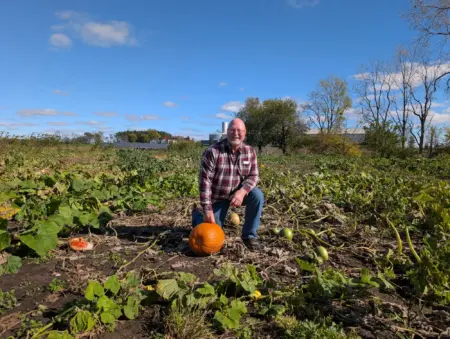
Michigan dairy farmer Ron Rusk invested roughly $86,000 in solar gear after submitting an application under the previous requirements. The freeze left his application pending, and the new rule terminated it. McFadden also cited an estimate that each REAP grant dollar generates $8.72 in project spending, supporting contractors and other rural businesses.
The changes are especially striking because most of the awards—about two in every three—went to constituencies currently represented by Republicans, with 18 of the 20 districts receiving the most grants held by Republicans. USDA says it is ending renewable-energy handouts and protecting farmland; its own study reported that solar and wind facilities covered under 0.05% of American farmland in 2020. McFadden argues the new rule conflicts with Congress’s direction to promote rural renewable energy. A September lawsuit involving the Iowa Farmers Union and Iowa Solar Energy Trade Association seeks to reverse the department’s measures.
USDA Tightens Rural Grant Rules Amid Questions Over Solar Subsidies
USDA’s revised rules for rural energy grants put applicants’ projects ahead of federal awards, a change Iowa consultant Veronica McFadden criticized on November 22. The department paused pending applications in March and issued new eligibility requirements in October, including a requirement that most applicants complete projects and document a year of energy production or savings before applying.
The changes affect McFadden’s Sun Grants Consulting, which she launched in 2023 to help farmers and rural businesses seek funds through the Rural Energy for America Program. She said 57 client applications were caught in the freeze, accounting for more than $22 million in proposed investments and more than $9 million in potential grants. Her firm receives compensation only if clients secure awards, she said, and the lost revenue forced her to lay off all five employees.
The dispute is about how federal support for renewable energy should work. USDA has described its effort as ending taxpayer handouts and protecting farmland. McFadden counters that farmers may be unable to risk paying project costs long before knowing whether they will receive a grant. She cites a USDA finding that wind and solar facilities covered less than 0.05% of American farmland in 2020, while the department’s October announcement included $8 billion in assistance for farmers facing higher fuel costs.
McFadden says the rule may conflict with Congress’s instruction to foster clean energy and efficiency among rural enterprises. A September lawsuit involving the Iowa Farmers Union and Iowa Solar Energy Trade Association seeks to reverse the department’s anti-solar measures. Her account also highlights that roughly two out of three REAP awards flowed to constituencies currently represented by Republicans, including 18 of the 20 districts receiving the most grants.
Reported by Fortune, Raw Story.