Soboroff Links DOGE and Climate Change to Palisades Fire
Jacob Soboroff, an MS NOW anchor and author of Firestorm, discussed the Palisades Fire on Bill Maher’s program after a man was found guilty of federal charges for deliberately starting the blaze. Soboroff said he had missed the news of the verdict, then argued that DOGE was connected to the fire and that climate change belonged in the broader discussion.
The fire in Los Angeles’ Pacific Palisades neighborhood began on January 7, 2025. DOGE was established later that month, after the fire had started. Soboroff has also argued that DOGE affected the fire’s aftermath and disaster planning and recovery more broadly.
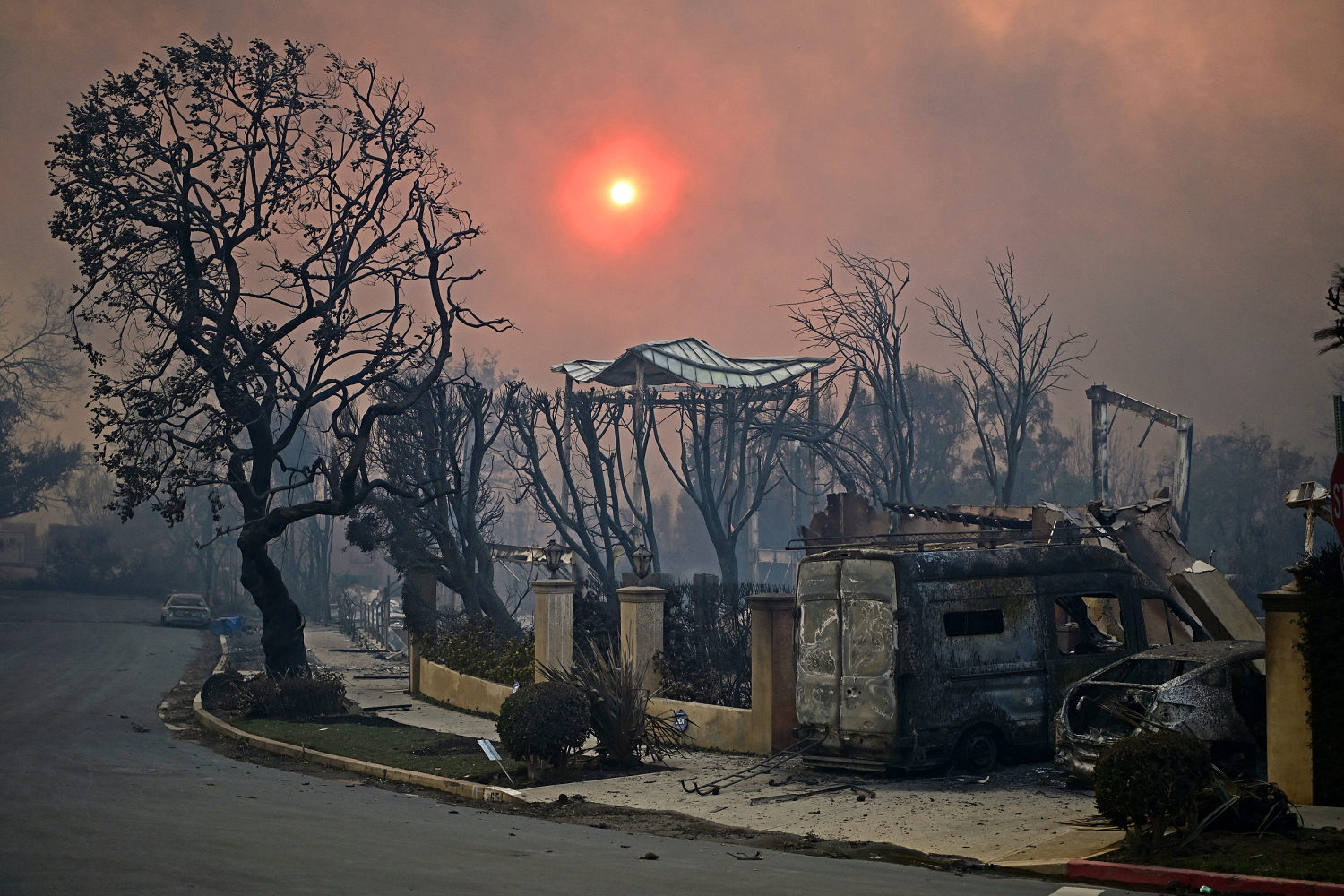
The fire killed 12 people and destroyed nearly 7,000 homes and businesses. A separate fire had started on New Year’s Day; it was later reignited, with Santa Ana winds helping spread the blaze.
Soboroff’s comments drew criticism from people who said DOGE could not have caused a fire that began before the department was established. Critics also pointed to California and Los Angeles officials’ responsibility for fire response and preparation. In a post after the interview, Soboroff reiterated that DOGE had affected the aftermath and planning for other disasters.
Palisades Fire Debate Must Include Climate and Disaster Readiness
The guilty verdict against a man who deliberately started the Palisades Fire does not end the questions raised by the disaster, Jacob Soboroff argued on Bill Maher’s program. The MS NOW anchor and Firestorm author said DOGE was connected to the fire and that climate change was part of the wider conversation.
The fire began on January 7, 2025, before DOGE was established later that month. Soboroff has made a more specific case about the aftermath, saying DOGE affected recovery and planning for other disasters. That distinction matters: the debate is not only about what sparked the flames, but also about how governments prepare for and respond to catastrophic fires.
The blaze killed 12 people and destroyed nearly 7,000 homes and businesses in Pacific Palisades. A separate fire began on New Year’s Day and later reignited; Santa Ana winds helped spread the Palisades blaze.
Critics have focused on the timing of DOGE’s creation to dismiss Soboroff’s argument. But that chronology does not address his claim about the aftermath and disaster planning. The fire’s scale and the questions around readiness make those issues part of the public discussion, alongside the arson verdict.
DOGE Could Not Have Started a Fire That Came Before It
The Palisades Fire began on January 7, 2025. DOGE was established later that month. That timeline sharply undercuts any suggestion that the department caused the fire, and it became a focus of criticism after MS NOW anchor Jacob Soboroff raised DOGE and climate change on Bill Maher’s program.
Soboroff, author of Firestorm, said he had missed the report of a man’s federal conviction for deliberately starting the blaze. He then said DOGE was connected to it. He has also argued that DOGE affected the fire’s aftermath and planning and recovery for other disasters, but that is a separate claim from responsibility for starting the January fire.
The fire killed 12 people and destroyed nearly 7,000 homes and businesses. A separate fire had begun on New Year’s Day and later reignited, while Santa Ana winds helped spread the Palisades blaze.
Critics say the focus on DOGE and climate change diverts attention from California and Los Angeles officials’ role in preparing for and responding to the disaster. The arson conviction establishes that a man deliberately started the fire; it does not make a department established afterward its cause.
Reported by Twitchy, PJ Media.