U.S. Hyperscale Data Centers Emit Denmark’s Annual Carbon Total
The 403 largest U.S. data centers studied consumed an estimated 68 to 99 terawatt-hours of electricity in the year through April 2025, about 1.8% of the country’s total power use. Their estimated emissions—25.7 million metric tons of carbon dioxide—were comparable to Denmark’s annual total, the research published in Nature Sustainability found.
More than half of the electricity serving the facilities came from fossil fuels. The study estimated that hyperscale data center emissions were two to three times higher than in 2018. Facilities in Virginia, Oregon, Ohio and Iowa accounted for more than half of the energy use in the study.
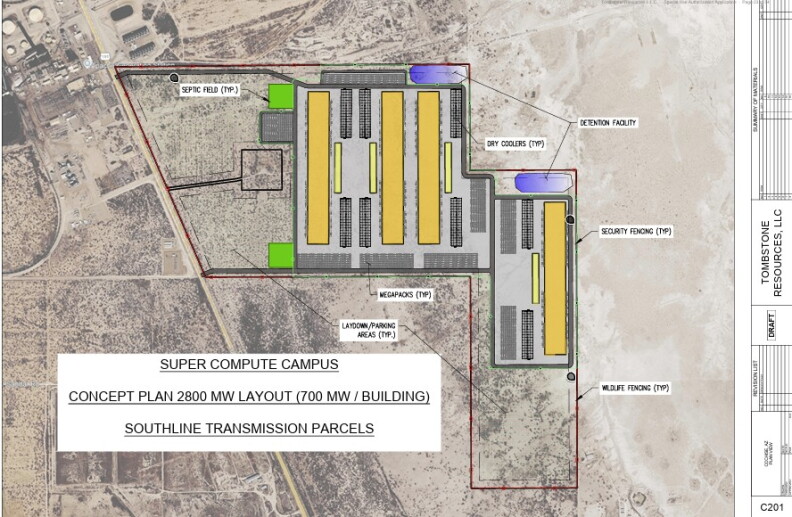
The researchers assembled a list of operating facilities and estimated their electricity use and emissions using industry information, satellite data and regional power-generation mixes. The results may understate the industry’s current footprint: the data cover a period ending in April 2025, and the buildout has continued since then. The average facility in the study used 40 megawatts, while some campuses now under development are planned at hundreds or thousands of megawatts.
The estimates also leave out power plants built onsite to serve data centers. The U.S. Energy Information Administration has completed pilot surveys in 10 states and is using them to design a possible voluntary survey of the sector. Better tracking could help researchers and the public assess the power demand as the industry expands.
Data Center Boom Drives Major Fossil-Fuel Emissions
The rapid expansion of U.S. data centers is carrying a substantial climate cost. A study published in Nature Sustainability estimates that 403 hyperscale facilities emitted 25.7 million metric tons of carbon dioxide in the year through April 2025—roughly Denmark’s annual total—and used as much as 99 terawatt-hours of electricity.
More than half of the power came from fossil fuels, and emissions were two to three times higher than in 2018. The findings cover only the largest facilities and may already understate the industry’s impact, since construction has accelerated and some new campuses are planned at far greater scale than the average facility in the study.
The estimates also exclude power plants built directly to serve data centers, a growing part of proposed projects. That omission makes public scrutiny and reliable tracking especially important as electricity demand rises. Federal agencies have not routinely separated data center consumption from other power use, though the Energy Information Administration has completed pilot surveys in 10 states and is considering a voluntary sector survey.
The study’s findings sharpen the stakes of the AI buildout: its energy demands are being met largely with polluting sources, while communities and policymakers are left to weigh the costs. Any responsible expansion must confront those emissions rather than treat them as an incidental consequence of technological growth.
Data Center Study Raises Questions About Energy and Growth
A new study puts a striking number on the energy footprint of America’s largest data centers: 403 facilities used an estimated 68 to 99 terawatt-hours of electricity in the year through April 2025. Their emissions were estimated at 25.7 million metric tons of carbon dioxide, comparable to Denmark’s annual total.
The figures deserve attention, but they also describe an industry that is changing quickly. The study’s average facility used 40 megawatts, while some projects now being developed are far larger. Its estimates do not include power plants built onsite, and the researchers say the period studied may not capture the latest expansion.
Data centers support the growth of AI, and developers have argued that the facilities bring jobs and tax revenue to communities. The study’s findings nevertheless raise practical questions about how to meet the demand: more than half of the electricity serving the facilities came from fossil fuels, while proposed onsite generation may rely on natural gas.
Federal energy agencies have not routinely tracked data center use separately. The Energy Information Administration has completed pilot surveys in 10 states and is using them to shape a possible voluntary survey. Better data would give policymakers and the public a firmer basis for evaluating the costs and benefits of further expansion, rather than relying on estimates as the industry grows.
Reported by Wired, The Guardian.