Supreme Court Leaves Maryland Gun Restrictions in Place
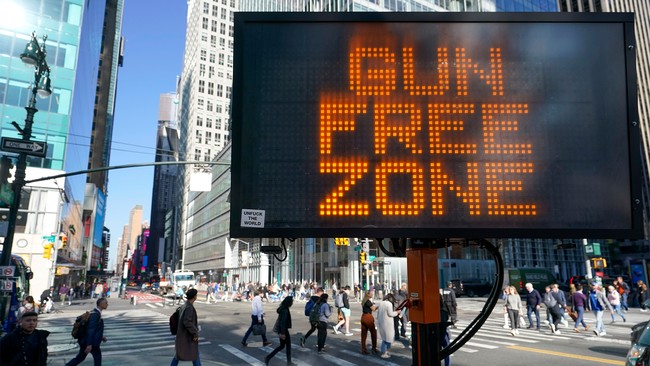
The Supreme Court declined to take up a challenge brought by Maryland residents and gun rights groups, leaving in place a lower court ruling that upheld the state’s restrictions on carrying firearms in a range of public locations. The laws cover places including schools, parks, public transit, health care facilities, government buildings and entertainment venues.
The challenged restrictions include measures enacted in 2023 after the court recognized a constitutional right to carry firearms outside the home. Maryland also bars guns at public demonstrations and in places where alcohol is sold for consumption. A lower court initially blocked some restrictions, including those on demonstrations and alcohol-serving venues, but the 4th U.S. Circuit Court of Appeals later upheld all the challenged rules.
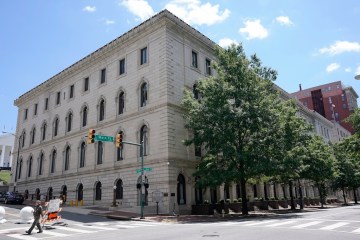
The appeals court applied the Supreme Court’s test requiring gun regulations to align with the nation’s historical tradition. It also cited earlier Supreme Court decisions recognizing that firearms may be prohibited in places such as schools and government buildings.
The challengers said the court should clarify where states may draw the line, arguing that Maryland’s restrictions sweep too broadly across public life. Attorney General Anthony Brown argued that the laws fit historical traditions of restricting guns in certain locations. Justice Clarence Thomas agreed with declining review because the challenge covered many separate provisions, but expressed skepticism about whether the restrictions are lawful and indicated a narrower case could be considered later.
Supreme Court Keeps Maryland’s Public-Safety Gun Limits in Force
Maryland’s rules limiting firearms in sensitive public places remain in effect after the Supreme Court declined to hear a challenge from residents and gun rights groups. The restrictions cover locations including schools, parks, public transit, health care facilities, government buildings and entertainment venues.
The state enacted some of the challenged measures in 2023, following the Supreme Court’s recognition of a right to carry guns outside the home. Maryland argued that its rules reflect a longstanding American tradition of restricting firearms in certain places. The 4th U.S. Circuit Court of Appeals agreed, applying the Supreme Court’s historical-tradition test and citing earlier rulings on schools and government buildings.
The challengers sought a broader intervention, arguing the court should define the limits of the sensitive-place category. But the lower court ruling leaves Maryland’s restrictions intact. Justice Clarence Thomas said the challenge’s many distinct provisions made review more difficult, while also expressing skepticism about the laws’ legality and openness to a more focused case.
The decision preserves the state’s approach while leaving lower courts to continue applying the historical test to modern public settings.
Supreme Court Passes on Broad Challenge to Maryland Gun Bans
Maryland’s sweeping limits on where residents may carry firearms remain in place after the Supreme Court declined to review a challenge from gun owners and advocacy groups. The restrictions cover schools, parks, transit, health care facilities, government buildings and entertainment venues.
The challengers argued that the state has extended sensitive-place bans too far into ordinary public life and asked the court to clarify the boundaries of the right to carry guns outside the home. The 4th U.S. Circuit Court of Appeals upheld the restrictions under the Supreme Court’s historical-tradition test, while the Supreme Court’s refusal leaves that ruling standing.
Justice Clarence Thomas said the case’s breadth complicated review, but expressed skepticism that Maryland’s provisions are lawful and suggested a narrower challenge could be more suitable. That signals the dispute over how far states can go in restricting public carry is unresolved, even as Maryland’s rules remain enforceable.
Maryland Attorney General Anthony Brown defended the laws as consistent with historical firearms regulation. The court’s decision does not settle the broader question raised by the challengers about which public locations can be designated sensitive places.
Reported by CBS News, NBC News, Newsweek.