Huang Scandal Puts Trump’s China Security Response Under Scrutiny
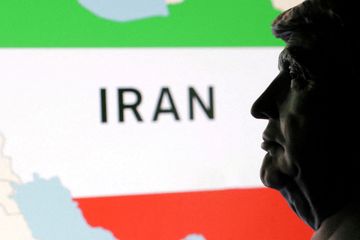
Huang left his post as Nvidia chief executive after reports of multiple affairs, including one with a woman U.S. officials had flagged as a possible Chinese intelligence asset. China has denied the reports, and Trump and Vice President JD Vance said it was unclear whether the woman was a spy.
The allegations have drawn attention because Nvidia’s chips are important to U.S. artificial intelligence development and are used in military applications. Democrats in Congress say they plan to examine whether the reported relationships created a security risk.
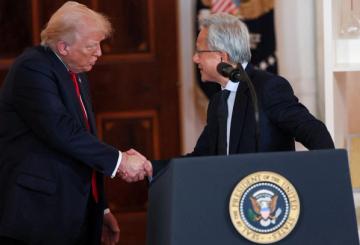
Trump called Huang an honorable man and said his departure was a “horrible thing.” He also backed the idea of Huang returning to Nvidia and said he had learned a lesson. The company’s board indicated it was not considering his return.
Trump said he had not heard of a briefing about Huang’s possible exposure. Secretary of State Marco Rubio reportedly raised the issue in a memo this May, and Trump was also reportedly briefed in October 2025. The accounts have raised questions about whether the president was informed and how the administration responded.
Trump has said he would not discuss the reported spying claims with China’s President Xi Jinping. His defense of Huang has been attributed to their relationship and to Nvidia’s importance to the U.S. technology industry. Huang donated to Trump’s White House ballroom project, including a $25 million contribution after an earlier $1 million donation at a Mar-a-Lago dinner. Nvidia’s importance to the economy and AI sector has also made the company’s crisis a concern beyond the allegations themselves.
Trump’s Defense of Huang Raises a National Security Alarm
The potential security risk surrounding Jensen Huang should be a priority for the White House. Instead, President Donald Trump has defended the former Nvidia chief, called him honorable and endorsed the possibility of his return, even as reports describe an affair with a woman U.S. officials suspected could be linked to Chinese intelligence.
Nvidia’s chips are central to America’s competition with China in AI and are used in military applications. Democrats in Congress say they intend to investigate whether the reported relationships compromised U.S. security. China denies the reports, and Trump and Vice President JD Vance have said it is not clear the woman was a spy.
Trump said he had not heard about a briefing on Huang’s possible exposure. Secretary of State Marco Rubio reportedly flagged the issue in a memo this May, after Trump was reportedly briefed in October 2025. If the president received warnings, his defense of Huang and refusal to raise the allegations with Xi demand scrutiny. If he did not, the questions about how the White House handled a potential threat are no less serious.
Trump’s personal ties to Huang are part of the picture: Huang donated to Trump’s ballroom project, including $25 million after an earlier $1 million donation at a Mar-a-Lago dinner. But the stakes are bigger than a friendship. Nvidia’s position in the AI sector and the U.S. economy makes a careful security response essential; a president’s instinct to protect an associate is no substitute.
Huang’s Fate Shows the Security Risks of Nvidia’s AI Dominance
The Huang controversy points to a real national security dilemma: Nvidia is so important to America’s AI ambitions that a crisis at the company could reach far beyond its boardroom. Its chips power military applications, and the company is a central force in the U.S. technology sector.
Former chief Jensen Huang left Nvidia after reports of multiple affairs, including one involving a woman U.S. officials suspected might be a Chinese intelligence asset. China denies the reports, and President Donald Trump and Vice President JD Vance said it was not clear the woman was a spy. Democrats in Congress plan to examine whether the alleged relationships created a security risk.
Trump has defended Huang, called him honorable and said a return to Nvidia was not a bad idea. The company’s board indicated it was not weighing his reinstatement. Trump also said he had not heard of a briefing about Huang’s possible exposure, despite reports that Secretary of State Marco Rubio raised the issue in a memo this May and that Trump was briefed in October 2025.
The case also highlights how much power rests with a small number of private technology leaders. Nvidia’s importance to AI, the economy and military applications makes the company difficult to separate from national strategy. That dependence is itself a vulnerability: security cannot rest on personal assurances, nor can the country treat a single company’s leadership crisis as merely a private matter.