Second Group of California Sea Turtle Hatchlings Reaches the Pacific
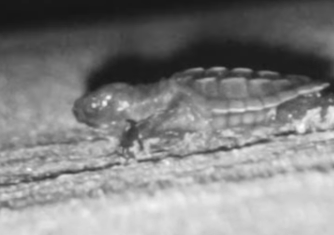
A group of 21 olive ridley sea turtle hatchlings entered the Pacific at Huntington Beach on November 15, less than two days after 54 hatchlings from a nearby nest were released at Seal Beach. Together, the two releases brought the number of California-born turtles returned to the ocean to 75.
The Huntington Beach hatchlings came from eggs laid on September 19. Aquarium of the Pacific staff incubated them at its Long Beach facility after the eggs were moved from the beach to protect them from high tides. The Seal Beach nest was laid on September 16, and its first hatchlings emerged after 58 days of incubation.
The aquarium said 50 eggs from the Seal Beach nest were still being kept in a temperature-regulated room on November 15 and could hatch in the coming days. Up to 87 eggs from the Huntington Beach nest might also remain, though the aquarium had not confirmed the number.
The September nests marked the earliest documented sea turtle nesting sites along the U.S. Pacific shoreline. Olive ridleys typically nest in tropical regions, including Mexico, Nicaragua, Costa Rica and Panama. A third nest, found in Ventura County on November 1, was not viable after cold sand and high tides affected it.
Researchers have linked the unusual nesting to warmer Southern California waters associated with an extreme marine heat wave and strong El Niño conditions. The aquarium has also cited other possible influences, including a tropical storm, the turtles’ expanding range and navigational mistakes. Researchers continue to ask the public to watch for additional nests. In the wild, as many as 90% of olive ridley eggs may hatch, but about 1% of hatchlings survive to adulthood.
Reported by Los Angeles Times, The Guardian.