Detroit Metro Flights Return to Normal After Nationwide Ground Stop
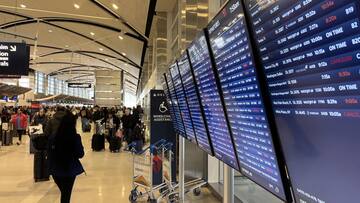
Detroit Metro’s flight schedule appeared close to normal on Monday, November 16, after a nationwide ground stop disrupted air travel on Friday. At 6 a.m., FlightAware listed 18 delayed flights and seven cancellations at the airport for Monday. Some passengers still encountered minor delays, including one traveler whose delay alert was reversed within minutes.
The stop lasted about four hours and was lifted around 8:15 p.m. Eastern time. It left travelers stranded and prompted some to switch to driving. Passengers at Detroit Metro said they had worried about Monday travel but were relieved that their trips were proceeding smoothly.
Federal authorities reported that a communications-system failure prompted safety worries and led to the ground stop. Transportation Secretary Sean Duffy described problems with aging air traffic control equipment, saying switches and routers began providing inconsistent data after being overloaded. Homeland security chief Markwayne Mullin said members of the public faced no danger and investigators had found no indication of a cyberattack or other malicious activity.
Duffy has called on Congress to provide more funding for critical aviation equipment. Top Democrats on two House committees involved in aviation are set to hear from officials from the Federal Aviation Administration and the Transportation Department. On Sunday, Duffy said delays could continue but expected the system to be at full capacity by Monday.
Aviation Outage Puts Aging Air Traffic Systems Under Scrutiny
Friday’s four-hour ground stop disrupted travel nationwide, leaving passengers stranded and thousands of flights canceled. Detroit Metro was largely back on schedule by Monday, November 16, though FlightAware listed 18 delays and seven cancellations there at 6 a.m. Some travelers still received brief delay alerts.
Federal authorities reported that a communications-system failure created safety concerns. Transportation Secretary Sean Duffy said aging air traffic control switches and routers began producing inconsistent data after being overloaded. That account makes the condition of critical aviation equipment a central issue, not just the short-lived disruption.
Duffy is urging Congress to provide more funding for aviation equipment. Top Democrats on two House committees are set to hear from FAA and Transportation Department officials. That scrutiny matters as lawmakers consider the response to an outage that affected travelers across the country. Markwayne Mullin, the homeland security chief, said people faced no danger and officials found no evidence of a cyberattack.
Four-Hour Ground Stop Exposes Need to Upgrade Air Traffic Equipment
A telecommunications outage disrupted flights nationwide on Friday, prompting a ground stop that lasted about four hours. Detroit Metro was largely operating normally by Monday, November 16, with 18 delays and seven cancellations listed at 6 a.m. Some passengers saw minor delays, but one alert was reversed within minutes.
Transportation Secretary Sean Duffy said aging air traffic control switches and routers began returning inconsistent data after being overloaded. The episode underscores the importance of keeping essential aviation equipment reliable. Duffy has called on Congress to provide more funding for critical systems.
Top Democrats on two House committees are set to hear from FAA and Transportation Department officials. Their inquiry should focus on the outage and the equipment needed to prevent disruptions, while travelers who faced canceled flights and sudden changes deserve clear answers. Homeland security chief Markwayne Mullin said people faced no danger and officials found no evidence of a cyberattack or malicious activity.
Reported by CBS Detroit, WXYZ Detroit.