New International Student Enrollment Falls 15% at U.S. Colleges
The decline marks a second consecutive year of double-digit drops: new international enrollment fell 18% in fall 2025. Overall international enrollment was down 9% this fall, after a 3% decrease last year. The latest figures draw on responses from more than 800 U.S. colleges and universities; the United States still had more than 1 million international students last school year and remained their leading destination worldwide.
Higher education leaders and international education groups have pointed to visa restrictions, the cost of U.S. degrees and competition from other countries. The Trump administration has imposed restrictions affecting international students and proposed a four-year limit on their duration of status, which a federal judge has temporarily blocked. The Department of Homeland Security has also proposed a $70,000 fee tied to international students working in their field during or after their studies through the Optional Practical Training program.
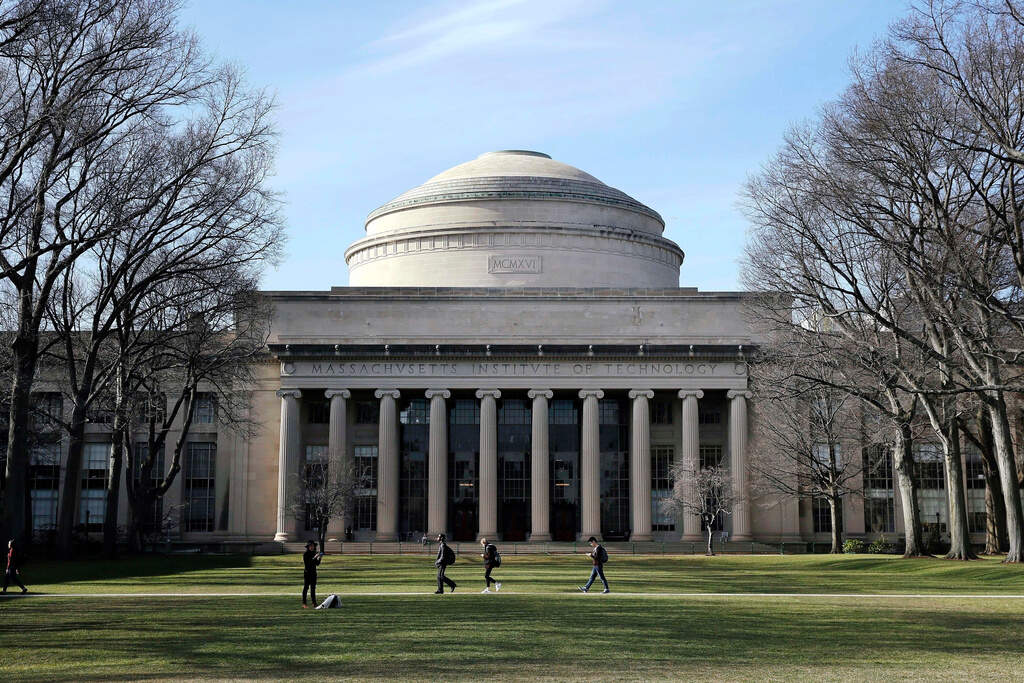
The impact varies by degree level. Graduate enrollment fell 13% last year, with master’s students driving much of the decline. This fall, Ohio State’s international enrollment dropped 13%, while Michigan State’s fell 10%. Northeastern, which has the largest international student population in Massachusetts, reported a 13% decline. At MIT, 88 fewer international graduate students enrolled, putting the total below 2,900.
The changes carry financial and academic consequences for universities, which often rely on international students’ tuition. NAFSA estimates that foreign students in Massachusetts sustain over 26,000 jobs and add $3.3 billion to the state economy. Boston University has opposed the proposed OPT fee, saying it could cost the institution more than $175 million annually. The department may revise the proposal after public comments, while NAFSA’s Fanta Aw said a final rule would face a court challenge. Community colleges were an exception to the broader enrollment decline, with international enrollment up 3% last year.
Visa Restrictions Are Driving Students From U.S. Campuses
A second straight double-digit drop in new international student enrollment is a warning about the consequences of making the United States harder to enter and stay in. New enrollment fell 15% this fall after an 18% decline in 2025; overall international enrollment dropped 9% this fall.
The Trump administration’s restrictions, including student visa terminations and a proposed four-year limit on students’ duration of status, have added to uncertainty. A federal judge has temporarily blocked the proposed limit. The Department of Homeland Security has also proposed a $70,000 fee tied to Optional Practical Training, which lets international students work in their field during or after study. NAFSA’s Fanta Aw has said that work experience is an important reason students choose the United States.
Universities are already seeing the consequences. MIT enrolled 88 fewer international graduate students this fall, and Northeastern’s international enrollment fell 13%. At Ohio State, international enrollment declined 13%, even as overall enrollment grew. These students contribute tuition that universities use to support their finances, and Ohio State President Ravi V. Bellamkonda has said their departure also affects the wider economy and the country’s ability to retain talented people.
The stakes extend beyond campuses. NAFSA estimates that foreign students in Massachusetts sustain over 26,000 jobs and add $3.3 billion to the state economy. Boston University has warned that the proposed OPT fee could cost it more than $175 million a year and put the program beyond many students’ reach. DHS may revise the proposal after public comments; Aw said a final rule would be challenged in court. Restrictive policies risk sending students and their contributions to other countries instead.
Costly Degrees and Global Competition Also Push Students Away
The fall in international enrollment is real, but blaming it solely on immigration policy overlooks the costs and competition facing U.S. colleges. New international enrollment fell 15% this fall, following an 18% drop in 2025, while overall enrollment declined 9%. The United States nevertheless continued to attract more international students than any other country, hosting over 1 million during the previous academic year.
International students often pay full tuition, and NAFSA’s Fanta Aw has described U.S. higher education as among the world’s most expensive. Students also have more choices outside the United States. Researchers have cited global competition, degree costs and visa policies as factors in the declines. Graduate enrollment fell 13% last year, driven especially by fewer students pursuing master’s degrees.
Federal rules are part of the uncertainty. The Trump administration has imposed restrictions affecting international students and proposed a four-year cap on duration of status, temporarily blocked by a federal judge. Homeland Security has proposed a $70,000 fee tied to Optional Practical Training. But the enrollment picture also differs by institution and program: Boston University said undergraduate enrollment from abroad remained strong and stable even as graduate enrollment softened, and community college international enrollment rose 3% last year.
Universities have financial reasons to recruit international students, whose tuition can help subsidize costs for domestic students. Yet the proposed OPT fee could impose more than $175 million in annual costs on Boston University, the institution said in opposing the plan. DHS may revise it after public feedback. The broader challenge is to keep U.S. degrees attractive while colleges confront high costs and competition from other destinations.
Reported by WBUR, The Philadelphia Inquirer.