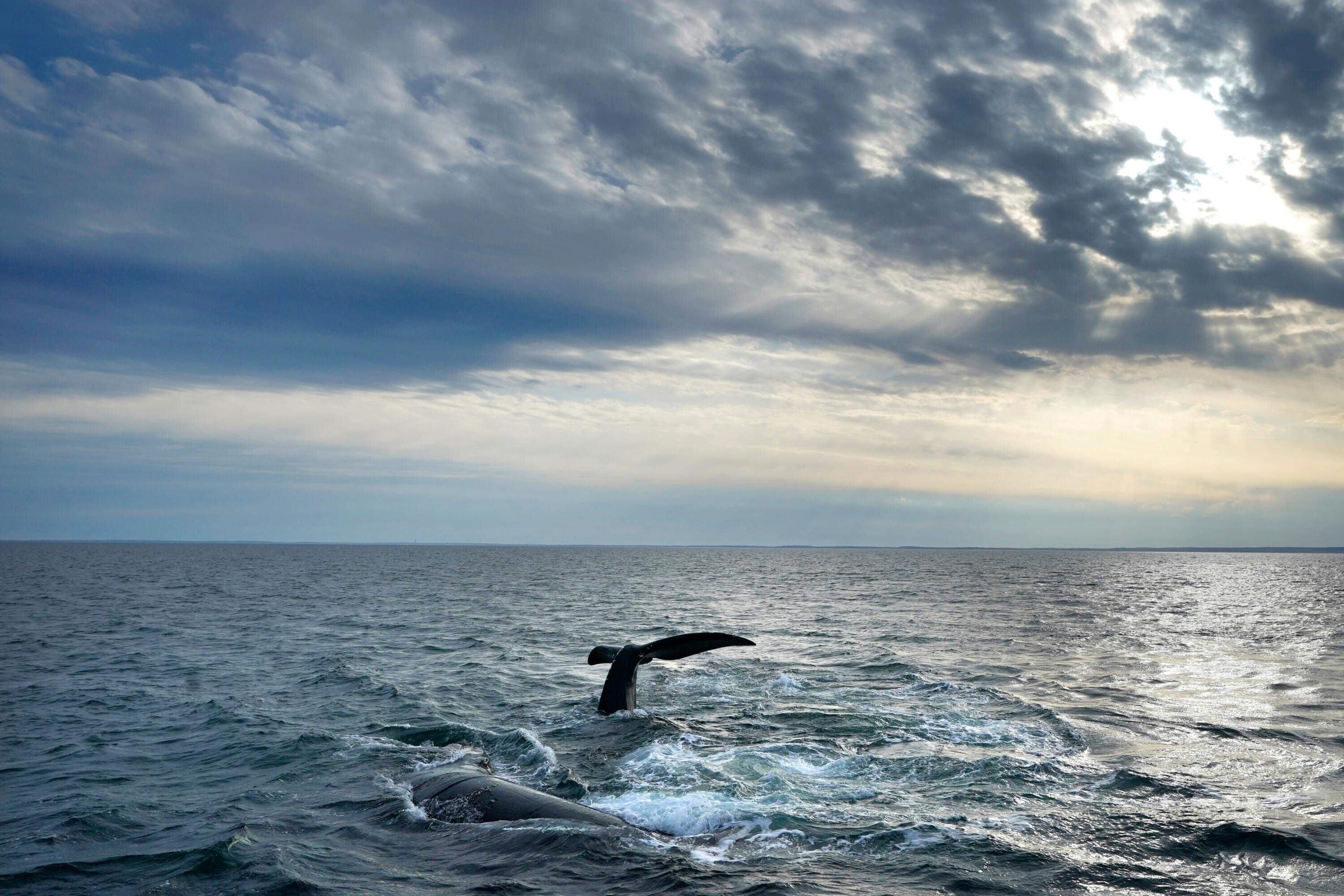
North Atlantic Right Whale Population Slips to 382
The estimated North Atlantic right whale population fell to 382 in 2025, a decline of about 2% from the revised estimate of 389 for 2024. The consortium’s annual estimate, released on November 16, follows several years of gradual growth. It carries a margin of error of 11 animals, and scientists cautioned that the overall trend matters more than the small year-to-year change.
Researchers say ship strikes and entanglement in fishing gear remain serious threats. Warming oceans are also shifting the tiny organisms the whales feed on, drawing them into areas where protections from those hazards may not apply. The population fell about 25% between 2010 and 2020, when poor reproduction coincided with high mortality.
The number of reproductive females remained at 73, a level scientists describe as dangerously low. Two right whale deaths have been documented so far in 2026, along with eight human-caused injuries: seven entanglements and one vessel strike. Even entanglements that do not kill a whale can harm its health and ability to reproduce.
There are some signs of hope. The 2025-2026 calving season produced 24 calves, the most since 2009, including three born to first-time mothers. Scientists say the calves will need to survive to adulthood and reproduce for the population to recover.
The population estimate comes as federal protections are under debate. The Trump administration has put forward revisions that could reduce how firmly agencies apply the Endangered Species Act, and the House passed a bill to delay some right whale protections for several years. Environmental groups oppose delaying protections, while commercial fishing representatives have argued against tighter restrictions.
Declining Whale Numbers Underscore the Cost of Delayed Protections
The North Atlantic right whale population has slipped to 382, down from 389 in 2024, reversing recent gradual growth. The estimate released on November 16 is a warning that a critically endangered species remains in danger while ship strikes and fishing-gear entanglements continue to cause injuries and deaths.
The scale of the risk is clear: only 73 reproductive females remain. Two whales have died in 2026 so far, and eight others have documented human-caused injuries, including seven entanglements and a vessel strike. Scientists warn that even nonfatal entanglements can undermine a whale’s health and ability to reproduce.
Warming oceans are shifting the whales’ food and can lead them into areas without protections from ship strikes and entanglements. The population already fell about 25% between 2010 and 2020. A single year of modest growth cannot substitute for sustained recovery and protections across the whales’ range.
Yet the House has passed a bill to delay some right whale safeguards for several years, and the Trump administration has advanced revisions that could reduce how firmly agencies apply the Endangered Species Act. Those moves put commercial fishing interests ahead of measures environmental groups say are needed to keep the species from sliding toward extinction.
The 24 calves born during the 2025-2026 season, the most since 2009, offer hope. But those young whales must survive and reproduce. With so few breeding females and ongoing human-caused harm, delaying protections risks squandering that progress.
Whale Estimate Drops as Regulators Press Ahead With Fishing Limits
The North Atlantic right whale population estimate declined from 389 to 382 in 2025, but the latest figures also include a strong calving season: 24 births, the most since 2009. The November 16 estimate has a margin of error of 11 animals, and scientists say the broader trend—not the small annual shift—is the concern.
The debate over how to protect the whales has real consequences for commercial fishing. Fishing groups have pushed back against tighter restrictions, and Massachusetts lobster representatives say the state has had no right whale death attributed to its commercial lobster gear. They hope recent recovery gains will continue.
The House has passed a bill delaying some right whale protections for several years, a measure intended to shield commercial fishing interests from regulations described by industry members as burdensome. Environmental groups oppose the delay, arguing that the population cannot recover if it remains exposed to entanglements and ship strikes.
The danger is serious: the species has only 73 reproductive females, and two whales have died in 2026 so far. Eight human-caused injuries have also been documented this year. At the same time, the population estimate is uncertain, and the recent birth count offers a hopeful sign.
Scientists say continued injuries and deaths threaten recovery, while fishing representatives point to existing restrictions and the absence of deaths attributed to Massachusetts lobster gear. The challenge is balancing whale protections with the burdens rules place on the fishing industry as the species’ future remains precarious.