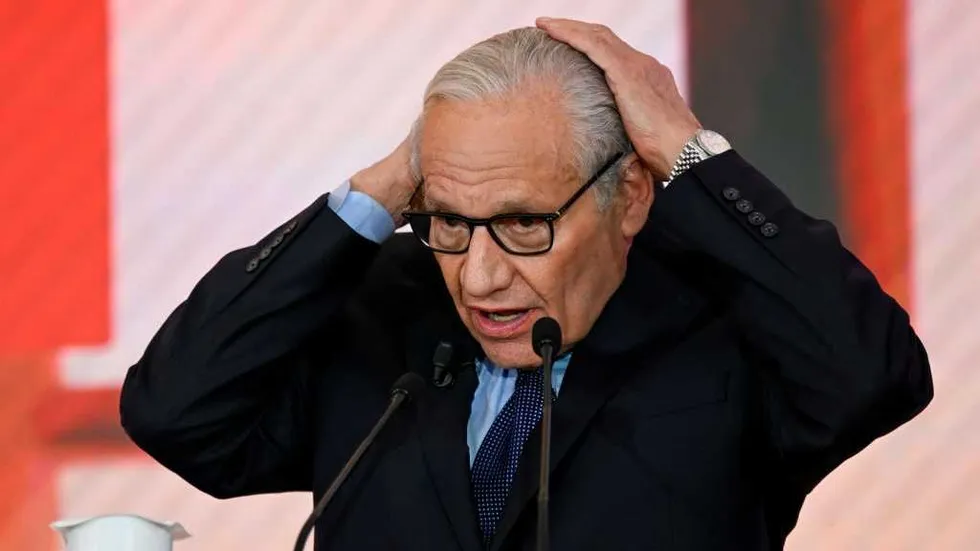
Woodward’s Memoir Reopens Questions About Source Trust
Bob Woodward’s forthcoming book about secrets from his reporting career has drawn scrutiny for identifying confidential sources, including people who have died. The disclosures have revived questions about what a promise of anonymity means and who gets to decide when it ends.
John D. O’Connor, who later represented W. Mark Felt, argues that Woodward’s account of Deep Throat in All the President’s Men included enough clues for readers to identify the senior FBI official. Felt, who helped Woodward report on Watergate, feared that leaks could damage the FBI’s reputation. O’Connor says the details exposed Felt to years of speculation and that Woodward’s portrayal served the reporter’s interests more than the source’s.
Felt disclosed his identity publicly in 2005, with his family’s support. O’Connor says the family wanted Felt to tell his story while he was able, rather than leave Woodward to reveal it after his death.
In an excerpt from his memoir, Woodward also describes a close friendship with Richard Darman, a senior official in the Reagan and George H. W. Bush administrations. Woodward says the access and information became so valuable that he did not want to lose the relationship. Their friendship ended after Woodward published stories about internal White House debates on Bush’s economic policies and Darman was linked to the disclosures.
The episode has been compared with former Athletic reporter Dianna Russini’s relationship with New England Patriots coach Mike Vrabel. Russini resigned after photographs of the pair prompted a scandal. A review found a standards violation but little evidence that the relationship affected her reporting. Woodward’s memoir has prompted renewed discussion of how intimacy with a source can compromise a journalist’s work and trust.
Reported by The Blaze, The Boston Globe.