Pakistan Seeks U.S.-Iran De-escalation and Afghan Action on Militancy
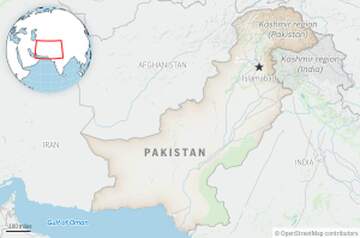
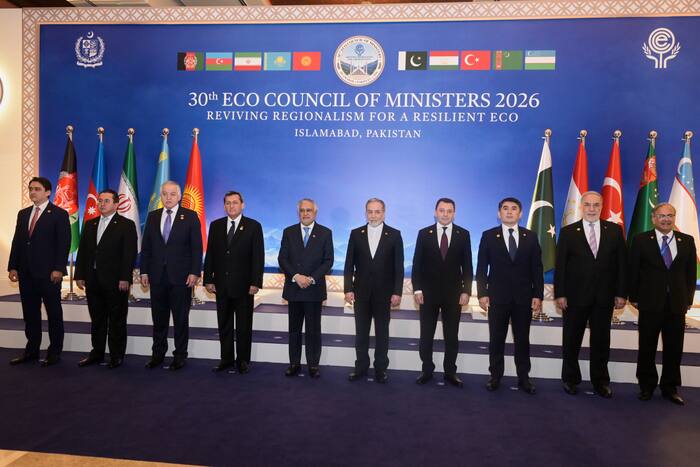
Pakistan will keep pursuing diplomacy between the United States and Iran, Foreign Minister Ishaq Dar said on November 16 at a meeting of the 10-member Economic Cooperation Organization in Islamabad. The gathering brought together foreign ministers and senior diplomats, including Iran’s Abbas Araghchi, to discuss regional cooperation and trade links.
Dar said Pakistan’s prime minister and army chief were in contact with regional countries and international partners to support a peaceful outcome. At the meeting’s close, he said Pakistan was awaiting a U.S. response to proposals from Iran based on the countries’ June interim agreement. Dar said U.S. officials’ focus on midterm elections had contributed to the delay. The two sides have each blamed the other for extending their dispute over the Strait of Hormuz, whose closure has driven up oil prices and hurt Pakistan’s economy.
Araghchi called on ECO members to turn cooperation into action and said Iran supported diplomacy and international law. He accused the United States of coercive measures and violations of international rules. Dar, in turn, said Pakistan was concerned about regional conflict disrupting trade, energy supplies and investment.
Dar also said closer relations with Afghanistan depended on its Taliban authorities addressing neighboring countries’ security concerns. Afghanistan was absent from the meeting, with its ECO membership suspended. Pakistan accuses the Taliban government of sheltering the Pakistani Taliban and other militant groups; Kabul denies supporting militants. The two countries have faced repeated border clashes and Pakistani airstrikes this year. Dar said a stable Afghanistan could benefit from regional trade and transit links.
Diplomacy Offers a Path Beyond Regional Escalation
Pakistan is pressing for dialogue as tensions over the Strait of Hormuz threaten trade, energy supplies and its own struggling economy. At an Economic Cooperation Organization meeting in Islamabad on November 16, Foreign Minister Ishaq Dar said Pakistan would continue efforts to ease U.S.-Iran tensions, with support from regional partners.
Dar said Pakistan was awaiting a U.S. response to Iranian proposals based on the June interim agreement. He said U.S. officials’ attention to midterm elections had held up a response. Iran and the United States have each accused the other of extending their dispute, while the waterway’s closure has pushed oil prices sharply higher.
Iranian Foreign Minister Abbas Araghchi called for stronger regional cooperation and defended diplomacy. Dar likewise warned that conflict disrupts trade routes, energy supplies and investment. Their statements underscore the stakes of keeping regional disputes from shutting down economic connections.
But Pakistan’s appeal for Afghan action comes amid repeated border clashes and Pakistani airstrikes. Dar said improved ties depended on the Taliban authorities addressing security concerns. Pakistan accuses them of sheltering militant groups, an allegation Kabul denies. Afghanistan was not represented at the meeting because its ECO membership is suspended. Dar said a peaceful, stable Afghanistan could take part in wider trade and transit cooperation.
Pakistan Puts Regional Security at the Center of Cooperation
Pakistan is making clear that regional economic cooperation cannot be separated from security. At an ECO meeting in Islamabad on November 16, Foreign Minister Ishaq Dar said closer ties with Afghanistan required its Taliban authorities to address neighboring countries’ concerns, especially terrorism.
Pakistan accuses the Afghan government of sheltering the Pakistani Taliban and other militant groups; Kabul denies the charge. The dispute has coincided with repeated border clashes and Pakistani airstrikes this year. Afghanistan was absent from the meeting, and its ECO membership remains suspended. Dar said a stable Afghanistan could benefit from trade and transit links, but meaningful progress requires action on security.
Dar also pledged to continue Pakistan’s diplomatic efforts to ease U.S.-Iran tensions. He said the country was waiting for Washington’s response to Iranian proposals tied to the June interim agreement, and blamed the delay on U.S. officials’ attention to midterm elections. Iran and the United States have each blamed the other for extending their dispute over the Strait of Hormuz.
The waterway’s closure has sharply raised oil prices and affected Pakistan’s economy. Dar warned that conflict harms trade, energy supplies and investment, making stability a practical requirement for regional development. Iranian Foreign Minister Abbas Araghchi also urged ECO members to strengthen cooperation, while accusing the United States of coercive actions.
Reported by ClickOnDetroit WDIV, KPRC 2 Click2Houston.