Lula’s Fourth Term Begins Amid Economic and Political Headwinds
November 16, 2026 — Lula’s unexpected victory leaves him with a divided country and a range of challenges as he prepares to govern Brazil for a fourth term. Bolsonaro rejected the election result without providing evidence of fraud, left for Miami and vowed to lead an opposition from the United States.
Investors reacted poorly to Bolsonaro’s defeat. The real fell 12% against the dollar the next day, and Brazil’s stock market dropped nearly 14% and had not recovered. Lula’s government has proposed saving as much as 60 billion reais by limiting tax breaks and capping spending; the plan is moving through Congress. Public debt rose from about 7.2 trillion reais in 2022 to 11.1 trillion this year. Analysts linked the increase to inflation and persistently high interest rates, while the cost of living left many dissatisfied despite record-low unemployment.
The Liberal Party won the largest blocs in both congressional chambers in October, shifting Congress further right. Bolsonaro’s allies want to seek the removal of Alexandre de Moraes from the Supreme Court; he led the investigation that resulted in Jair Bolsonaro’s 27-year prison sentence for attempting a coup. Rogério Marinho, Bolsonaro’s campaign coordinator, is seeking the Senate presidency.
Crime also remains a major concern. Homicides reached their lowest rate since 2012, but criminal groups have expanded across the country, including parts of the Amazon, and paramilitary-style militias have strengthened their hold in Rio and elsewhere. The Senate recently approved legislation to increase the government’s powers against gangs.
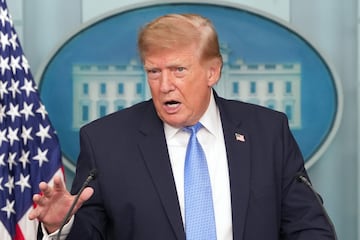
Lula must also navigate US-China tensions. US-Brazil ties worsened after the Trump administration imposed tariffs, while Brazil’s relationship with China deepened. Ana Garcia expects Bolsonaro allies to keep lobbying in Washington against Lula’s government, even as Democrats increase scrutiny of US policy abroad.
Lula’s Win Faces a Right-Wing Congress and US Pressure
November 16, 2026 — Brazil’s voters returned Lula to office, but the right’s gains in Congress threaten to constrain the government’s ability to act. The Liberal Party now holds the largest blocs in both chambers after October’s legislative elections, giving Bolsonaro’s allies tools to block proposals and challenge judicial authorities.
That opposition is already focused on impeaching Supreme Court Justice Alexandre de Moraes, who led the investigation that resulted in Jair Bolsonaro’s 27-year prison sentence for attempting a coup. Bolsonaro rejected Lula’s win without evidence of fraud, left for Miami and says he will lead opposition from the United States. Rogério Marinho, his campaign coordinator, is seeking the Senate presidency.
Lula also inherits the effects of US tariffs imposed during the Trump administration, which pushed Brazil-US relations to a low point as ties with China grew closer. Ana Garcia expects Bolsonaro’s allies to keep lobbying Trump administration allies against Lula’s government. Meanwhile, Democrats may scrutinize US policy abroad more closely; 31 Democratic lawmakers sent Secretary of State Marco Rubio a letter accusing the administration of an apparent effort to interfere in Brazil’s election.
The economic pressures are real, but Lula’s government has proposed saving up to 60 billion reais through limits on tax breaks and spending caps, and that plan is advancing in Congress. Investors reacted to his win with a 12% fall in the real and a nearly 14% stock-market decline. The challenge now is to address fiscal concerns without letting an increasingly right-wing legislature dictate the limits of the government’s agenda.
Lula Returns to Office With Fiscal Risks and a Strong Opposition
November 16, 2026 — Lula’s reelection does not erase the concerns that shaped the contest: high living costs, public safety and the direction of government spending. Many voters were dissatisfied with his first term, even as unemployment reached a record low, and investors had expected Bolsonaro to win after he led in the first round.
Markets delivered a sharp response to Lula’s victory. The real lost 12% against the dollar the next day, while stocks fell nearly 14% and had not recovered. Brazil’s public debt climbed from roughly 7.2 trillion reais in 2022 to 11.1 trillion this year. Analysts tied the debt growth to inflation and high interest rates. Lula’s government says it can save as much as 60 billion reais through cuts to tax breaks and spending caps, but the proposal still needs to move through Congress.
Voters also raised crime as a major concern. Although the homicide rate fell to its lowest level since 2012, drug gangs have spread across large areas, including parts of the Amazon, while paramilitary-style militias have consolidated control around Rio and across several other states. The Senate has approved legislation expanding the government’s authority to fight criminal groups.
October’s elections gave Bolsonaro’s Liberal Party the largest blocs in both houses, offering a check on Lula’s proposals. Its allies also want to impeach Justice Alexandre de Moraes, who led the investigation that resulted in Jair Bolsonaro’s 27-year sentence for attempting a coup. Lula’s government must now demonstrate that it can answer fiscal and security concerns while managing a Congress that has shifted further right.
Reported by The Philadelphia Inquirer, ABC News, Local 10 Miami.