Ramayana’s Global Gamble Brings Spectacle, AI Debate and Mixed Reviews
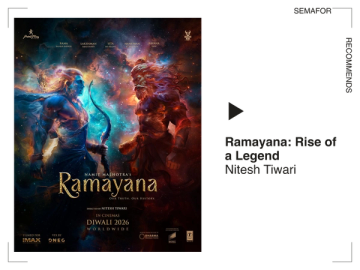
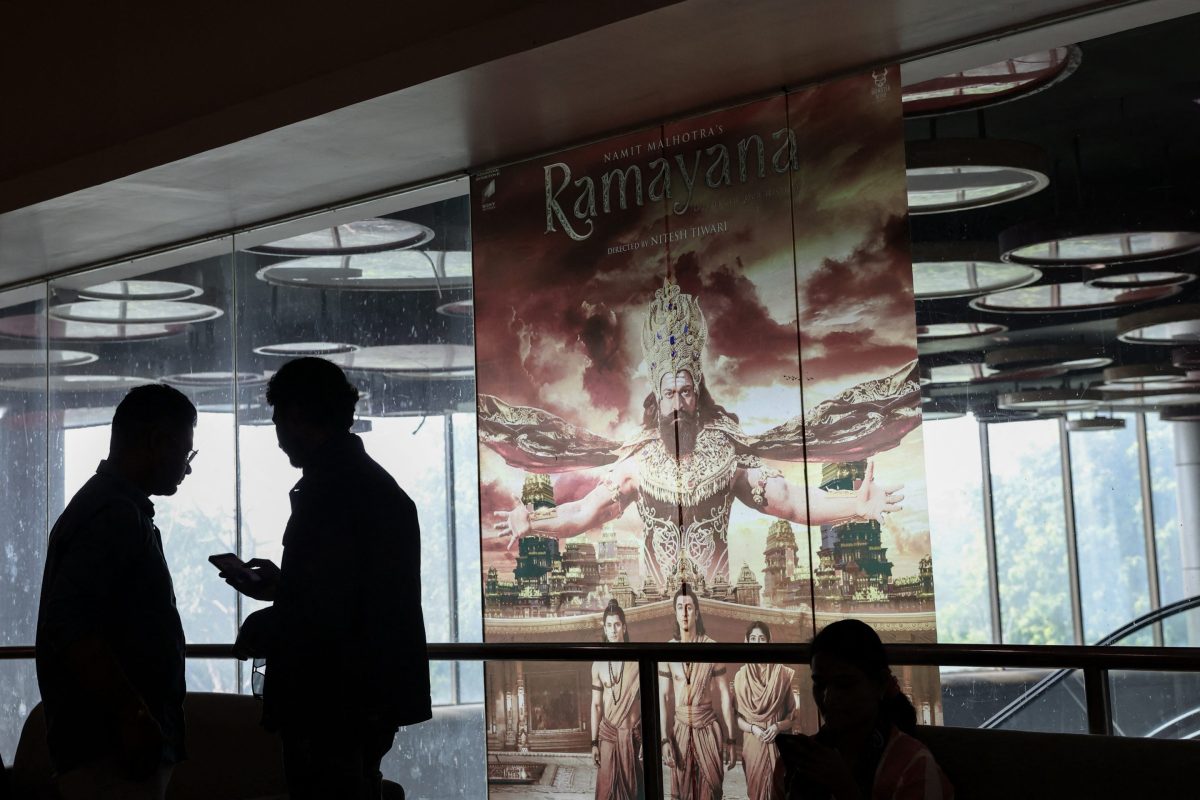
The first installment of Ramayana: Rise of a Legend, a retelling of the Hindu epic, opened globally on November 5, with a U.S. release the following day. The two-part production carries a reported budget of 40 billion rupees, or about $420 million, making it India’s most expensive film. It has taken in more than $100 million worldwide, including $67 million in India, and became the first Indian production to lead the British box-office charts.
The film’s international strategy includes two U.S. versions: a 195-minute Hindi cut with English subtitles, and a shorter English-dubbed edit that removes musical sequences and trims other scenes. Director Nitesh Tiwari said human performers recorded the dialogue and voices, while AI was used to adapt lip movements for localized versions. The film has been adapted for release in close to 40 languages.
Reviews have praised the production’s vivid visuals and performances, while faulting its pacing, dialogue and effects. One review favored the longer cut, arguing that the songs and expanded presentation make the spectacle more effective; it described the shorter version’s AI lip-sync as distracting. Rotten Tomatoes scores cited for the film stood at 77% from critics and 94% from audiences.
The story follows Prince Rama’s effort to rescue Sita from Ravana, and the first film ends before their conflict is resolved. Its second part is promised for Diwali 2028. The filmmakers’ bet is that the scale and familiar fantasy-adventure elements can carry a story rooted in Indian religious tradition to audiences across cultures.