Denver Democrats Begin Jockeying for 2028
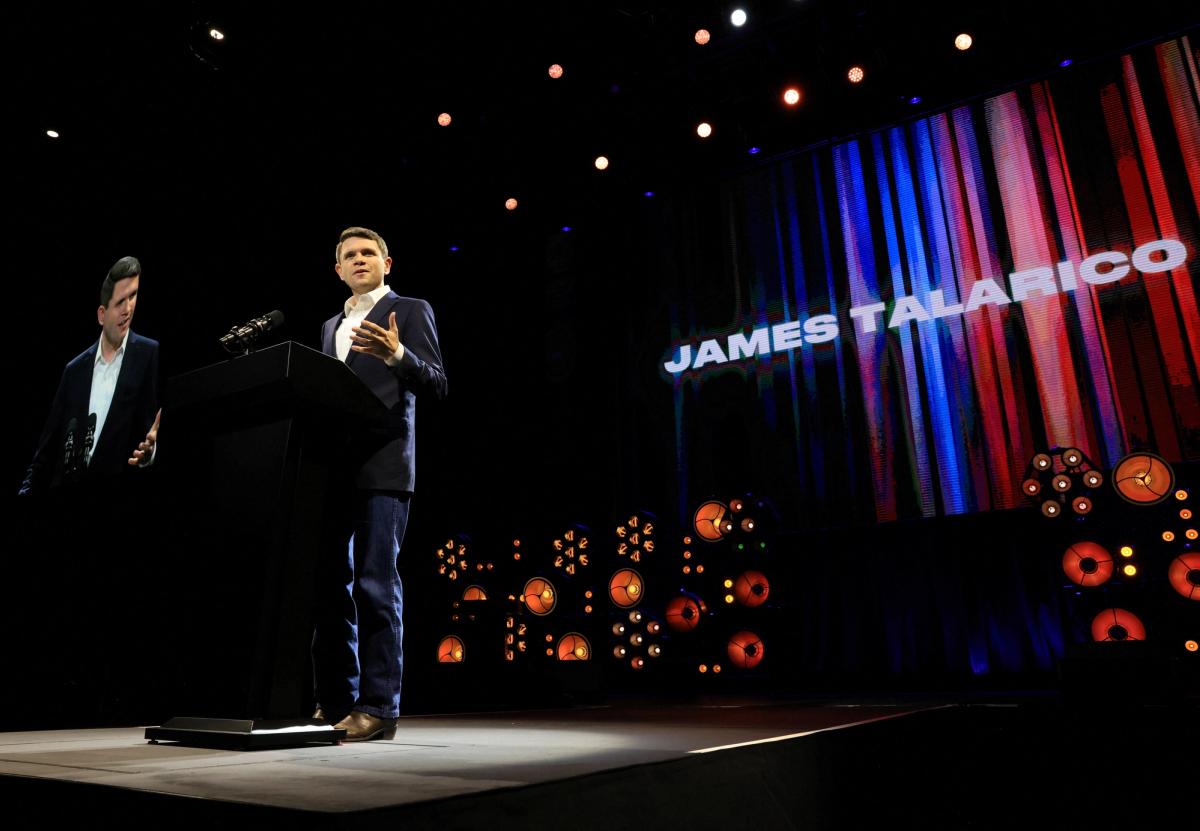
A two-day Democratic gathering in Denver paired live music and campaign-style displays with early maneuvering over the party’s next presidential contest. The event, called What’s Next, brought together party leaders, strategists and potential contenders after Democrats’ midterm gains, with attendees presenting an upbeat vision of what comes next.
Several speakers argued that Democrats should emphasize practical economic goals rather than divisions between moderates and progressives. Pennsylvania Gov. Josh Shapiro called for action instead of political litmus tests, while Michigan Sen. Elissa Slotkin said voters wanted more than marginal change. Pete Buttigieg cautioned that cost-cutting, family-focused proposals could sound appealing to everyone without setting Democrats apart.
The conference reflected a two-year effort by moderate donors and strategists to influence the party’s future direction. Its organizers elevated candidates who favored policies such as building homes, reducing household costs and expanding health care. They also backed permitting reform and expressed skepticism about single-payer health care. Rep. Jake Auchincloss urged Democrats to identify ideas and privileges they would challenge, including those favored by allies or donors.
Some attendees pushed back against narrowing the party’s agenda. Rep. Ro Khanna said a broad coalition should not require Democrats to sacrifice principles for political advantage. Sen. Chris Van Hollen, who is challenging Chuck Schumer for Senate Democratic leader, said recent candidates had run on economic populism and a commitment to working people.
The gathering’s hopeful atmosphere recalled Barack Obama’s 2008 campaign, one organizer said. Potential candidates largely avoided direct disagreements over the 2028 contest, while the party’s immediate leadership debate played out in the Schumer-Van Hollen challenge.
Donor-Backed Democrats Set Terms for the Party’s Future
The Democratic establishment’s first big gathering after its midterm gains offered a glimpse of how influential donors want the party to approach 2028: focus on household costs and growth, while moving away from the left’s priorities. What’s Next, a two-day event in Denver, showcased potential contenders and a carefully upbeat party message.
A two-year investment by moderate donors helped build the conference. One memo circulated by venture capitalist Seth London advocated shifting Democrats from identity-focused divisions tied to race and group affiliation toward broadly shared prosperity. Organizers elevated candidates who support permitting reform and oppose degrowth, while expressing skepticism about single-payer health care. That leaves the party’s left confronting a familiar question: will its ideas be adopted, or selectively repackaged while its influence is pushed aside?
The event’s economic message had substance, with speakers backing lower costs, homebuilding and expanded health care. But Rep. Ro Khanna warned that a big tent cannot mean watering down principles for political convenience. Sen. Chris Van Hollen also argued that recent winners had run on economic populism and a promise to take on a rigged system.
Democrats’ arguments over party leadership are already visible in Van Hollen’s challenge to Chuck Schumer. The 2028 contenders, meanwhile, largely kept their disagreements under wraps. The gathering’s message of unity may be appealing, but the fight over which ideas count as common ground is still underway.
Democrats’ Denver Reset Puts Moderation Ahead of the Left
Democrats used a polished, festival-style gathering in Denver to start selling a new direction for 2028: less emphasis on progressive-versus-moderate labels and more focus on costs, homes and health care. The two-day What’s Next event offered an upbeat display of party confidence, with live music, campaign-style posters and a roster of Democratic leaders.
The conference was built through a two-year effort backed by moderate donors. Its speakers urged Democrats to move past ideas they considered ineffective and focus on practical concerns. Organizers supported permitting reform and incremental expansion of health care, rather than single-payer coverage. Pete Buttigieg warned that broadly popular promises to cut costs and help families may not distinguish Democrats on their own.
That emphasis amounts to a rebuke of the party’s familiar ideological sorting. Pennsylvania Gov. Josh Shapiro rejected shallow litmus tests, and Michigan Sen. Elissa Slotkin argued that voters wanted more than marginal change. Rep. Jake Auchincloss pressed Democrats to challenge ideas even when donors or allies favor them.
The left has not signed on without reservations. Rep. Ro Khanna said a big tent must not become an excuse to trade principle for political expediency. Sen. Chris Van Hollen, in a separate contest with Chuck Schumer for Senate Democratic leader, stressed economic populism and the fight for working people. For now, the likely 2028 contenders are presenting a shared message while Democrats test who will lead the party.
Reported by Semafor, Fox News.