Sean Duffy’s $50 Billion FAA Request Has Democrats Asking What Comes Next

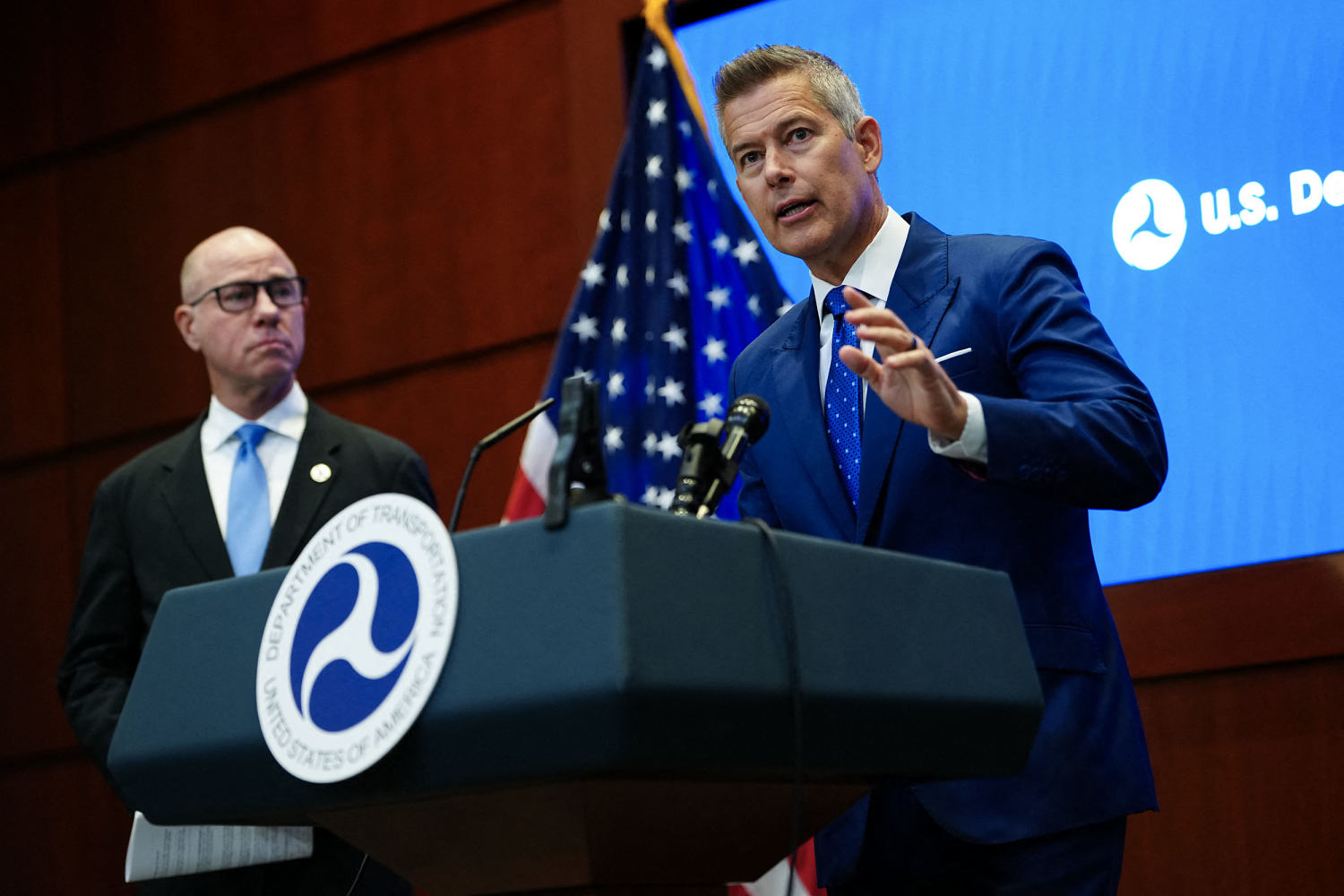
A nationwide flight grounding has turned the Federal Aviation Administration’s aging technology into an urgent FAA funding fight. Transportation Secretary Sean Duffy wants Congress to provide $50 billion for an overhaul. Democrats say the agency already has billions available, and the administration must explain what has been spent and what the new request would buy. The immediate task is to restore confidence in a system travelers depend on; the political test is whether officials can show where the money goes.
The disruption followed a technical problem during work to replace old copper wire with fiber at a site in the Arkansas city of El Dorado. Duffy said the network trouble spread to a facility in Amarillo, Texas. The FAA described a flood of connection attempts that destabilized aircraft communications and radar feeds; blocking the affected locations stabilized the network. Investigators have not established whether faulty equipment or contractor error caused the outage. Thousands of flights were grounded, and delays and cancellations continued afterward. The account of the outage and its continuing effects makes the stakes plain: this is not an abstract fight over a line in a budget.
The underlying modernization need is not new. Congress approved $25 billion over five years during the Biden administration for airport and air traffic control infrastructure, though much of that allocation went to airport projects such as runways and terminals. In 2025, a Republican-led Congress then provided $12.5 billion for FAA system upgrades. That package included $4.75 billion for telecommunications infrastructure and systems improvements. Duffy said the agency had used about a third of that modernization allocation so far, while the first phase of upgrades is supposed to be completed by December 2028. The administration’s request for a $50 billion aviation upgrade therefore lands alongside substantial, but not necessarily interchangeable, existing commitments.
There is a real dispute over what those commitments cover. Duffy says the $12.5 billion does not give him funds for a new telecommunications architecture, new software, or replacement towers. He has said the full telecom work could be completed by early 2029 if Congress supplies more money. Yet FAA Administrator Bryan Bedford told lawmakers in September that the agency was carrying out an ambitious modernization with the money already approved. Bedford also said a second phase, involving new aircraft-tracking and traffic-optimization systems, would cost at least another $10 billion. That figure helps explain why additional investment may be needed, but it does not by itself account for a request that rose from roughly $30 billion to $50 billion after the grounding. Duffy has not provided a detailed breakdown of the larger figure.
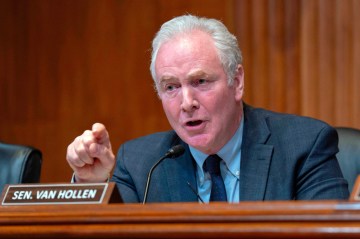
Democrats are asking for that accounting before they agree to write another check. Representatives Rick Larsen and André Carson, who lead Democrats on House panels overseeing aviation, asked the administration to explain why it needs more money while existing funds remain unspent. FAA and Transportation Department staff were due to brief their offices. Senator Chris Van Hollen said he would support whatever funding is necessary, but wants administration officials to justify the request before Congress. He has called for a bipartisan response, not a blank authorization.
Other Democrats have made the argument about priorities. Senator Brian Schatz said some of the additional money Congress approved for immigration enforcement could be redirected to aviation without increasing taxpayer spending. Senator Tammy Duckworth and Representative Laura Friedman contrasted spending for immigration enforcement and White House construction projects with the amount allocated to air traffic control. Those comparisons are political arguments, not a funding plan; the central practical question remains which FAA needs can be paid for with current balances and which require new appropriations. Democrats’ questions about FAA and immigration spending reflect a broader fight over the administration’s choices, but the aviation system still needs a clear project list and timetable.
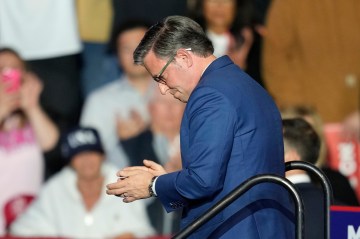
Republicans are also signaling that they want action. House Speaker Mike Johnson said he would include FAA funding in an upcoming legislative package, arguing that additional investment is needed. Senator Eric Schmitt has separately proposed a $30 billion Modern Skies Act that would build on last year’s allocation, including the additional $10 billion Bedford said the second modernization phase would require, along with airport and tower improvements. Johnson’s support for new funding is another sign that the need to upgrade the system is not solely a Democratic concern. The House speaker’s backing for aviation investment does not yet settle how much Congress will approve or through which bill.
The timing is tight. Appropriators are negotiating government funding ahead of a December 11 deadline, and leaders have not made clear how an FAA measure would move through the Senate. Republicans hold the majority for the remaining weeks before Democrats take control in January. That change is likely to bring closer scrutiny of the Trump administration’s spending, even as both parties face pressure to prevent another disruption affecting passengers nationwide. Van Hollen’s support for funding with an explanation points to a possible middle ground: act on genuine safety needs, while requiring a transparent account of costs and progress.
For my part, the case for modernizing air traffic control is hard to dispute. The case for $50 billion needs to be made with the same clarity as the case for doing the work. Congress should demand the details quickly, then keep safety from becoming a casualty of the budget fight.
Reported by CNN, The Philadelphia Inquirer, Newsweek, FOX 4 Dallas-Fort Worth.