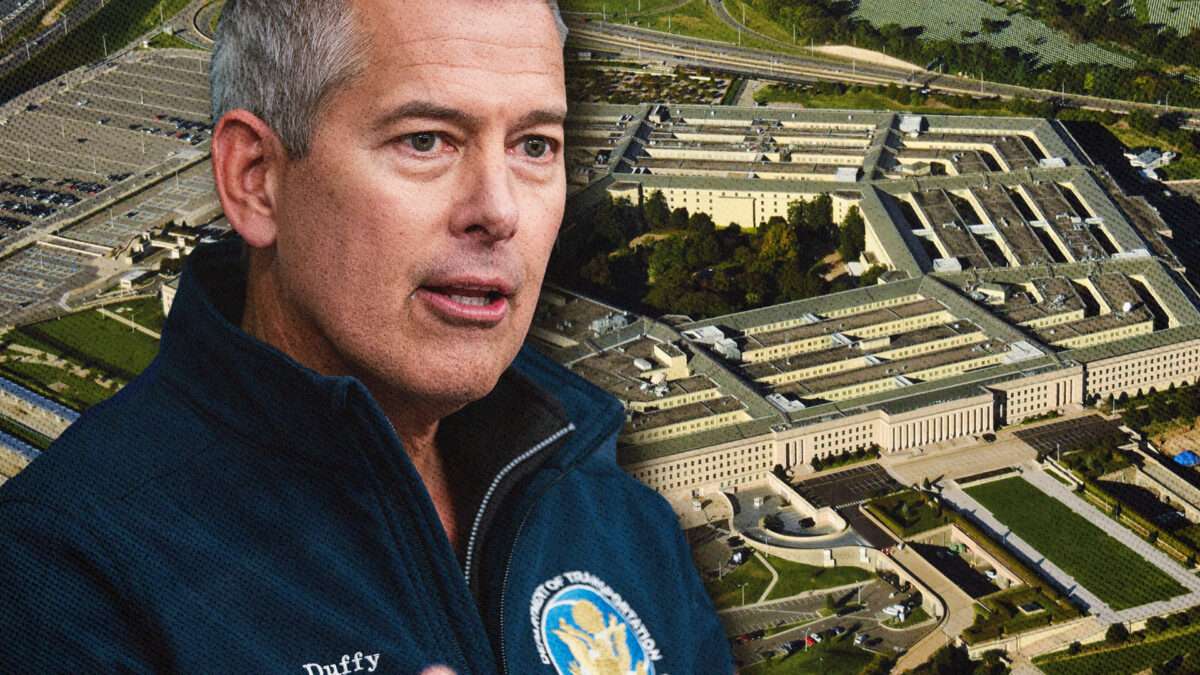
FAA Tests Routers After Nationwide Ground Stop
The routers have been taken to L3Harris’ Florida headquarters for assessment, assisted by technical staff at the FAA, Juniper Networks, and Cisco. Officials are working with the FBI and other law enforcement agencies to identify what caused the disruption. Duffy said there is no current indication of a cyberattack, and FAA Administrator Bryan Bedford said investigators had found no evidence of deliberate interference or an AI-related cause.
The Arkansas router is believed to have caused instability in the air traffic communications network. Duffy said officials disabled the broadcasting capability of 69 routers, resolving the issue. He linked the incident to work replacing copper wire with fiber in El Dorado, Arkansas: when a router there was switched on, a system in Amarillo, Texas, that had been replaced weeks earlier also began flooding the network. Officials are examining routers from both locations.
The FAA declared the ground stop at 3:54 p.m. on November 13, halting departures nationwide. Aircraft already in the air continued flying. The stop was lifted at 8:15 p.m., after more than four hours. Duffy said officials isolated the problem and reopened the airspace after the network came back online.
Duffy has not identified the root cause and said investigators are considering whether there was an installation error or faulty equipment. L3Harris said it is supporting the investigation. Duffy also urged Congress to provide additional funding to replace the aging air traffic control network, saying the $12.5 billion already appropriated for FAA upgrades cannot be used for the telecom architecture. He said a new network could be completed by the end of 2028 or early 2029 if funding is provided.
FAA Router Failure Puts Contractor Oversight in Focus
A failure in air traffic communications halted departures nationwide for more than four hours on November 13. The routers at the center of the investigation came from facilities in Arkansas and Texas and are being examined at L3Harris’ Florida headquarters, with FAA, Juniper Networks and Cisco engineers involved.
Transportation Secretary Sean Duffy said the Arkansas router’s broadcasting ability was among those disabled, and that turning off the broadcast capability of 69 routers resolved the problem. He connected the incident to fiber-upgrade work in Arkansas and a system in Texas that began flooding the network. But the root cause is still undetermined, including whether installation error or defective equipment was involved.
Officials say they have no current evidence of a cyberattack or deliberate interference. That reassurance does not replace the need to establish how the failure happened and what safeguards will prevent a repeat. L3Harris is supporting the investigation, which also involves the FBI and other law enforcement agencies.
Duffy is asking Congress for more money to overhaul the aging system, arguing that the existing $12.5 billion FAA appropriation cannot pay for telecom architecture. A major rebuild may be needed, but a funding request should come alongside clear answers about the contractor’s role, the equipment failure and how the public will be protected during the transition. Duffy said a new network could be ready by the end of 2028 or early 2029 if Congress provides funding.
Ground Stop Shows Why Congress Must Fund Air Traffic Upgrade
A router problem brought airline departures across the country to a halt on November 13, underscoring the fragility of an aging air traffic control system. The FAA lifted the ground stop after more than four hours, once officials isolated the issue and the network came back online.
Officials are examining routers from Arkansas and Texas at L3Harris’ Florida headquarters. Duffy said work to replace copper wire with fiber in Arkansas coincided with a router broadcasting data into the network and a Texas system flooding it. The broadcasting capability of 69 routers has been shut off. Investigators have not established the root cause, and officials say they have no indication of a cyberattack.
Duffy says Congress must provide additional funding for new telecom architecture. The $12.5 billion already appropriated for FAA improvements is restricted to other systems, he said, and cannot be used for that work. He said a replacement network could be completed by the end of 2028 or early 2029 with funding.
The investigation must determine whether faulty equipment or an installation error caused the disruption, but treating a decades-old infrastructure problem as a one-off router issue would leave the underlying vulnerability in place. Duffy says telecom companies are ready to begin work; Congress now faces the funding decision while the FAA and law enforcement continue investigating.
Reported by FOX 4 Dallas-Fort Worth, ABC7 Los Angeles.