What Pope Leo heard on his journey from the Andes to the Amazon

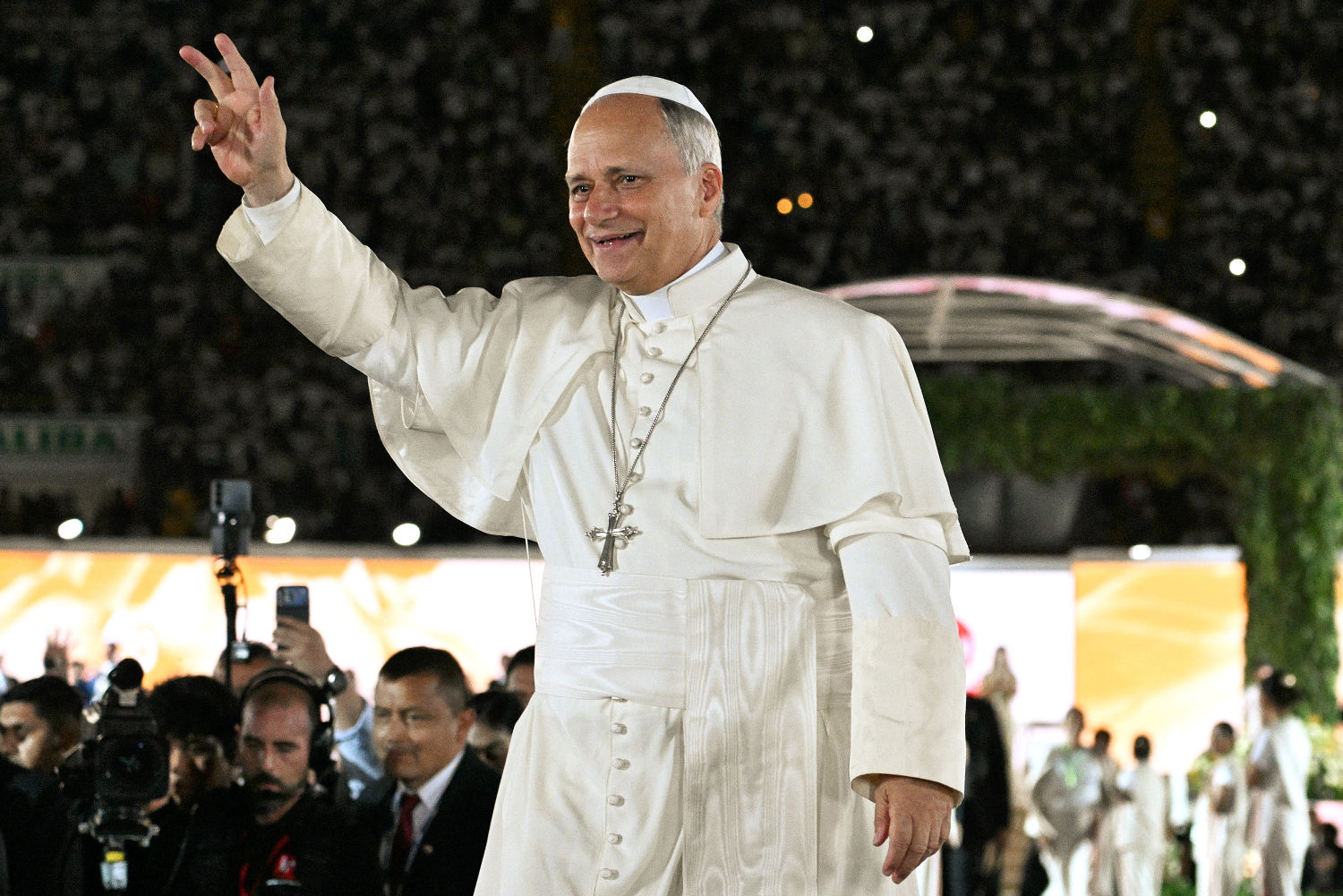
Pope Leo XIV’s journey across Peru puts Indigenous communities and the Amazon at the center of his final days in a country he has made his adopted homeland. The itinerary moves from Cusco, the former Inca capital high in the Andes, to Pucallpa in the rainforest. In both places, the Catholic message is expected to connect care for vulnerable people with stewardship of creation. The reported itinerary shows that the visit is more than ceremonial. It also gives communities and church leaders a chance to raise threats to land, health and safety with the pope.
Peruvian Cardinal Pedro Barreto, who leads the Amazon bishops conference, described the visit as a continuation of the church’s work with Indigenous peoples and in defense of their territories. He said Leo was following a course set by Pope Francis on environmental protection and human rights. Barreto also expected the pope to hear accounts of violence against children and young people. The Spanish-language account likewise presents Indigenous rights and the protection of the Amazon as the visit’s central concerns. The framing is significant: the church treats environmental damage and the condition of the poor as connected questions, rather than separate subjects.
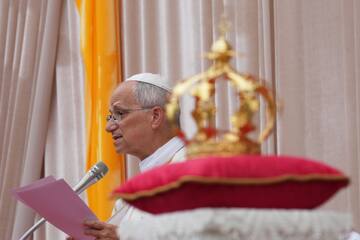
Cusco comes first. At 3,400 meters above sea level, the city will test the stamina of a pope recovering from surgery for lung cancer. The program opens at the historic Sacsayhuamán fortress, where Leo plans to discuss local religious traditions. In the Plaza de Armas, he will present a Holy See shroud for the image known as the Lord of the Earthquakes. People venerate it in a country prone to seismic activity. Leo will deliver a message to sick people before departing for Pucallpa.
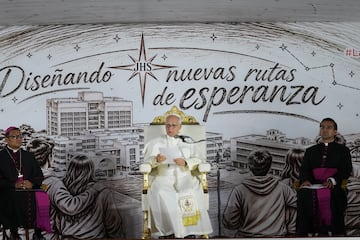
The rainforest city has 434,000 residents. There, Leo is expected to renew the call to protect Indigenous communities and the environment from illegal mining and other exploitation. Visit organizer the Rev. Luca Zanta said the pope’s main task would be listening to Indigenous people gathered near Lake Yarinacocha, including Shipibo, Asháninka and Kukama communities. Leo will also lead a symbolic planting of a shihuahuaco, a native tree that can live for more than a millennium and grow to great height. Zanta presented the tree as an image of the church’s hope to endure, protect those in need and pass its values on across generations.
Those appeals meet a hard economic reality. Illegal gold mining is expanding as a lucrative business in the Amazon, where miners use makeshift suction dredges and mercury to extract gold. Raphael Hoetmer, who directs Amazon Watch’s Western Amazon program, linked the pressure to global war and conflict. He said those conditions had helped push gold prices to historic highs. He warned that mercury extraction causes pollution, health problems and environmental degradation. His account describes the chain: a distant market incentive can intensify damage in river systems and communities far from the buyers.
Peruvian police said they carried out three operations against illegal mining in Madre de Dios on Saturday. Officers destroyed rafts, motors and other extraction equipment worth $4.1 million. The region is among the country’s most biodiverse. Mining also drives forest loss, pushes into Indigenous territories and exposes communities to violence and organized crime. The church’s concern, then, is not limited to the loss of trees. It includes the security of people whose ancestral lands face encroachment, and the effects of toxic pollution on those who depend on local rivers.
The pope is expected to speak about sexual violence against women and girls. Barreto pointed to a recent case in Condorcanqui province, in the northern Amazon. There, teachers abused Indigenous Awajún and Wampis girls. Church leaders are particularly concerned about the case. The planned visit gives the pope an opportunity to hear about it alongside wider threats to Indigenous communities. Reports also highlight the vulnerability of peoples living apart from the wider world, including the Mashco Piro in southeastern Madre de Dios. Survival International released images in 2024 showing members of the group near logging concessions. The related account of the pope’s appeal against violence and reporting on his attention to abuse against women and girls provide further context.
The journey is also shaped by Peru’s religious and cultural history. Cusco’s former imperial role, its high-altitude setting and devotion to the Lord of the Earthquakes give the Andean stop a distinct character from the encounter planned beside Lake Yarinacocha. Across those different settings, the itinerary returns to the same questions: who is heard, who is protected, and what happens to the land on which communities depend. The church’s language of care for creation faces a test from mining, deforestation and violence. It is not left as a general sentiment.
For my part, the most telling detail is that listening is built into the Amazon stop. It is a modest act, but one that matters when the people most exposed to harm are too often the least heard. The next test is whether attention can be turned into protection.
Update, November 15, 2026: In Pucallpa, Leo called for justice for environmental defenders, citing an estimate of 57 killings from 2010 to 2024, and urged an economic approach that respects Indigenous communities and the forest. A Peruvian court in 2025 affirmed prison terms for four timber traders convicted over the 2014 killing of Indigenous opponents of logging. In a separate case, four people received sentences of up to 35 years for murdering Kichwa leader Quinto Inuma Alvarado. Leo also condemned abuse of Awajún and Wampis girls; their women’s council documented 370 cases in Condorcanqui between January and July.
Reported by KPRC 2 Click2Houston, The Philadelphia Inquirer, CBS Chicago.