Bahrain Intercepts Iranian Drones as Tensions Rise
Bahrain issued two alerts about potential threats on November 15, its first such warnings since September, as tensions with Iran continued. The Interior Ministry urged residents to stay calm and move to the nearest safe place, without giving further details about the alerts.
Iran’s Islamic Revolutionary Guard Corps reported launching six drones toward a US air-defense installation at Bahrain’s Al-Rifaa helicopter base. The Bahrain Defense Force said it intercepted and destroyed several Iranian drones. Iran’s claim followed a similar reported attempt on Friday; the US military said it intercepted two drones then, with no damage.
Bahrain hosts the US Navy’s Fifth Fleet. The latest claims came amid stalled efforts to end the conflict, which erupted after US and Israeli forces struck Iran on February 28 and then spread across the region. Iran has demanded that Washington end its blockade and ease sanctions before negotiations resume. President Donald Trump has said the United States would continue the blockade while holding off on attacks if there were no new provocations from Iran or Yemen’s Houthis.
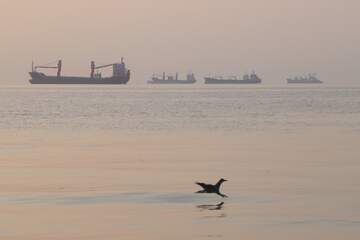
Tensions have also extended to shipping and neighboring states. Iran has made frequent claims of attacks on tankers in the Strait of Hormuz, while Gulf oil exports rose to 18.4 million barrels per day during October, roughly 26% under their prewar level. On November 15, a Saudi-led coalition said it intercepted two Houthi ballistic missiles aimed at Riyadh and three drones in Saudi Arabia’s Eastern Province.
Iran’s Drone Claims Put Gulf Civilians at Risk as Diplomacy Stalls
Bahrain’s alerts on November 15 underscore the danger of a conflict that has spread across the region while efforts to end it remain stalled. The Interior Ministry told residents to stay calm and seek nearby safe locations. Bahrain’s Defense Force said it intercepted and destroyed several Iranian drones.
Iran’s Revolutionary Guard claimed it sent six drones toward a US air-defense installation at Bahrain’s Al-Rifaa helicopter base. The claim followed a similar incident on Friday, when the US military said it intercepted two Iranian drones without damage. Bahrain is home to the US Navy’s Fifth Fleet.
The stakes extend beyond the base. The war erupted after US and Israeli forces struck Iran on February 28, and Tehran has since launched missile and drone attacks targeting US bases throughout Gulf states. Iran has also warned Gulf states against reopening old wounds, while the Gulf Cooperation Council has announced a military command headquarters in Kuwait following what its secretary general called Iranian attacks.
Washington’s blockade and the economic pressure on Iran have not produced a diplomatic breakthrough. Trump has said the blockade will continue, while Iran says it wants the blockade ended and sanctions eased before talks resume. The region remains exposed to further escalation, including attacks on shipping and neighboring countries; on November 15, a Saudi-led coalition said it intercepted Houthi missiles and drones.
Bahrain’s Drone Interceptions Show Why Pressure on Iran Must Continue
Iran’s claimed drone attack on a US military site in Bahrain, followed by the kingdom’s report that it intercepted several drones, is a reminder of the risks Tehran poses to US partners in the Gulf. Bahrain issued two threat alerts on November 15 and urged residents to move to safe locations.
The Revolutionary Guard said it sent six drones toward a radar installation at Bahrain’s Al-Rifaa helicopter base. The claim followed a similar attempt on Friday; the US military said it intercepted two Iranian drones then without damage. Bahrain hosts the US Navy’s Fifth Fleet.
Iran has also made repeated claims of attacks on tankers in the Strait of Hormuz and has demanded an end to the US blockade and sanctions before negotiations resume. Gulf oil exports climbed to 18.4 million barrels per day during October, roughly 26% under their prewar level, while Iran has been unable to sell a substantial volume of its own crude for longer than two months.
Trump has said the United States will maintain the blockade while holding off on attacks if Iran and the Houthis make no new provocations. The events in Bahrain show the tension in that approach: Washington is applying economic pressure while seeking to avoid renewed direct attacks. On November 15, a Saudi-led coalition also said it intercepted Houthi missiles and drones.
Reported by New York Post, CNN.