Cape Verde Votes in Race That Could Make Joana Rosa Its First Woman President
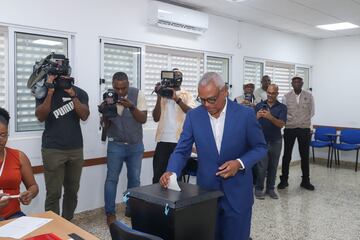
Six candidates are competing for Cape Verde’s presidency. If no one wins more than half the vote, the two leading candidates will meet in a runoff on November 29. Rosa is backed by the opposition Movement for Democracy, while Neves is seeking a second term with support from Cape Verde’s PAICV.
The contest could mark a milestone for women in the Atlantic island nation off West Africa. Women have held senior Cabinet positions, but no woman has served as president or prime minister. Political science professor Roselma Évora said Rosa’s candidacy challenges traditional expectations in a society she described as patriarchal.
The presidency has limited executive authority under Cape Verde’s parliamentary arrangement: policy is directed by the prime minister, while the president can veto legislation. Rosa has made the balance of power a campaign issue, saying the presidency should counterweight PAICV, which won a parliamentary majority in May and controls the government and most municipalities. If Rosa wins, the presidency and government would again be held by opposing political camps.
Neves won about 52% of the vote in 2021. He has promised to seek cross-party agreement on housing, health care and education, as well as jobs and higher wages. Évora said his incumbency has given him greater visibility, including among voters abroad.
Nearly 77,000 Cape Verdeans living overseas are registered to vote, almost one-fifth of the electorate. Évora said limited economic prospects are prompting young people to look for opportunities abroad, while many voters feel disconnected from political leaders. Writer Rosário Luz said party loyalties may matter more than Rosa’s gender, and argued that policies have not adequately addressed women’s financial responsibilities in their households.
Cape Verde’s Presidential Race Puts Representation and Daily Needs in Focus
Cape Verde’s election is a chance to make history and test whether the presidency can offer a check on the party that controls the government. Former Justice Minister Joana Rosa, the opposition Movement for Democracy’s candidate, is challenging incumbent José Maria Neves, whose PAICV won a parliamentary majority in May.
Rosa says the country needs balance between the presidency and government. A win would place those institutions in rival political camps. The president’s powers are limited, but include vetoing legislation; the prime minister directs government policy.
The race also brings women’s political representation into view. No woman has been Cape Verde’s president or prime minister, despite women holding senior Cabinet posts. Political science professor Roselma Évora said Rosa’s candidacy challenges traditional expectations in a society that remains patriarchal.
The stakes extend to household pressures and economic opportunity. Writer Rosário Luz said women shoulder much of the financial responsibility at home while policy has not sufficiently addressed that burden. Évora said young people are leaving in search of better prospects and that many voters feel distant from their leaders.
Neves has pledged cross-party work on housing, health care and education, job creation and wage increases. He won about 52% in 2021 and has greater visibility as the incumbent, including among overseas voters. Six candidates are running; absent a majority winner, a runoff is set for November 29. Nearly 77,000 citizens abroad are registered, close to a fifth of the electorate.
Cape Verde’s Voters Weigh Stability and Checks on a Dominant Government
Cape Verde’s voters are deciding whether to return José Maria Neves to office or put the presidency in the hands of opposition candidate Joana Rosa. The choice carries a clear institutional question: the governing PAICV supports Neves and holds sway over the cabinet and most municipalities, while Rosa argues the country needs a counterweight.
Neves has promised to build support across party lines for housing, health care and education, along with jobs and higher wages. He won about 52% in 2021, and his incumbency has made him more visible, including to voters overseas. His supporters can point to a record of competitive elections and peaceful transfers of power in a region where those are uncommon.
Rosa, a former justice minister backed by the Movement for Democracy, could become Cape Verde’s first woman president. But the office is largely symbolic in a parliamentary system where the prime minister directs policy, even though the president can veto legislation. A Rosa victory would once again divide control of the presidency and government between opposing parties.
The race also reflects concern about economic opportunity and whether leaders understand voters’ everyday difficulties. Political science professor Roselma Évora said young people are seeking prospects abroad and many voters feel distant from political leaders. Nearly 77,000 citizens overseas are registered to vote, almost one-fifth of the electorate.
Six candidates are on the ballot. If none receives more than half the vote, the contest proceeds to a runoff on November 29. Rosa’s candidacy challenges traditional gender expectations, while writer Rosário Luz said party allegiance is more important to many voters than the candidate’s gender.
Reported by ClickOnDetroit WDIV, The Philadelphia Inquirer.