Pope Leo XIV honors Afro-Peruvian history in Zaña
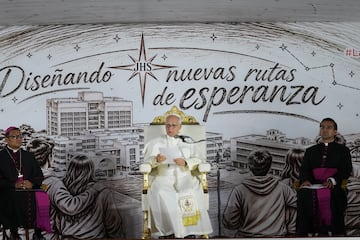
Pope Leo XIV spoke on November 14 in Zaña, a northern Peruvian town recognized by UNESCO as a site commemorating slavery and African cultural heritage. He said the town preserves the memory of Africans taken from their homes and enslaved, and expressed his affection for Peruvians of African descent.
The pope said slavery brought immense suffering and humiliation, and referred to discrimination that continues to affect people in the region. He also said families faced crime, extortion and insecurity, and offered prayers for those living in fear.
Leo had apologized for the Church’s historical role in legitimizing slavery in the Americas in his first encyclical, Magnificent Humanity. The document addressed past papal directives that authorized European rulers to conquer lands and enslave non-Christians, as well as the Church’s failure to condemn slavery for centuries.
An estimated 100,000 enslaved Africans were brought to Peru after the Spanish conquest. They worked in sugar plantations and silver mines, while some became artisans. Their descendants once made up more than 40% of Lima’s population. Peru’s 2017 census recorded 1,311 residents identifying as Afro-Peruvian in Zaña and 78,639 across the Lambayeque region.
Afro-Peruvian singer Susana Baca, who performed for the pope during his visit, has campaigned against discrimination. Researcher Alejandro Frigerio has described the community’s contributions as often overlooked or reduced to folklore, and said equitable rights and the end of everyday and institutional racism remain challenges.
Leo’s Apology Must Be Matched by Action on Racism
Pope Leo XIV’s visit to Zaña on November 14 put the history of enslaved Africans and the continuing discrimination faced by Afro-Peruvians in the spotlight. He spoke of the suffering and humiliation caused by slavery and said people in the region still experience discrimination, crime and extortion.
Leo has apologized for the Church’s role in legitimizing slavery in the Americas and for failing to condemn it for centuries. That acknowledgment matters, but the visit also underscores the distance between an apology and equal treatment in daily life.
Researcher Alejandro Frigerio said Afro-Peruvian history has been erased by denying the community’s place in the country’s development and diminishing its work to mere folklore. He has said the central challenges include fair access to rights and ending both everyday and institutional racism.
The scale of the history is substantial: an estimated 100,000 enslaved Africans were brought to Peru, and their descendants at one point accounted for more than 40% of Lima’s population. The 2017 census counted 1,311 people identifying as Afro-Peruvian in Zaña. Singer and former cabinet minister Susana Baca has also campaigned against discrimination. The pope’s words recognize a painful past; the continuing test is whether Afro-Peruvians receive the recognition and rights Frigerio says remain at issue.
Pope’s Apology Recognizes Slavery’s Human Cost
Pope Leo XIV brought a message of repentance and human dignity to Zaña on November 14, recognizing the suffering of enslaved Africans and expressing closeness to Peruvians of African descent. The town preserves the memory of people torn from their homes and forced into slavery.
Leo’s remarks build on an apology in his first encyclical concerning earlier pontiffs’ part in giving moral sanction to enslavement across the Americas and the Church’s failure to condemn it for centuries. His visit also honored the legacy of St. Turibius of Mogrovejo, who defended Indigenous and enslaved people against abuses by Spanish colonizers.
The history is stark: an estimated 100,000 enslaved Africans were brought to Peru after the Spanish conquest, where they labored in plantations and mines. Their descendants once formed more than 40% of Lima’s population. As of November 14, 2026, Afro-Peruvians remain a small part of the country’s population, and discrimination persists.
Leo acknowledged present-day hardship as well, speaking of families affected by crime, extortion, insecurity and discrimination. Afro-Peruvian singer Susana Baca, who performed for him, has campaigned against discrimination and said the importance he places on asking forgiveness connects with her. The visit joined historical remembrance with a call for compassion and peace.
Reported by Local 10 Miami, The Philadelphia Inquirer.