What USPS plans for package prices in January
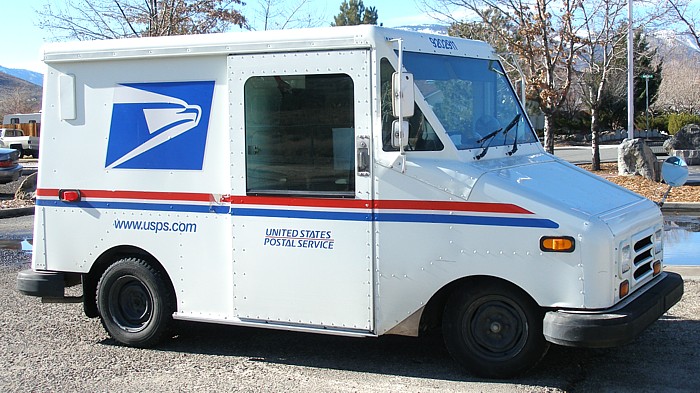
The U.S. Postal Service wants to raise USPS shipping rates in 2027, just as the holiday shipping season is underway. The USPS Board of Governors approved a proposal to lift domestic prices by an average of 5.9 percent for Priority Mail, Priority Mail Express, Ground Advantage and Parcel Select. If regulators approve it, the changes would begin January 17. International shipping prices would rise by about 7.9 percent across several services. First-class mail rates and stamp prices would stay put. The proposed USPS rate changes are not yet final: the Postal Regulatory Commission still has to review them.
A second change is less temporary in character. An 8 percent transportation-related increase introduced in April would be made permanent, then raised by a further 3 percent. That would bring the surcharge to 11 percent in January. USPS says it will review the charge in July 2027 using fuel prices from the first half of the year. The surcharge does not currently apply to international services. The planned permanent fuel surcharge follows a period when the agency described the transportation charge as an emergency measure. Holiday shipping surcharges are in place now, with their scheduled end on January 17. That is also when the proposed new rates would begin. Customers could face a change in charges rather than a return to earlier prices.
The immediate explanation is fuel and the longer one is a deficit that has been accumulating for years. USPS reported a $6.5 billion loss in fiscal year 2026, smaller than the $9 billion loss the previous year, but still a severe drain. The reports put cumulative net losses since 2007 at about $120 billion. First-class mail, once the agency’s biggest source of revenue, has declined as communications shifted to digital channels. Traditional mail prices are linked to inflation, while shipping prices are chiefly adjusted to reflect market conditions. The Postal Service operates as an independent federal agency, with a nationwide public-service responsibility that private carriers such as UPS do not share in the same form. Postmaster General David Steiner said serving 170 million addresses six days each week costs $3.4 billion annually. Its public mandate and structure help explain why a simple comparison with commercial shipping companies cannot settle what service should cost or who should pay for it.
Steiner has described the agency’s finances in increasingly urgent terms. In March, he told lawmakers USPS was out of cash and borrowing from employee retirement funds to keep operating, while asking Congress for additional support. In August, he warned that deliveries could stop altogether in 2027 if funding goals were not met. Another report places a similar warning in June, saying USPS cautioned lawmakers it could run out of money within a year. The accounts differ on when the warning was made, but all point to the same underlying dispute: the postal service says its existing finances cannot sustain its obligations without changes or new resources. After the April surcharge and an agreement with DHL eCommerce to handle last-mile parcel delivery, projections now show USPS operating through at least 2031.
The proposed increases are part of a broader transformation plan, according to postal officials, intended to preserve a delivery network operating at least six days a week. But the agency’s figures also point toward possible retrenchment: Steiner said 70 percent of routes lose money and roughly 58 percent of 18,000 post offices are unprofitable. He said USPS would need to consider major changes to the number of post offices and the service levels for marketing mail, as well as other ways to raise cash. That puts the practical consequences of restructuring in local communities, where a post office may be a basic point of access rather than a dispensable line on a balance sheet. A separate warning about post offices and delivery underlines why facility decisions are part of the financial story, not an administrative footnote.
The political choices remain unsettled. President Donald Trump has floated privatizing USPS or placing it under the Department of Commerce, proposals opposed by postal workers. The American Postal Workers Union says its survey respondents rejected privatization by a 34 percent margin. Union president Mark Dimondstein argued that selling the service would benefit Wall Street rather than the public, and predicted higher postal and parcel prices. Those are arguments from the union, not settled outcomes; the reports provide no independent estimate of what privatization would do to prices. Democratic Representative Brendan Boyle introduced legislation this week that would require USPS to notify customers and certain officials when a leased post office faces closure, and to seek a replacement location within the same ZIP code. The bill would address notice and relocation, not resolve the agency’s wider funding gap.
For my part, the overlap between holiday surcharges and the proposed January rates is the detail I would watch most closely as a customer. It makes the calendar of these changes as consequential as the average increase. The harder question for Congress is whether it will fund and protect a public network, or keep asking customers and postal workers to absorb the cost of a crisis they did not create.
Reported by Newsweek, Denver7, New York Post.