Report Details Failures Before Four Colorado Firefighter Deaths
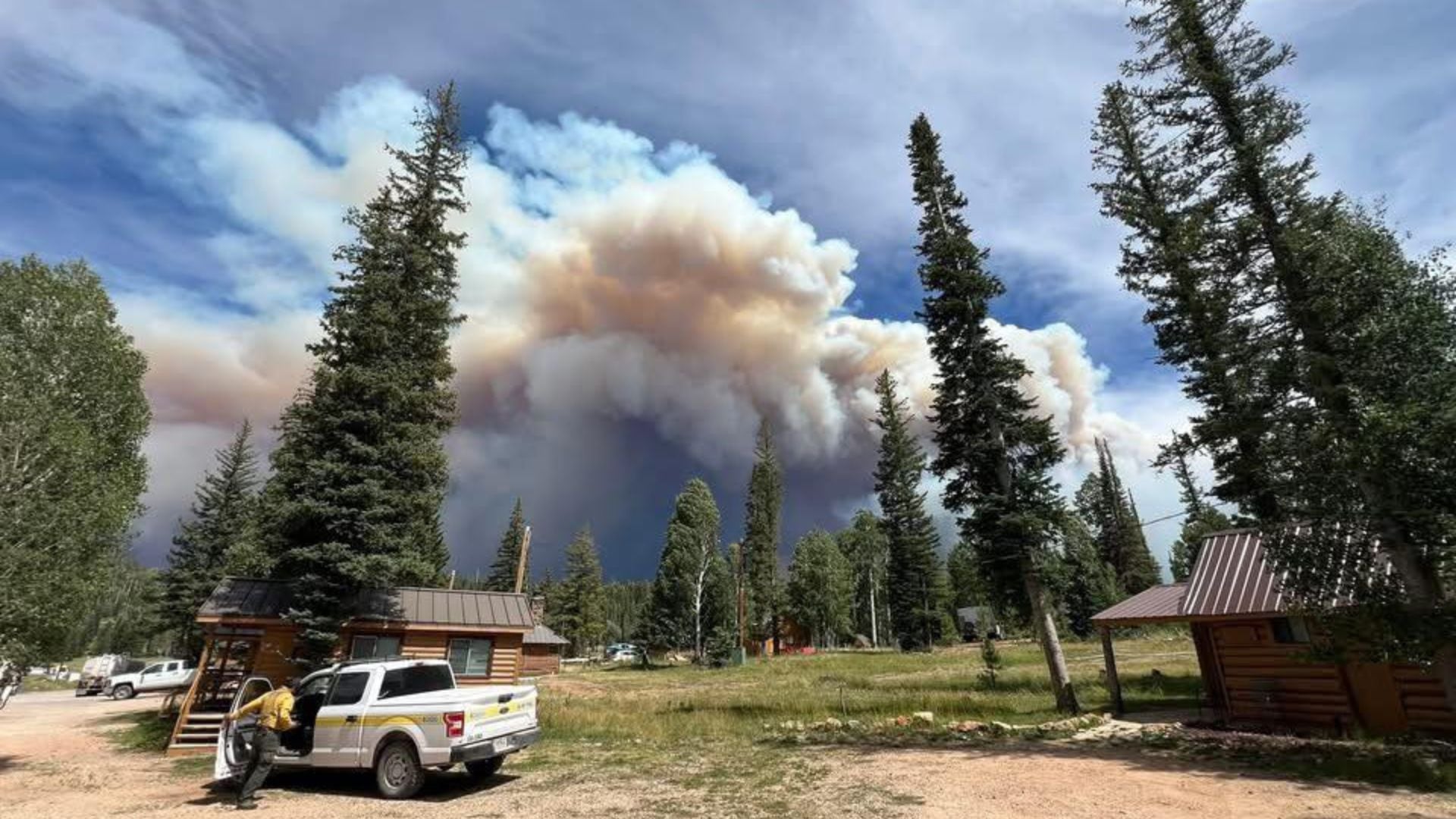
The four members of the Rifle Helitack crew were sent to a remote fire line in Colorado’s Black Ridge Canyon Wilderness after lightning ignited several fires on June 27. The Knowles Fire later merged with other fires to form the Snyder Fire along the Colorado-Utah border. Strong winds drove flames toward the crew, trapping its five members as the fire advanced over difficult terrain.
Emily Barker, Nick Hutcherson and Sydney Watson died at the scene. Nathan Matthews suffered burns and died on July 24. A fifth firefighter was also burned but survived. The crew deployed fire shelters after a helicopter could not reach them in time.
The Interior Department’s investigation cited unexpected fire behavior, chronic understaffing, a shortage of highly trained workers and communication breakdowns. Trainee dispatchers were managing aircraft, multiple fires, evacuations and other demands; radio congestion and workload meant they could not transmit a scheduled fire-weather forecast. Commanders also lacked clear information about the crew’s location, and no one was assigned to continuously compare firefighter positions with the fires’ movement.
The report said a policy of quickly suppressing new fires shaped the decision to send the crew into the wilderness despite forecast extreme fire weather. The effort was also motivated by concerns about cheatgrass, sage-grouse habitat and a nearby community.
Nick Hutcherson’s parents argued that dispatching the crew into hazardous winds was a mistake and called for accountability. They said the investigation explained how the fire reached their son but did not answer why he remained exposed as conditions worsened. The family met investigators in Grand Junction on October 26 and was told that failures involving lookouts, communications, escape routes and safety zones contributed to the deaths.
Federal Report Links Firefighter Deaths to Aggressive Suppression Policy
A federal investigation has connected four firefighter deaths to more than a fast-moving blaze: it says a policy of aggressively suppressing new fires shaped the decision to send a helitack crew into a remote wilderness area despite forecast extreme fire weather.
The Knowles Fire began amid lightning ignitions in Colorado’s Black Ridge Canyon Wilderness on June 27. Strong winds pushed the fire toward the five-member Rifle Helitack crew, which was working on a remote fire line. Emily Barker, Nick Hutcherson and Sydney Watson died at the scene. Nathan Matthews later died of his burn injuries, and a fifth crew member survived.
The Interior Department report points to understaffing, too few highly trained employees and failures in communications and tracking. Trainee dispatchers were handling aircraft, several incidents and evacuations amid congested radio traffic. They could not broadcast a scheduled fire-weather forecast, while commanders lacked clear information about the crew’s position. No one was tasked with continuously mapping personnel against the fires’ movement.
The report says the suppression push was intended in part to limit cheatgrass, protect sage-grouse habitat and safeguard a downwind community. Nick Hutcherson’s parents say their son’s death was preventable and demand accountability for the decision to keep the crew exposed as conditions deteriorated. The report’s findings make the policy choice itself part of the safety failure—not merely the wind and terrain.
Investigation Identifies Operational Failures in Colorado Firefighter Deaths
The investigation into four firefighter deaths in western Colorado lays out a chain of operational breakdowns: overloaded dispatchers, unclear tracking of crew locations and rapidly changing fire conditions. Those failures deserve attention alongside the report’s discussion of the policy favoring quick suppression of new fires.
The Rifle Helitack crew was sent to a remote fire line after lightning ignited several fires on June 27. Winds drove flames toward the team as the Knowles Fire advanced over complex terrain. Emily Barker, Nick Hutcherson and Sydney Watson died at the scene; Nathan Matthews later died from burns. A fifth firefighter survived.
The Interior Department report says trainee dispatchers were coordinating aircraft, multiple incidents and evacuations while radio traffic and workload prevented a scheduled fire-weather forecast from being transmitted. Commanders did not have clear information about the crew’s location, and no one had been assigned to continuously track personnel against the fires’ direction. A helicopter could not reach the crew before it had to deploy fire shelters.
The report also says a policy to suppress new fires quickly influenced the decision to send the crew, amid concerns about cheatgrass, sage-grouse habitat and a nearby community. Nick Hutcherson’s parents argue dispatching the crew into hazardous winds was wrong and want accountability. The findings point to concrete failures in staffing, communication and oversight that must not be obscured by reducing the tragedy to a single policy dispute.
Reported by FOX 10 Phoenix, WTOP.