Henley Trade Collapse Puts NFL Physical Rules Under Scrutiny

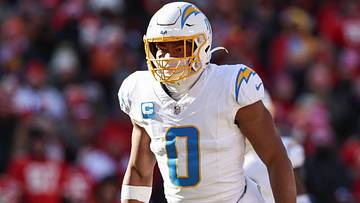
Let me tell you something. Teams can announce a trade, a player can start picturing a new locker room, and the paperwork can still leave everybody standing in the same place. That is where Chargers linebacker Daiyan Henley ended up after Denver backed out of a deal the teams had agreed to before the NFL’s November 10 trade deadline. The proposed exchange would have sent Henley to Denver in return for a 2027 fourth-round selection and a 2028 fifth-round selection, pending a physical. Denver’s examination raised concerns about his knee, and Chargers coach Jim Harbaugh says those medical findings became a lever in a fight over compensation. The trade’s collapse has turned into a dispute over how much room teams should have to change a deadline agreement after a physical.
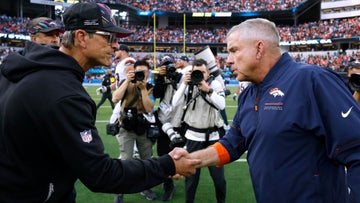
The basic sequence is not in dispute: the teams agreed to the terms, the deadline passed, Denver evaluated Henley, and the clubs did not reach revised terms. Harbaugh says the Broncos would not approve the linebacker at the original price but would pass him if Los Angeles accepted a lesser return. He described the conditional physical as tied to whether the Chargers would surrender some value from the second selection. Denver’s proposed alternatives, as reported, included keeping the fourth-round selection but substituting a seventh-rounder for the fifth, or changing the selection arrangement. Los Angeles refused, and the transaction ended. The original two-pick agreement is the hinge of the whole argument: the sides had a deal, but not one that could survive the medical review and the compensation dispute.
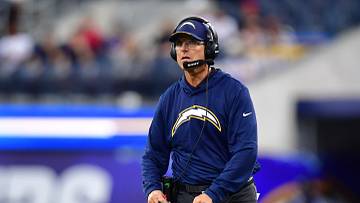
Harbaugh called on the league to examine what he sees as a loophole. His position is that a physical should determine whether a player passes medically, not become a way to reopen an agreed price after the deadline. He told reporters Denver’s decision depended on whether the Chargers would accept less, and said Los Angeles would not. He also argued that clubs should not renegotiate a deal after the cutoff on the basis of a physical. Harbaugh spoke Thursday, after the trade collapsed, and said the episode could set a bad precedent if the league leaves the process as it stands. Harbaugh’s call for league action puts the rules, rather than just the two clubs’ bargaining, at the center of the story.
Denver has not offered its account directly in these reports, but the coverage provides important context. The Broncos reportedly found a difference between their medical evaluation and information available to the Chargers before the deal. One account says Denver spoke with the NFL on Wednesday and received permission to revisit the terms; another describes league rules as allowing teams to change draft-pick compensation after a deadline deal if both sides agree. They did not agree.
So the central dispute is narrower than whether Denver could ask for new terms: it apparently could seek them, but the Chargers say Denver made its medical pass-or-fail decision conditional on accepting those terms. The reports do not establish that the league has ruled on Harbaugh’s complaint or opened an investigation. The reported consultation with the league adds that distinction: permission to discuss revised compensation is not the same as a new agreement.
The medical concern itself gets different descriptions in the coverage. The reports identify Henley’s knee as the issue that troubled Denver, with one report citing a separate account that said doctors found arthritis. That detail comes from reporting, not a direct statement from either team. The records also show why the disagreement has drawn attention: Henley appeared in every Chargers game this season, had a knee issue on an earlier injury report, and played through that period. He also appeared on the injury report with a shoulder problem, not a fresh knee complaint, in more recent reporting. His Week 9 showing against Houston included 10 tackles, his highest single-game total of the season, plus his first interception this year. Those details do not settle what Denver’s doctors saw; they do explain why “physical” has become the key word in the dispute.
Henley is 26, Los Angeles drafted him in the third round in 2023, and his rookie deal expires after this season. He has become a regular starter, and the reports credit him with 51 tackles this season. The Chargers are 0-8, while Denver leads the AFC West, so the proposed move would have taken Henley from the league’s only winless team to a division leader. Denver’s inside linebacker starters are already Alex Singleton and Justin Strnad, meaning Henley was expected to serve as a depth option there. The Chargers, meanwhile, had a reason to consider future draft capital for a player nearing free agency. The possible locker-room consequences are another part of the aftermath, though the reports do not establish what Henley intends to do about his contract or future.
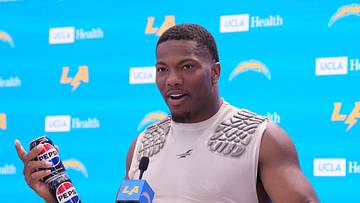
Henley has had to live through the uncertainty while the clubs argued over draft selections. Harbaugh said Henley had welcomed him back and was in meetings Thursday, and described the past few days as emotionally difficult for him. Henley briefly posted a GIF showing confusion, according to one report. Teammates reportedly felt surprised at first, then glad to see him return. No report quotes a public statement from Henley explaining his own view of the failed trade, and no one has confirmed that the experience has ended any chance of him re-signing with Los Angeles. Those are possibilities discussed in coverage, not settled outcomes. For now, he is back with the Chargers and expected to play out the season there.
What comes next is a league question as much as a roster question. Harbaugh wants the NFL to review whether the rules invite teams to use a post-deadline physical to press for cheaper compensation. The reports do not say whether the league will change its procedures, or when it might respond. For my part, the hard detail is that two clubs agreed on a price and then could not agree on what a medical review meant for that price. Henley is the one who had to wait while the adults in the room sorted it out.
Reported by CBS Sports, Sports Illustrated, Fox News, New York Post, Newsweek.