Chip Export Controls Gain Momentum in Defense Bill Talks
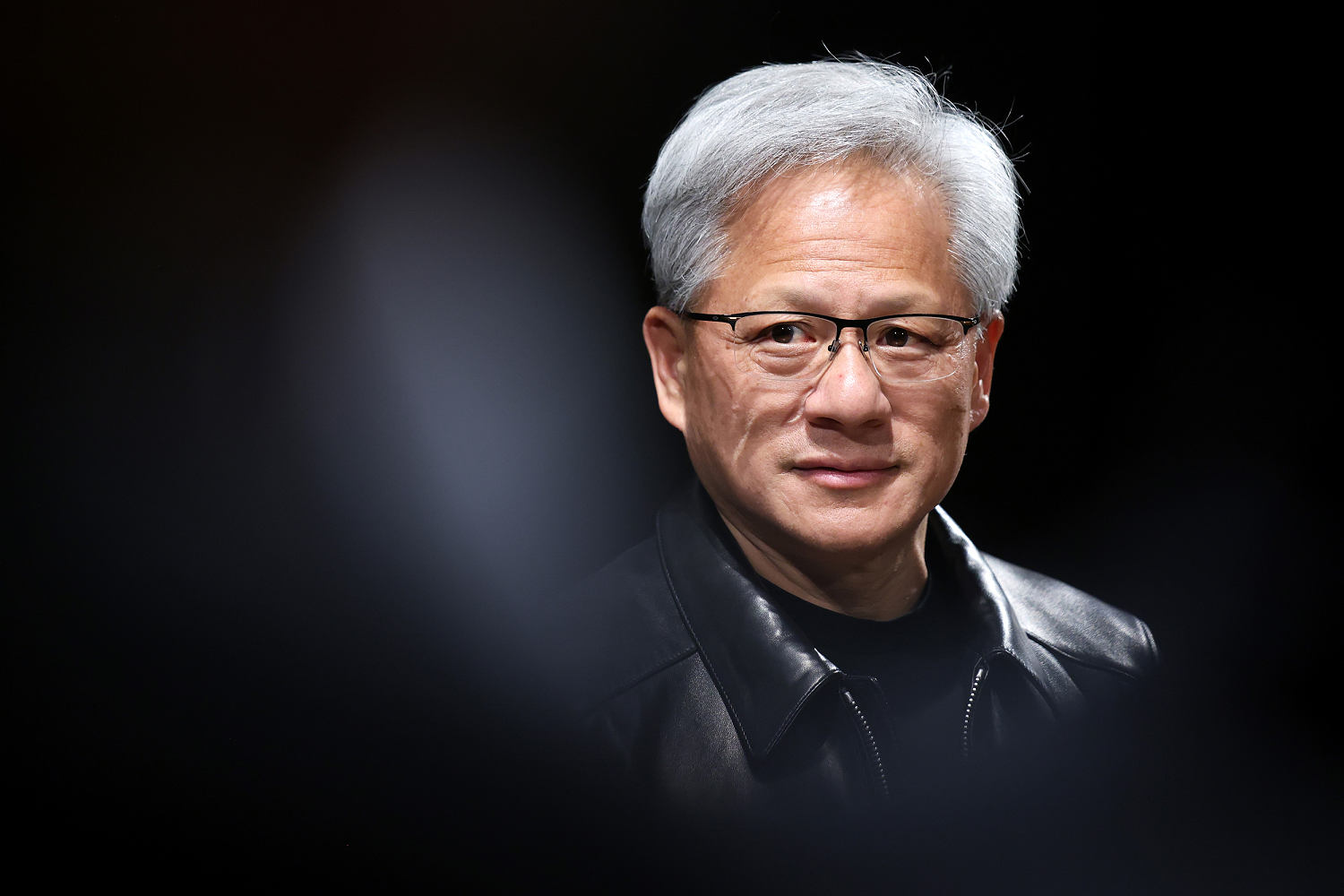
House Foreign Affairs Committee Chair Brian Mast said there was a strong chance new restrictions on advanced chip exports to China would be included in this year’s defense authorization bill. The issue has gained momentum after revelations that former Nvidia CEO Jensen Huang had a relationship with a woman described as an alleged Chinese spy. Huang left his position on November 12; lawmakers have raised national security concerns in response to the controversy.
Three proposals are under consideration. The Chip Security Act would require ways to verify the location of advanced chips after shipment. The MATCH Act would tighten rules on chipmaking equipment and seek to align restrictions imposed by other countries. The AI Overwatch Act would give Congress a role in reviewing Commerce Department licenses for advanced chip sales to countries of concern.
House Speaker Mike Johnson and Democratic leader Hakeem Jeffries have voiced support for stronger controls. Senate Majority Leader John Thune said the chances were high, but he and Senate Armed Services Committee Chair Roger Wicker said lawmakers had not reached an agreement on including the measures in the final bill. Some lawmakers have also cautioned that restrictions need to be calibrated and could encourage more chip production in China.
Mast said he wanted Huang to testify soon and was in discussions with his team, while leaving open the possibility of a subpoena. He also said he wanted to investigate the Commerce Department’s Bureau of Industry and Security, which oversees export controls. Mast expressed confidence in Commerce Secretary Howard Lutnick but declined to say whether he trusted bureau chief Jeffrey Kessler.
The measures appeared in the Senate’s draft of last year’s defense bill but were dropped during negotiations with the House. This year’s bill is still being negotiated, and disputes over other provisions, including efforts by Democrats to limit the war in Iran, could complicate its passage.
Congress Must Close Chip Export Loopholes Before China Benefits
The controversy surrounding Nvidia’s former CEO has sharpened the national security case for Congress to stop advanced U.S. chips from reaching China without meaningful safeguards. On November 12, House leaders from both parties voiced support for tighter controls, and Senate Majority Leader John Thune said there was a high likelihood of action. The defense bill now offers a timely route to put those protections into law.
Three proposals are in play: location verification for advanced chips, tighter controls on chipmaking equipment and foreign-country rules, and congressional review of Commerce Department licenses for sales to countries of concern. Senate Democratic leader Chuck Schumer has urged lawmakers to pass all three. These measures would give Congress a stronger hand in checking the administration’s decisions on technology with direct security implications.
The proposals failed to make it through last year’s defense bill after industry and White House opposition. The stakes are higher now, as lawmakers scrutinize the Commerce Department’s export-control role and the circumstances around Nvidia. House Foreign Affairs Chair Brian Mast wants Huang to testify and says he is prepared to subpoena him if talks fail.
The final bill is not settled. Democrats are also pressing to include provisions aimed at ending the war in Iran, creating a risk that broader disputes could endanger the defense measure. But the need to protect sensitive technology should not be displaced by pressure from companies that oppose stronger rules or by political bargaining.
Chip Curbs Must Protect Security Without Handing China an Advantage
The Nvidia controversy has fueled a push in Congress to tighten chip exports to China, and House Foreign Affairs Chair Brian Mast says the measures could likely make it into the annual defense bill. But a scandal should not substitute for careful policy: restrictions must protect national security without needlessly accelerating China’s own chip industry or damaging U.S. technology leadership.
Congress is considering location checks for advanced chips, tougher rules on chipmaking equipment and foreign partners, and greater congressional oversight of Commerce Department sales licenses. Senate Majority Leader John Thune sees a high probability of action, but there is no agreement on the final package. Senator Maria Cantwell has cautioned that lawmakers have already imposed substantial restrictions, while Senator Todd Young has stressed the need to calibrate limits to chip capability.
The proposals featured in the Senate’s draft of last year’s defense bill but were taken out in the House amid opposition from technology companies and the White House. This time, lawmakers should assess each proposal on its merits rather than treating the controversy as a reason to impose controls without weighing consequences. The reported concern about chip diversion deserves scrutiny, but policy should be targeted and workable.
Mast wants Huang to testify and has not ruled out a subpoena. He also wants an inquiry into the Commerce Department bureau responsible for export controls. Meanwhile, disputes over other provisions, including Democratic efforts to address the war in Iran, could complicate passage of the defense bill. The eventual rules should be grounded in a clear security strategy, not rushed into law.
Reported by Business Insider, Semafor.