Texas Voucher Families Fear Funding Repeal
On November 12, Texas families said the state’s new education savings accounts program is helping pay for private school and homeschooling expenses, while Democratic lawmakers have filed bills to repeal it. The program began this school year with $1 billion in funding, but continued support has not been guaranteed.
Private-school families can receive about $10,500 per student annually; homeschooling families can receive up to $2,000. Students with disabilities may qualify for as much as $30,000. More than 110,000 students are participating, including about 19,000 who attended public school in 2024–25 and more than 18,800 students with disabilities.
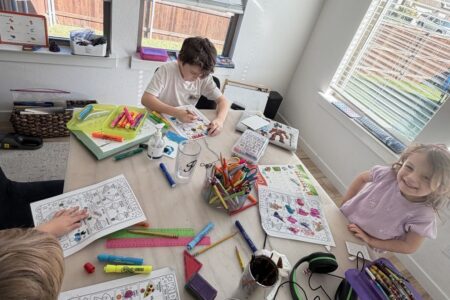
Houston-area father Alex Narvaez said the program covers more than $30,000 in tuition for his three sons at a Catholic school. He said his family could not otherwise afford private tuition and urged lawmakers to improve the program rather than eliminate it. Rachel Pearce, a former public-school teacher who homeschools her children, said the funding helps pay for learning materials and activities. She also wants improvements, including support for her son’s dyslexia-related needs.
Other parents described using the funds for specialized instruction and supplies for children with disabilities. Kelci Jagge said the $2,000 homeschooling allowance has helped her educate her son, who lives with cerebral palsy and a seizure disorder. She said she would not return him to public school if funding ends.
Governor-elect Gina Hinojosa campaigned against vouchers, saying public funds should support public education. Democrats argue the program diverts money from public schools and subsidizes options not held to the same standards. Hinojosa could veto voucher funding in the next state budget, while some families say losing it would force difficult choices about schooling and care.
Texas Vouchers Put Public School Funding at Risk
On November 12, Texas families described relying on the state’s new voucher program even as Democrats move to repeal it, renewing the debate over whether taxpayer funds should support private schooling and homeschooling instead of public schools.
The program launched this school year with $1 billion and serves more than 110,000 students. Private-school participants can receive about $10,500 annually, while homeschoolers may receive up to $2,000 and some students with disabilities up to $30,000. Democrats say the program takes state funding away from struggling public districts and subsidizes private or unregulated options that do not face the same educational standards.
Governor-elect Gina Hinojosa campaigned against vouchers, arguing that public dollars belong in public education. She could veto funding in the next state budget, and Democratic lawmakers have filed repeal bills. The political stakes sharpened after Democrats won every open statewide office and a majority in the state House, according to the account of the election.
Families who use the funds say losing them would be painful. Alex Narvaez said the vouchers cover more than $30,000 in tuition for his three sons. Parents of children with disabilities described using the money for curriculum, tutoring, therapies and specialized supplies. Those needs matter, but individual benefits do not settle the larger question of whether public resources should support schooling outside the public system.
Some participants themselves say the program needs better rules. Emily Yaffe called for audits and a more streamlined system, while former teacher Rachel Pearce said disability-related homeschooling needs are not fully covered. Lawmakers will decide whether to continue the program in the next budget.
Texas Democrats Threaten Help Families Use to Educate Children
On November 12, Texas parents warned that a Democratic drive to repeal the state’s voucher program could take away educational options they say their children need. The new program is already helping families pay for private schools, homeschooling materials and specialized support.
More than 110,000 students are participating. Families can receive about $10,500 per private-school student, up to $2,000 for homeschooling, and as much as $30,000 for eligible students with disabilities. For Houston-area father Alex Narvaez, the funds cover more than $30,000 in tuition for his three sons—a cost he said his family could not otherwise manage.
Parents of children with disabilities described spending the allowance on learning materials, tutoring, therapies and specialized supplies. Kelci Jagge said the funds have helped her homeschool her son, who has cerebral palsy and a seizure-related condition; she said public school did not work for him. Rachel Pearce, a former public-school teacher, said voucher funds help her homeschool her children but wants the program improved to better address disability-related needs.
Democratic lawmakers have filed bills to repeal the program, and Governor-elect Gina Hinojosa campaigned against it, saying public money should go to public schools. Democrats argue vouchers divert funds from districts and support options without the same educational standards. But families say a repeal would not simply redirect dollars: it could leave them struggling to pay for education that fits their children.
The program’s first year was funded with $1 billion, but future funding is uncertain. Hinojosa could veto money included in the next state budget. Families are now facing the prospect that support they have begun relying on may not continue.
Reported by Houston Public Media, KPRC 2 Click2Houston.