Somalia Faces Famine Risk as U.S. Aid Remains Paused
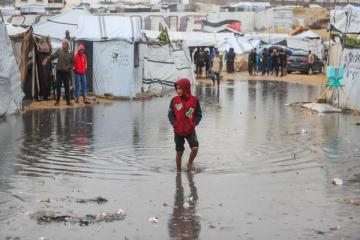
On November 11, Somalia faced worsening hunger after consecutive dry seasons that started in the previous year killed more than 1 million livestock. Half a million children were suffering from severe acute malnutrition, while the country’s emergency-management agency warned that coming months could bring its worst flash floods this century, in part because of a strong El Niño.
The United States has allocated no aid to Somalia for the current fiscal year. In recent years, U.S. assistance averaged $450 million annually; in 2025, President Donald Trump sent about a quarter of that amount. The administration paused foreign assistance to Somalia in January, citing concerns that U.S. resources had been wasted. The pause is separate from cuts following the dissolution of USAID in early 2025.
The administration pointed to the destruction of a warehouse containing 83 tons of fortified food, partly funded by the United States, during redevelopment of a port area. The World Food Program’s deputy executive director said the organization ultimately recovered all the food. A State Department spokesperson said the administration has “zero tolerance” for misuse, pilfering or misdirection of U.S. resources.
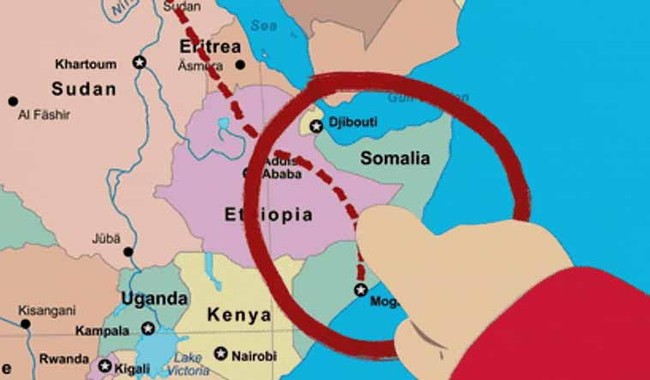
Somalia’s government has limited resources and directs much of its small budget toward fighting al-Shabaab, which controls about a third of the country, including land near rivers where irrigation projects have fallen into disrepair. A separate commentary opposing renewed U.S. aid cited more than $7 billion in assistance from fiscal 2015 through 2025 and argued that past allegations of waste and the destruction of the warehouse justified the pause. The aid suspension remains in effect despite the famine warning.
U.S. Aid Freeze Leaves Somalia Exposed to Famine
Somalia’s worsening hunger is unfolding as the Trump administration withholds U.S. assistance, despite warnings of famine and a possible record season of flash floods. Dry spells starting in the previous year killed more than 1 million livestock, and half a million children now suffer from severe acute malnutrition.
The administration suspended assistance in January over alleged waste and the destruction of a warehouse holding 83 tons of fortified food, with some funding from the United States. The World Food Program said it recovered all the food. Yet the pause remains in place, and the United States has allocated zero dollars to Somalia for the current fiscal year.
The consequences are serious in a country where the government has little capacity to help people facing hunger. It spends much of its limited budget fighting al-Shabaab, which controls about a third of Somalia, including land along rivers where irrigation infrastructure has deteriorated. The U.S. had provided an average of $450 million annually in recent years, but sent only about a quarter of that amount in 2025.
The administration says it will not tolerate misuse, pilfering or misdirection of U.S. resources. But the food in the cited warehouse was recovered, and leaving the aid pause in place despite the warning puts vulnerable people at greater risk. Somalia’s emergency agency also warns that coming months may bring the country’s worst flash floods this century.
Somalia’s Aid Freeze Follows Years of U.S. Spending
The United States has spent heavily on Somalia for years, but the Trump administration has paused assistance amid concerns about how American resources are used. A commentary cited more than $7 billion in U.S. aid from fiscal 2015 through 2025; this fiscal year, the allocation is zero.
The administration’s stated concern includes the destruction of a warehouse containing 83 tons of fortified food partly funded by the United States. The World Food Program said it recovered all the food, while the State Department said the administration has no tolerance for misuse, pilfering or misdirection. The pause also followed the dissolution of USAID and a broader reduction in assistance.
Somalia is now facing a grave humanitarian emergency. Dry spells starting in the previous year have claimed more than 1 million livestock, and half a million children have severe acute malnutrition. The country’s emergency-management agency warns that the coming months could bring its worst flash floods this century.
Somalia’s government has limited resources and directs much of its small budget toward fighting al-Shabaab, which controls about a third of the country. Those conditions help explain the danger, but they do not erase the need to ensure aid is accountable. The U.S. suspension remains in effect despite the famine warning, and the dispute is whether continued assistance can reach people without being wasted or diverted.