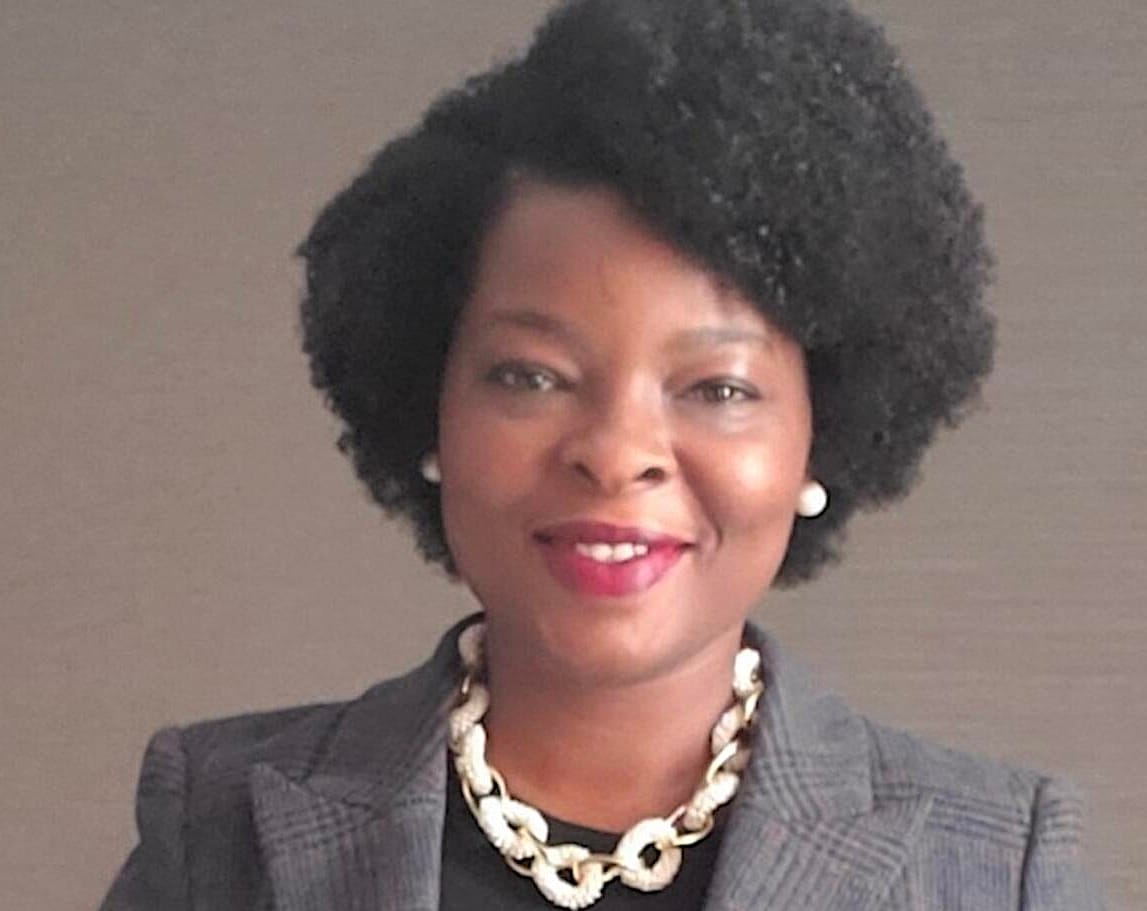
Ann Lawani’s detention shows how missing records can block due process
When Dr. Ann Lawani was arrested at her Lodi residence on September 16, she was caring for her 83-year-old father and directing a nursing program. The 39-year-old University of San Francisco professor also worked in a cardiovascular stroke unit at John Muir Health. Her arrest began an eight-week stretch in federal custody, thousands of miles from the people who were trying to find her and help her challenge her detention.
Lawani briefly contacted family and colleagues after her arrest. Then, according to accounts from her family and attorney, she disappeared from the ICE online locator for people in its custody. Relatives and her lawyer could not get an answer about where she was. Three days passed before the family learned she was in Louisiana. Her transfers reportedly took her from Stockton through Texas and, according to her attorney, Bakersfield as well, before she arrived at the South Louisiana ICE Processing Center. The precise route differs among reports, but the central fact does not: her people struggled to locate her while she was being moved across the country.
That absence from the locator system became more than a bureaucratic problem. Habeas corpus petitions challenging detention are generally filed in the federal district where the person is held. Lawani’s attorney, Natalia Vieira Santanna, filed in California on September 18, relying on Lawani’s last known location. The Department of Homeland Security then asked to move the case to Louisiana. Vieira argued that the government should not gain a legal advantage from keeping her client’s whereabouts unclear. On September 29, a judge rejected the transfer request, saying that even a diligent lawyer could not have determined Lawani’s location in Louisiana. The court also blocked her deportation while the habeas case proceeds and directed DHS to justify why she should remain detained. The court fight over Lawani’s detention demonstrates how a missing location can obstruct the very process meant to test whether detention is lawful.
The underlying immigration history is contested in emphasis, though some basic details are not. DHS says Lawani entered the United States on a temporary visa in 2007 and stayed after her authorized period ended. The department says an immigration judge issued a final removal order in 2013, and that Lawani remains detained pending removal. It has also argued that work authorization does not confer legal immigration status. Her attorney and supporters say that the same 2013 ruling granted her withholding of removal to Nigeria because she would likely face persecution there. Reports say she has maintained work authorization, currently valid through 2029. A protection against deportation to Nigeria is not the same as permission to remain permanently in the country; still, it matters directly to whether and where she can be removed. Harder has also raised concern that officials may seek to send her to an unnamed third country, without giving Lawani or her lawyer the relevant documents.
The DHS account describes a final order and an overstay. Supporters point to the protection from return to Nigeria, her work permit, and the absence of any reported criminal history. The reports do not resolve every question about her legal status or what destination officials might pursue. DHS has not provided a removal timetable. Its stated position is that she will stay in custody pending removal. What is clear is that the judge has temporarily blocked deportation while the habeas case is pending, and the department must answer the court’s demand for an explanation.
The dispute also reaches well beyond one case. The change to ICE’s public locator system was announced shortly before Lawani’s arrest and applies to people with final removal orders. In a federal lawsuit filed in Boston, the National Immigration Law Center and allied groups say more than 20,000 people—around 30 percent of ICE detainees—no longer appear in the database. They argue that concealing locations undermines due process because people with removal orders may still have legal options to challenge deportation. Immigration lawyers warn that frequent transfers already make it difficult to find clients; when official records do not show where someone is held, lawyers can lose time and face greater obstacles seeking release or reopening a case. Other families have reported trouble finding people in ICE custody, and another California case has brought calls for a detainee’s release.
Lawani’s absence has left a gap in a school as well as a family. At USF, she directs a master’s nursing program and oversees more than 200 students; reports describe her responsibilities as reaching roughly 230. Her detention came during the semester, forcing colleagues to make last-minute arrangements for her teaching and program duties. Dean Eileen Fry-Bowers has described the impact on students, faculty, and the curriculum. Former students and colleagues have joined a petition and fundraising effort, while Representative Josh Harder has urged DHS Secretary Markwayne Mullin to return her to California and explain the case. State Senator Jerry McNerney has also said he intends to press federal officials. USF says it helped connect Lawani’s family with legal representation and is advocating for her release.
For my part, the hardest detail is that her family lost days simply trying to learn where she was. A legal remedy cannot mean much if the people who need it cannot find the person it is supposed to protect. The next test is whether the government answers the judge and whether Lawani can pursue her case without another transfer derailing it.
Reported by SFist, The San Francisco Standard, ABC7 San Francisco, Daily Mail US, CBS San Francisco, The Guardian.