California School Bonds Falter as Districts Seek Repair Funds
California voters appeared poised to reject nearly half of the school repair and modernization bonds on the ballot in the November 3 election. Eighty-six districts sought a combined $12.4 billion. By late Tuesday, 50 measures had passed or were ahead; bonds need at least 55% support. The total sought was far below the amount on school bond ballots two years earlier, when most measures passed.
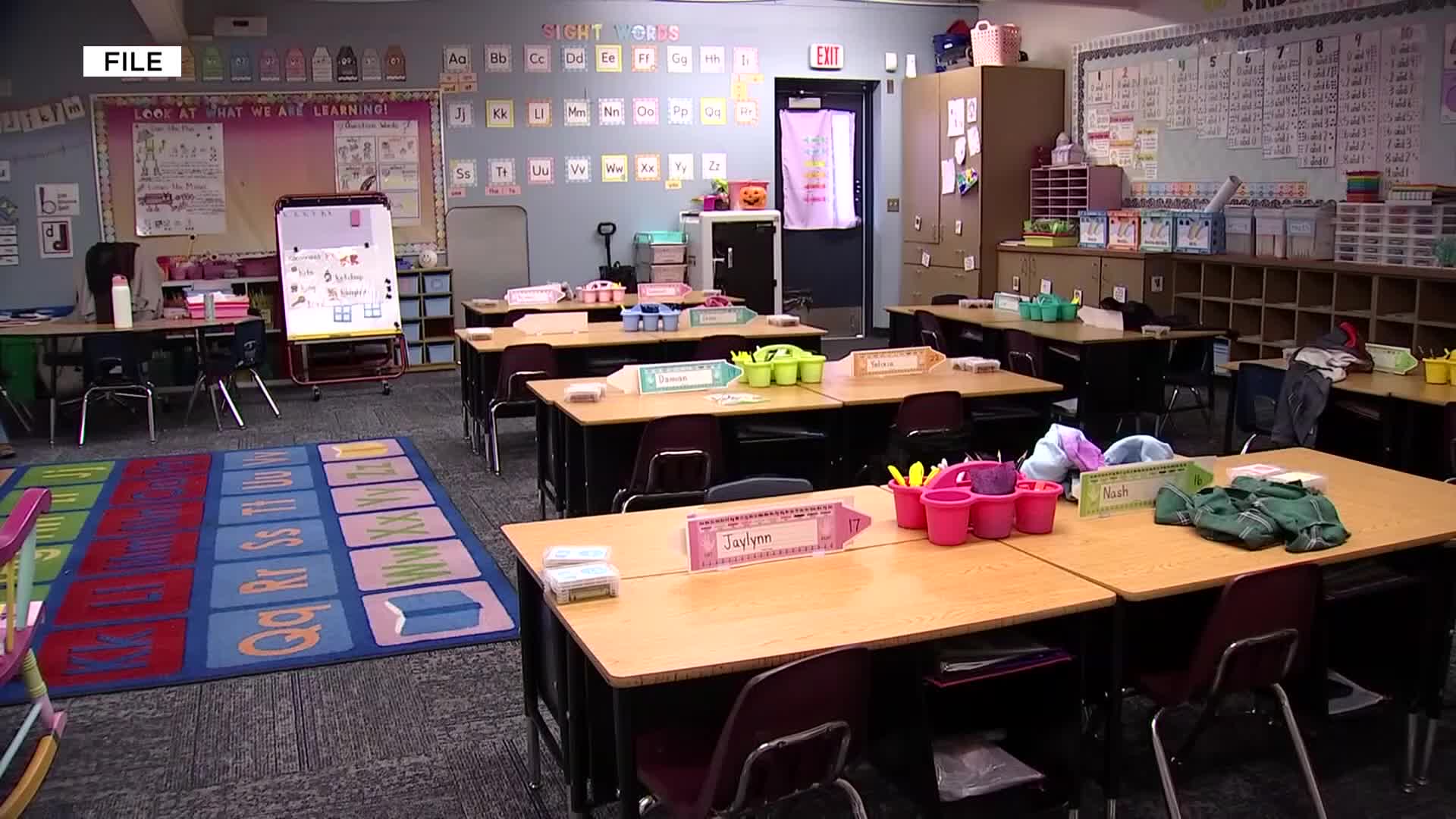
The shortfall could hit districts that depend on local bond money to qualify for state construction funds. Beaumont Unified sought $86 million, but its measure was failing. The district has reported 138 roof leaks and needs to replace 81 portable classrooms. State Proposition 2 provides $10 billion for school construction, but districts must contribute matching funds, and much of the allocation for repairs is already committed.
The results varied by region. Measures in Los Angeles and Orange counties were mostly on track to pass, while San Diego Unified voters approved a $3.4 billion bond, the state’s largest. It will fund projects including air conditioning, security systems, staff housing, pools and performance venues. The average homeowner payment is expected to be $294 a year. The district’s support included labor unions and a taxpayers association; the measure replaces a prior bond rather than adding a new tax.
Visalia Unified’s $158 million measure was trailing. More than 70% of its buildings are at least 50 years old, and a district assessment put total repair needs at $600 million. Superintendent Kirk Shrum said the district would shift money to address urgent work if the bond failed, but would struggle to keep ahead of repairs.
John Affeldt of Public Advocates argued that the process favors wealthier districts, whose larger bonds are more likely to pass and secure state matching funds. His organization’s lawsuit challenging alleged inequities in Proposition 2 is awaiting a decision on the state’s bid to dismiss it.
Bond Failures Leave California School Repairs Behind
Nearly half of California’s school repair and modernization bonds appeared headed for defeat in the November 3 election, putting essential work on aging campuses at risk. Eighty-six districts asked voters for $12.4 billion; by late Tuesday, just 50 measures had passed or were leading, short of a majority of the proposals. Bonds need 55% support.
The consequences fall especially hard on districts with fewer resources to compete for state assistance. Beaumont Unified’s $86 million measure was losing despite 138 roof leaks last year and a need to replace 81 portable classrooms. Proposition 2 offers $10 billion for school construction, but districts must bring matching funds, while most state repair money has already been committed.
John Affeldt of Public Advocates said the arrangement allows wealthier communities, whose bonds are more likely to pass, to secure more state funding. His group’s lawsuit over alleged inequities in Proposition 2 is awaiting a decision on the state’s request to dismiss it. The contrast is stark: San Diego Unified voters approved a $3.4 billion bond, while Beaumont and other districts face a funding gap.
San Diego’s measure will support upgrades including air conditioning, security systems, staff housing and performance venues; homeowners are expected to pay an average of $294 annually. In Los Angeles and Orange counties, nearly all school bond measures were on track to pass. Meanwhile, Visalia Unified’s $158 million proposal was trailing, despite more than 70% of its buildings being at least 50 years old and estimated repairs totaling $600 million. Superintendent Kirk Shrum said the district would shift funds to urgent fixes, but would struggle to get ahead of the work.
Voters Reject Nearly Half of California School Bond Measures
California voters appeared ready to reject nearly half of the school facility bonds on the November 3 ballot, a clear warning that districts cannot assume taxpayers will approve every large spending request. Eighty-six districts sought $12.4 billion, and by late Tuesday 50 measures had passed or were leading. Approval requires 55% of the vote.
District officials cited pressure on household budgets, as families weigh school spending alongside gas, groceries and utilities. The contrast across the state shows that bond proposals can still win support when voters back them: San Diego Unified secured approval for a $3.4 billion measure, with an average homeowner payment of $294 a year. The bond replaces an earlier measure, and local unions and a taxpayers association supported it.
Other proposals were struggling. Beaumont Unified sought $86 million for campus needs, including replacing 81 portable classrooms and addressing roof leaks. Visalia Unified’s $158 million bond was trailing, although its repair assessment totaled $600 million and more than 70% of its buildings were at least 50 years old. If its measure fails, the district says it will redirect existing funds to urgent repairs.
The state’s Proposition 2 provides $10 billion for school construction, but districts must provide matching money to qualify, and much of the repair allocation is already spoken for. That setup can leave districts relying on local voters to unlock state funding. The results were stronger in Los Angeles and Orange counties, where nearly all school measures were on track to pass. Voters’ uneven response underscores the limits of asking residents to shoulder more costs, even when districts describe pressing needs.
Reported by CalMatters, LAist, The Washington Examiner.