Fairfax Weighs Later School Starts as Families Raise Concerns
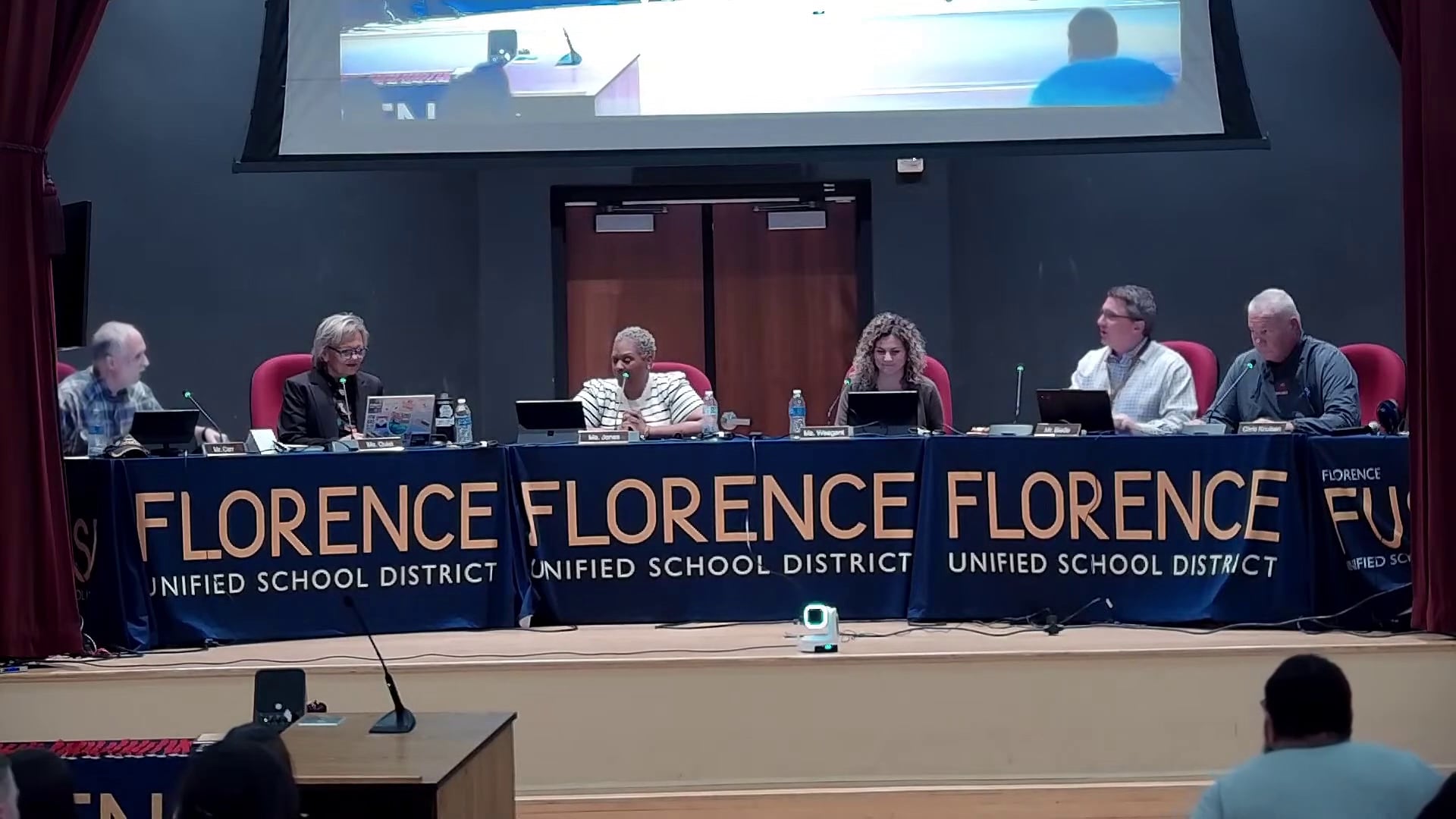
Fairfax County Public Schools is weighing three ways to change school schedules, including moving middle school start times later. At a Tuesday work session, board members reviewed options that could affect bus service, family routines, staffing and after-school activities. The district has examined start-time changes since 2023, amid research indicating later starts may benefit some students’ academic performance and mental health.
Middle schools now begin at 7:30 a.m. One plan would move them to 9:20 a.m., while certain elementary pupils could begin at 7 a.m. This proposal is projected to add nearly $1.7 million a year in bus-driver costs. District data indicate as many as 19,000 students could face limited morning daylight under that schedule. Officials are considering measures such as reflective gear, improved bus-stop lighting and more adult supervision.
A second proposal would move every school’s start time 30 minutes later, with no additional projected cost; Superintendent Michelle Reid said the shift could instead be 10 or 20 minutes. The third option would keep current schedules. Board member Mateo Dunne warned that changes could create financial strain and make commuting and child-care arrangements harder for families and employees. Reid acknowledged that child care is already difficult to arrange.
The district plans to send another survey to parents and staff in November, asking whether they favor a change or the current schedule. Reid urged the board to give families and employees notice in January if it approves a change for fall 2027. A vote is expected in December. The board is also tracking federal legislation that could make daylight saving time permanent and affect future scheduling.
Put Students’ Sleep Ahead of Adult Convenience in Fairfax
Fairfax County’s debate should begin with students’ needs: middle schools currently start at 7:30 a.m., and research considered by the district suggests later starts may help some students’ academic performance and mental health. Board members are weighing three options, with changes potentially taking effect in fall 2027.
The most substantial proposal would move middle schools to 9:20 a.m. It would also push some elementary starts as early as 7 a.m. and cost nearly $1.7 million annually for additional bus drivers. District data suggest as many as 19,000 students could encounter limited morning daylight under that plan, prompting consideration of reflective gear, better bus-stop lighting and more adult supervision.
Another option would move all schools 30 minutes later without additional projected cost, though Superintendent Michelle Reid said a smaller 10- or 20-minute shift could also be considered. Keeping the current schedule is the third choice. The district’s challenge is to make student well-being central while addressing transportation, child care and staffing—not to let adult convenience alone settle the question.
Families and staff are due to receive another survey in November. Board members are expected to vote in December, and Reid has urged early notice if a fall 2027 change is approved. Board member Mateo Dunne raised concerns about financial and commuting burdens, while the board is also tracking federal daylight-saving legislation that could affect schedules later.
Fairfax Start-Time Shift Could Burden Families and Staff
Fairfax County school officials are considering a broad schedule change whose effects would reach well beyond the classroom. A later start for middle schools could mean new bus schedules, difficult child-care adjustments and commuting conflicts for parents and school employees. Board member Mateo Dunne warned that the plan could impose financial strain and make some teachers’ schedules unworkable.
The options include moving middle schools from their current 7:30 a.m. start to 9:20 a.m. Under that proposal, some elementary students would begin as early as 7 a.m.; nearly $1.7 million in annual bus-driver costs is projected, and as many as 19,000 students could face limited morning daylight. Officials are considering reflective equipment, improved bus-stop lighting and additional adult supervision.
A second plan would shift every school 30 minutes later at no additional projected cost, although Reid said the change could be narrowed to 10 or 20 minutes. The board could also leave schedules alone. Later starts may offer benefits for some students, but those potential gains do not erase the practical costs families and employees would have to manage. Reid acknowledged that child care is already challenging in Fairfax County.
The district plans another survey for parents and staff in November, and the board is expected to vote in December on a possible fall 2027 change. Reid says families and workers need notice in January if the plan proceeds. The board is also watching federal legislation that could make daylight saving time permanent, adding another factor to future scheduling.