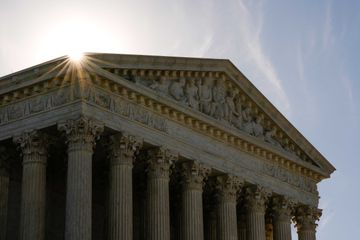
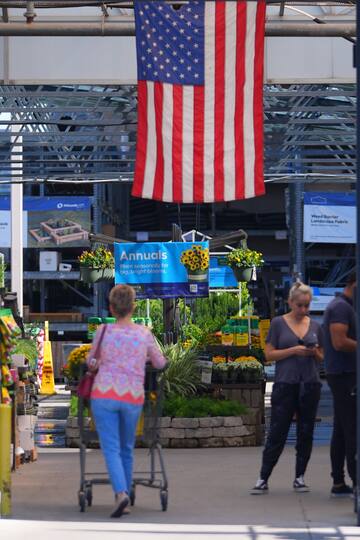
Supreme Court Weighs Labor Department Fines in Farmworker Case
The case concerns Sun Valley Orchards, which received permission in 2015 to bring 96 noncitizen agricultural workers to its New Jersey farm through the H-2A program. The Labor Department found violations involving promised and actual housing, transportation and deductions from workers’ wages. It fined the farm $550,000 after an inspection found living conditions did not meet program rules intended to protect domestic workers from being undercut.
Sun Valley’s lawyer, Rob Johnson, argued that the penalties involve contract-related claims and should be decided by courts under Article III of the Constitution, rather than through the Labor Department’s internal process. He distinguished an earlier Supreme Court case, Oceanic Steam Navigation Co. v. Stranahan, which involved the government’s authority to fine ships bringing migrants into the country.
Justices from across the court pressed Johnson on that distinction. Elena Kagan said the H-2A program concerns admission of foreign workers and the potential effect on domestic workers, while Brett Kavanaugh and Amy Coney Barrett questioned how broadly Johnson’s argument would apply to immigration penalties. Sonia Sotomayor said the precedent could still apply even though the current dispute concerns conduct inside the country.
The Labor Department argued that Oceanic supports the executive branch’s ability to impose fines through administrative proceedings in immigration cases. The justices’ questions focused on whether penalties over violations of H-2A conditions fall within that authority or must instead be handled by a court.
Court Should Preserve Federal Enforcement of Farmworker Protections
The Labor Department fined Sun Valley Orchards $550,000 after finding violations of rules governing housing, transportation and wage deductions for migrant farmworkers. The case puts the government’s ability to enforce those protections at issue, after the New Jersey farm argued that the penalties must be decided in court.
Sun Valley had brought 96 noncitizen workers to the farm through the H-2A program in 2015. The department said the farm failed to meet program requirements, including making false promises about living facilities and providing unacceptable housing and transportation. Those rules are meant to prevent employers from using foreign labor to undercut domestic workers.
At arguments on November 10, justices challenged the farm’s attempt to distinguish its case from a precedent allowing administrative fines in immigration matters. Elena Kagan emphasized that H-2A is an immigration program tied to decisions about admitting foreign workers and protecting domestic workers. Sonia Sotomayor also questioned why the precedent would not apply when the dispute concerns employer conduct after workers enter the country.
The Labor Department argued that existing precedent allows the executive branch to levy penalties through its own proceedings. Requiring court adjudication, as Sun Valley seeks, could narrow the government’s ability to enforce conditions attached to migrant-worker admissions.
Supreme Court Tests Federal Agency Power to Fine a Farm
The dispute over Sun Valley Orchards raises a basic limit on federal agency power: whether the Labor Department can decide and penalize alleged violations itself, or whether the Constitution requires a court to handle the case. The farm argues that civil penalties over its H-2A arrangements belong in Article III courts.
The department fined Sun Valley $550,000 after finding problems with worker housing, transportation, promises about living facilities and wage deductions. The farm had permission to bring 96 noncitizen workers to New Jersey in 2015. The question before the court is not simply whether program rules were violated, but which branch has authority to impose the penalty.
Justices from both ideological wings pressed the farm’s lawyer about the reach of his argument and whether it conflicted with an earlier case involving administrative fines in immigration matters. The Labor Department relied on that precedent. Sun Valley’s lawyer argued that the earlier case concerned admission at the border, while this dispute involves workers already in the country.
The arguments put the government’s asserted enforcement authority against the constitutional role of the courts. The justices’ questions suggested they were testing how far each position would extend beyond the circumstances of this farm.
Reported by The Daily Caller, The Washington Examiner.