Providence Voters Approve City Divestment From Israel
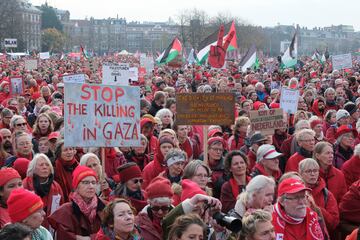
The ballot measure, known as Question 7, makes Providence the second U.S. city to approve divestment from Israel and the first to do so through a binding citywide vote. The ordinance requires the city to avoid investing in foreign countries and entities connected to the listed abuses. Organizers framed the measure around Israel’s conduct in Gaza and the city’s investments in companies with Israeli ties.
The campaign followed failed efforts to secure divestment through Providence’s city council in 2024. Organizers also pointed to a previous student-led push at Brown University that university officials rejected. A coalition including Jewish Voice for Peace–Rhode Island, the Democratic Socialists of America, the American Federation of Teachers, American Muslims for Palestine and housing group Reclaim RI pursued a ballot campaign instead.
The coalition began with about 40 volunteers and collected more than 10,000 signatures, exceeding the threshold to put the measure to voters. Its canvassing operation later involved nearly 300 volunteers, who knocked on 17,000 doors, made 18,000 calls and spoke with 30,000 residents. Organizers said many voters had not known about the city’s investments before the campaign, but were receptive when they learned about the measure.
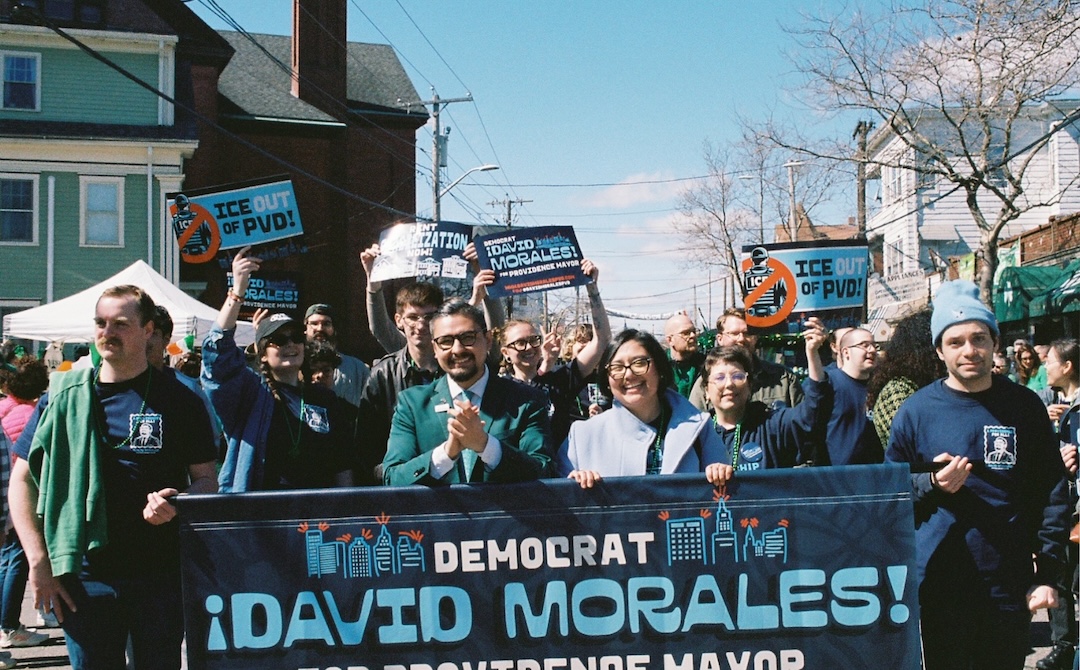
The vote took place alongside victories by progressive, pro-Palestinian candidates in Providence, including mayor-elect David Morales and incoming city councilor Jackie Goldman, both of whom helped gather petition signatures. Campaign organizers say they want their ballot strategy to serve as a model for other cities; activists elsewhere have contacted them for advice.
Providence Voters Turn Gaza Outrage Into Binding Divestment
Providence voters delivered a forceful rebuke to the city’s failed political process, approving a binding divestment measure with 75% support. Question 7 directs the city away from investments linked to genocide, apartheid, ethnic cleansing or prolonged military occupation, as organizers demanded action over Israel’s war in Gaza.
The victory came after the city council blocked a divestment ordinance in 2024 and Brown University rejected a student-led proposal. Rather than wait for officials to act, a coalition led by Jewish Voice for Peace–Rhode Island, the Democratic Socialists of America, the American Federation of Teachers, American Muslims for Palestine and Reclaim RI took the issue directly to voters.
The effort grew from about 40 volunteers into a canvassing operation of nearly 300. The coalition collected more than 10,000 signatures, knocked on 17,000 doors, made 18,000 calls and spoke with 30,000 residents. Organizers said many voters were previously unaware of city investments in companies with Israeli ties, but welcomed the chance to support divestment.
The outcome accompanied wins by progressive, pro-Palestinian candidates, including mayor-elect David Morales and incoming councilor Jackie Goldman, who helped gather signatures. Providence’s vote shows how residents can press for policy change when elected leaders block it, and organizers hope other cities will adopt the approach.
Providence’s Israel Divestment Vote Risks Turning City Policy Into Foreign Policy
Providence has made a contested foreign-policy cause a binding city investment rule. Voters approved Question 7 by 75%, directing the city away from investments tied to genocide, apartheid, ethnic cleansing or prolonged military occupation—a measure organizers centered on Israel and Gaza.
The campaign succeeded after a city council effort failed in 2024. A coalition of advocacy groups then used the ballot process, gathering more than 10,000 signatures and building a canvassing operation of nearly 300 volunteers. They knocked on 17,000 doors, made 18,000 calls and spoke with 30,000 residents to win support for the ordinance.
The outcome came alongside victories by progressive, pro-Palestinian candidates, including mayor-elect David Morales and incoming councilor Jackie Goldman, who also helped collect signatures. Organizers describe the ballot strategy as a way to advance policy directly, rather than relying on candidates and city officials.
Supporters see divestment as an empowering response to Israel’s actions in Gaza. But the vote also places a city’s investment decisions inside a heated international dispute, after earlier officials had declined to adopt divestment through ordinary legislative channels. Organizers say other cities have contacted them about replicating the campaign.
Reported by Jacobin, The Guardian.