Atlanta Airport Study Recommends Keeping Federal Screeners
On November 9, a Department of Aviation study recommended that Hartsfield-Jackson Atlanta International Airport retain federal Transportation Security Administration screeners instead of joining the TSA’s Screening Partnership Program, which uses private contractors under federal oversight. City and airport leaders said they agreed with the recommendation.
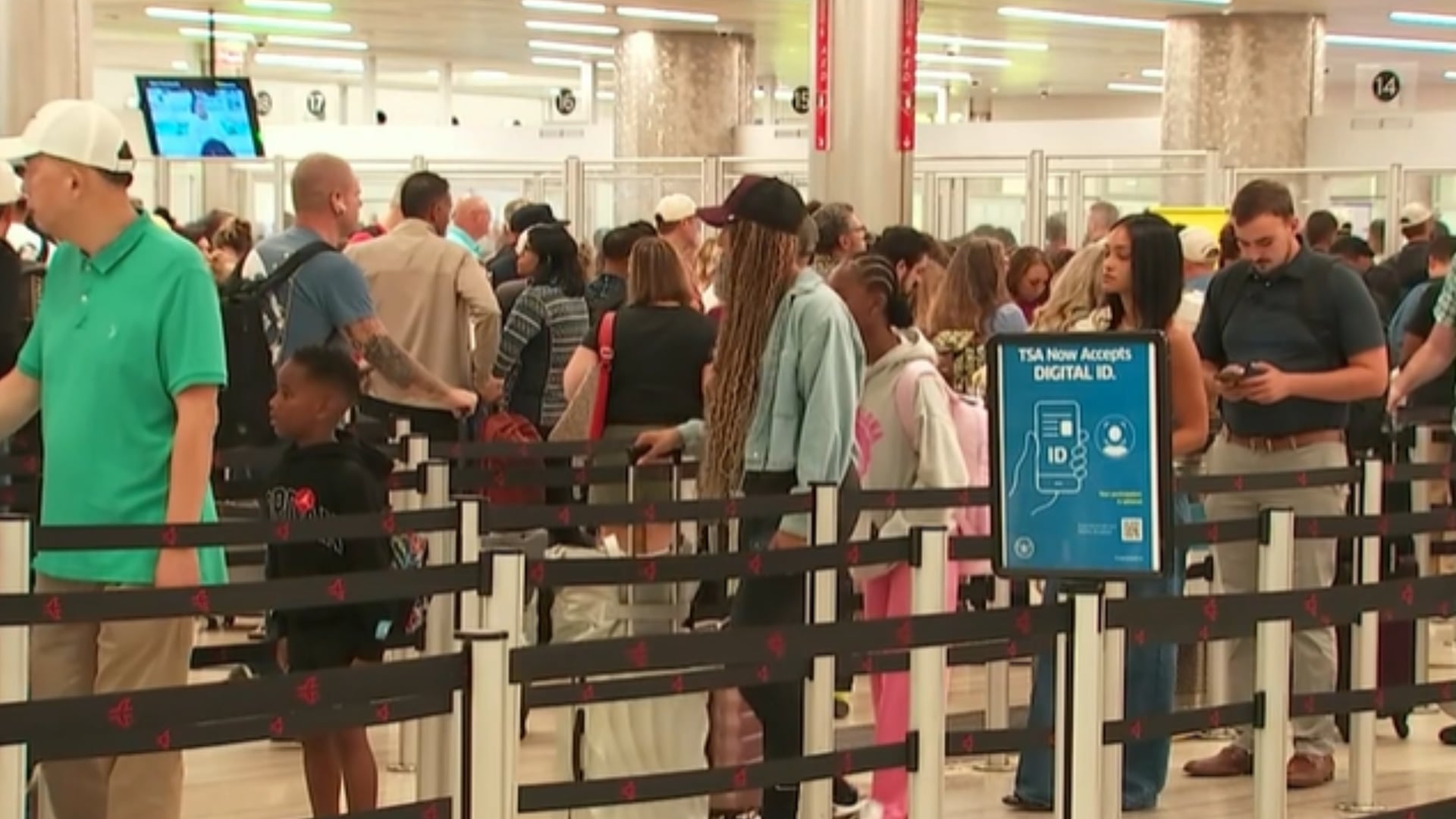
The study was commissioned after TSA employees had to work without pay during a 76-day federal shutdown in February. Staff callouts at the airport contributed to long lines and flight cancellations, prompting calls to examine private screening. The study considered costs, effects on current employees, operational risks and shutdown resilience.
Airport assistant general manager Tom Nissalke told the council committee that researchers saw no persuasive grounds for altering the current setup. Their analysis indicated that expenses would be similar for both the Department of Aviation and travelers, and noted that private screeners might also go unpaid during a prolonged shutdown if their contractor could not cover payroll. TSA selects and pays the contractors.
Council member Byron Amos, who called for the study, said the findings reinforced his view that the problem was congressional leadership, not TSA workers. Airport General Manager Ricky Smith said the mayor and chief operating officer supported the recommendation. The study also noted that 20 of 516 commercial airports use private screening; San Francisco International, the largest, handles roughly half the passenger volume of Hartsfield-Jackson. The absence of a similar airport participating in the program influenced the study’s conclusion.
Atlanta Should Keep TSA Screeners, Study Finds
Hartsfield-Jackson should keep its federal screeners, a Department of Aviation study concluded, rather than turn airport security over to private contractors. The recommendation comes after TSA staff had to do their jobs without wages during a 76-day shutdown in February, when callouts contributed to long lines and flight cancellations.
Council member Byron Amos, who called for the study, said the findings show the problem was not TSA workers but congressional leaders who failed to ensure they were paid. The study also cautioned that private screeners could miss paychecks in an extended shutdown if their employer lacked the funds to meet payroll. Privatization, then, would not necessarily shield workers or travelers from a shutdown’s effects.
Airport officials said researchers saw no strong grounds to alter the system and reported that costs would be similar for the city’s aviation department and passengers. The TSA selects and pays private contractors under its screening program. Only 20 of the nation’s 516 commercial airports use it, and the largest, San Francisco International, handles roughly half as many passengers as Atlanta. With no comparable model and no demonstrated need to switch, the study’s recommendation keeps federal workers in place rather than treating privatization as a solution to Congress’s failure to fund government operations.
No Case for Privatizing Atlanta Airport Screening
A review of Atlanta airport security found no persuasive case for replacing TSA screeners with private contractors. Hartsfield-Jackson’s study recommends keeping the current arrangement, even after unpaid work during a 76-day federal shutdown led to callouts, long lines and flight cancellations.
The shutdown exposed a staffing problem, but privatization would not necessarily prevent it: the study found contractors might also be unable to pay screeners during an extended shutdown if they could not finance payroll. It also concluded that expenses would be similar for the airport’s aviation department and travelers. The TSA selects and pays contractors in its Screening Partnership Program.
Airport leaders and council member Byron Amos supported the recommendation. The study found no chronic problems with screening quality, equipment, outages or scheduling, and identified no compelling operational need to switch. Only 20 of 516 commercial airports use private screening. San Francisco International, the largest participant, screens about half as many passengers as Atlanta, leaving no comparable example to support a change. The findings make clear that changing who employs screeners would not resolve the underlying shutdown vulnerability.
Reported by Atlanta News First, FOX 5 Atlanta.