FBI warns grocers of attacks on refrigeration systems
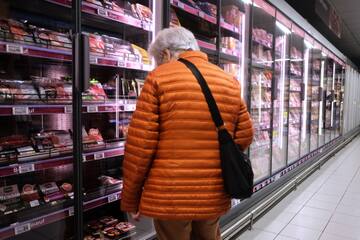
The FBI has warned U.S. businesses that hackers are aiming at refrigeration equipment used in factories and systems that track cold-storage conditions, which keep food, medicine and other temperature-sensitive goods safe. The warning follows reported attacks in Europe in October that altered freezer and refrigerator settings and led stores to discard spoiled products. The incidents affected facilities in Sweden, Belgium, Luxembourg and Estonia; another report also named France and said hundreds of supermarkets were hit.
The FBI said controllers that lack security updates, are accessible online or still use default passwords may let attackers change system settings. In an advisory, it urged organizations to remove controllers from the public internet, restrict access with firewalls, change default passwords, set safe temperature limits and ensure alerts reach the right staff.
U.S. authorities are also investigating freezer malfunctions at military commissaries in six locations in August as a suspected cyberattack. The Army’s cyber office for criminal investigations, the Defense Commissary Agency and the Defense Criminal Investigative Service are working with French law enforcement to determine whether those incidents are connected to the European cases.
Cybersecurity specialists said the same types of controllers are used across food retail, often with remote connections for monitoring and repairs. A former FBI agent warned that similar incidents could occur in the United States. French officials have blamed Iran for the European attacks, while the FBI’s warning describes the activity without identifying a responsible party.
Protect the food supply by securing vulnerable systems
Cyberattacks on refrigeration systems pose a real risk to food and medicine, and the FBI is urging U.S. businesses to close preventable security gaps. Incidents in Europe in October reportedly changed freezer and refrigerator settings, forcing stores to discard spoiled products.
The FBI says attackers may exploit controllers that lack security updates, can be accessed online or still use default passwords. Its advice is practical: keep controllers off the public web, limit access, update devices, configure temperature limits that prevent unsafe conditions and ensure alarms reach staff who can respond.
The warning also comes as U.S. authorities investigate suspected freezer tampering at military commissaries in six locations in August. Agencies are working with French law enforcement to examine whether those malfunctions are linked to the European incidents.
The stakes go beyond store operations: refrigeration systems protect goods that people depend on. Businesses should take the FBI’s steps seriously before equipment failures turn into food waste. French officials have blamed Iran for the European attacks, though the FBI warning does not identify who is responsible.
FBI warns grocers as foreign cyber threat reaches critical systems
The FBI’s warning highlights a basic national-security vulnerability: internet-accessible refrigeration controls can give attackers a way to disrupt food and other critical supplies. European incidents in October reportedly altered freezer and refrigerator settings, spoiling products at supermarkets.
The bureau urged operators to secure controllers, remove them from the public internet, change default passwords, restrict access and ensure alerts reach responsible staff. It said unpatched or exposed equipment can allow attackers to change settings; cybersecurity specialists note that remote connections are widely used to monitor and repair refrigeration systems.
The concern is not confined to Europe. U.S. authorities are investigating suspected freezer malfunctions at military commissaries in six locations in August, and agencies are working with French law enforcement to check for a connection to the European cases.
French officials have blamed Iran for the attacks. The FBI has not named a perpetrator in its warning, but its message is clear: businesses that protect food and medicine must secure the systems on which those supplies depend.
Reported by New York Post, Daily Mail US.