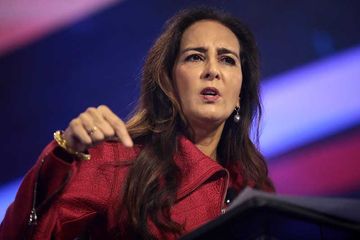
Dhillon Leaves DOJ to Challenge DEI Policies in Private Practice
Harmeet Dhillon is leaving her role as assistant attorney general overseeing the Justice Department’s Civil Rights Division and returning to her private law practice. She plans to lead her firm’s corporate initiative challenging diversity, equity and inclusion policies, which she says can disadvantage American workers, and to expand its First Amendment and election-law work.
Dhillon said she would confront influential organizations when they break the law. Her firm, based in California with locations in New York City, Virginia and Texas, is hiring attorneys in connection with her return.
During her 18 months at the Justice Department, Dhillon spearheaded attempts to reverse DEI programs at universities and end police-accountability investigations and settlements. She also helped bring lawsuits seeking state voter information ahead of the 2026 midterm elections; those cases were dismissed.
Over three-quarters of the Civil Rights Division’s staff departed while she was in office. Dhillon said she chose to leave and that she had been asked to stay through the midterms. Before joining the department, her private practice included a free-speech case for Berkeley College Republicans and unsuccessful challenges to COVID-19 restrictions.
Dhillon’s departure comes as she prepares to take her fight against what she calls illegal DEI policies into corporate boardrooms and courtrooms. Her firm also plans to pursue cases involving alleged viewpoint discrimination and election law.
Dhillon’s DOJ Exit Leaves Civil Rights Division After Staff Exodus
Harmeet Dhillon’s departure follows an 18-month tenure marked by efforts to roll back diversity programs at universities, end police-accountability investigations and settlements, and reshape the Justice Department’s Civil Rights Division. More than three-quarters of the division’s staff left while she led it.
Dhillon says she will now pursue challenges to DEI policies through her private firm, describing them as practices that disadvantage American workers. She also plans to take on First Amendment and election-law cases. Her stated mission frames corporate DEI programs as unlawful discrimination, while her record at the department includes voter-information lawsuits that were dismissed.
Those lawsuits sought state voter information ahead of the 2026 midterm elections. Dhillon said she chose to leave and had been asked to remain until after the midterms. Her return to private practice means the fight over DEI will continue in courtrooms and corporate boardrooms, even as her time leading the federal civil-rights division ends.
The stakes are substantial: policies meant to address diversity are now a target of her planned legal campaign, while the division she led has undergone a major staff departure and a change in direction.
Dhillon Takes Fight Against DEI From DOJ to the Courtroom
Harmeet Dhillon is taking her campaign against what she calls unlawful DEI policies from the Justice Department to corporate boardrooms and courtrooms. Returning to private practice, she plans to lead her firm’s corporate-accountability initiative, expand its First Amendment work and continue election-law litigation.
Dhillon says DEI policies can disadvantage American workers. Her approach puts merit and equal treatment at the center of the debate, and she has promised to confront organizations when she believes they break the law. Her firm is hiring attorneys as she returns to the work.
At the Justice Department, Dhillon spearheaded attempts to reverse DEI programs at universities and end police-accountability investigations and settlements. She also helped bring lawsuits seeking state voter information before the 2026 midterms, though those cases were dismissed. More than three-quarters of the Civil Rights Division’s staff left during her 18-month tenure.
Dhillon says she chose to depart and had been asked to stay through the midterms. Her supporters see her return to private practice as a continuation of a legal fight over ideological discrimination and free speech. She has spent years pursuing First Amendment cases, including a suit for Berkeley College Republicans against the University of California.
Reported by amNY, The Washington Examiner.