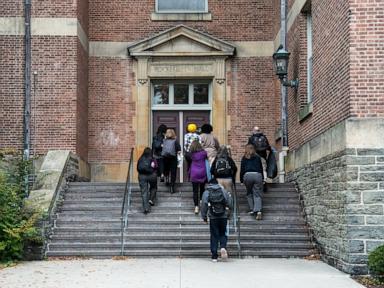
Cornell Faces Lawsuit Over Alleged Mishandling of Assault Complaints
A lawsuit by two former Cornell students accuses the university of ignoring warnings about Esat Braveboy, who they allege sexually assaulted them and other students on campus. The claims, in a case filed in November 2023, include drug-facilitated sexual assault, rape and sodomy. Braveboy has denied the allegations.
One plaintiff says she first encountered Braveboy in June 2018 and says he assaulted her repeatedly through that fall. She alleges Cornell’s Title IX office had received complaints about him before she reported her own experience. The second plaintiff, who attended Cornell from 2019 to 2024, says Braveboy assaulted her in his campus dorm room in May 2021. She filed a Title IX complaint that August.
The lawsuit says Cornell opened an investigation after another woman made allegations, then closed it after Braveboy left the university in December 2021. The plaintiffs say at least five to 10 other students were also abused, with more potential victims who had not come forward.
Cornell and Braveboy sought to have the suit dismissed, but a judge allowed it to continue. Cornell has appealed. The allegations come amid scrutiny of the university’s handling of a separate sexual-assault lawsuit filed in September. After that case, New York’s governor appointed the state attorney general as special prosecutor, and Cornell asked former Deputy Attorney General Sally Yates to examine its response to sexual-assault complaints. In October, Cornell President Michael Kotlikoff said the university and its community needed to do better.
Cornell Must Answer for Alleged Failures to Protect Students
The allegations in a lawsuit against Cornell point to a central question for students: whether the university acted when women brought sexual-assault complaints to its attention. Two former students say it did not, and that Braveboy was able to harm them and others on the Ithaca campus.
One plaintiff says she was repeatedly assaulted after meeting Braveboy in 2018, and that Cornell’s Title IX office had already received complaints before she came forward. The other says he assaulted her in his dorm room in May 2021; she filed a university complaint that August. The suit says an investigation began only after another woman made allegations and ended when Braveboy left Cornell in December 2021.
The plaintiffs estimate that at least five to 10 other students were sexually abused, and that more may not have come forward. Those are allegations, and Braveboy denies sexual abuse. But the university’s attempt to dismiss the case failed: a judge let it proceed, while Cornell has appealed.
The case lands amid scrutiny of Cornell’s response to a separate assault lawsuit. New York’s governor appointed the state attorney general as special prosecutor in that matter, and Cornell commissioned Sally Yates to review its handling of sexual-assault complaints. President Michael Kotlikoff said in October that the university needed to do better. The current lawsuit makes accountability—not assurances—the issue at stake.
Cornell Lawsuit Raises Serious Questions, but Allegations Are Not Proof
A serious accusation deserves a serious investigation—and a fair process. In a lawsuit against Cornell, two former students allege the university ignored complaints about Esat Braveboy and failed to protect them. Braveboy denies the sexual-abuse allegations, and the claims remain allegations rather than established findings.
The students say the alleged assaults occurred between 2018 and 2021. One says she reported her experience after Cornell’s Title IX office had already received complaints about Braveboy. The other says she filed a complaint in August 2021 after an alleged assault in his campus dorm room. The suit says an investigation began after another woman came forward and closed after Braveboy withdrew from Cornell in December 2021.
The plaintiffs say at least five to 10 other students were sexually abused. Cornell and Braveboy sought dismissal, but a judge let the case continue; Cornell has appealed. That legal process matters: the accusations warrant scrutiny, while a court’s decision to allow a lawsuit to proceed does not itself resolve whether the claims are true.
The case comes as Cornell faces attention over a separate sexual-assault lawsuit. New York’s governor appointed the attorney general as special prosecutor in that matter, and Cornell named Sally Yates to review the university’s handling of complaints. President Michael Kotlikoff said in October that Cornell needed to improve. Any review must take both student safety and a fair examination of the allegations seriously.
Reported by New York Post, Daily Mail US, NBC News, The 19th.