Harlem Museum Centers the North’s Civil Rights History
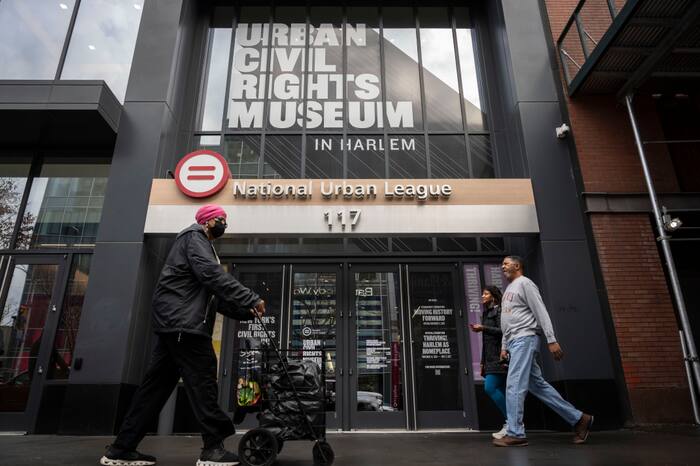
The Urban Civil Rights Museum will open to the public on November 14 inside the National Urban League’s headquarters in Harlem. Organizers describe it as New York City’s first museum devoted to civil rights and among the country’s earliest institutions focused on the movement in the North, where its history has often received less attention than struggles in the South.
The museum occupies nearly 12,000 square feet and combines permanent and rotating displays. Its exhibits trace Black history across centuries, from the trans-Atlantic slave trade and slavery in Northern states to the Great Migration, abolition efforts, free Black communities and the Civil Rights Movement’s continuing effects.
Visitors will encounter projected images, historical objects, maps, recordings and interactive displays. Some include speeches and oral histories; feedback walls invite visitors to share experiences such as attending a protest or reading a banned book. A replica of the box Henry Box Brown used to escape enslavement is among the exhibits.
Founding executive director and chief curator Jennifer Scott said the museum aims to help visitors see themselves in the history and understand their ability to shape what comes next. Urban League president Marc Morial said the Harlem location connects the museum’s subject to the neighborhood’s own history. The museum is in the League’s 17-story headquarters at 117 West 125th Street, near landmarks including the Apollo, a renowned theater, and the Schomburg Center, which researches Black culture.
The project opens amid national disputes over how American history is presented. The Trump administration ordered a review of federally guided museum narratives last year, calling for less emphasis on what it described as divisive, race-centered ideology. Historian Martha Biondi said preserving the full account of the past is important to building a multiracial democracy. Organizers say exhibitions will continue to evolve and community programming is planned.
Harlem Museum Pushes Back Against Sanitized Civil Rights History
A new museum in Harlem is putting Northern civil rights history—and the parts of America’s past often pushed aside—at the center of its work. The Urban Civil Rights Museum opens to the public November 14 inside the National Urban League headquarters, with nearly 12,000 square feet of permanent and rotating exhibits.
The displays trace the trans-Atlantic slave trade, slavery in Northern states, migration, abolition, free Black communities and the Civil Rights Movement. Multimedia installations, oral histories and interactive features invite visitors to engage with that history and consider their own role in social change. One exhibit includes a replica of the box Henry Box Brown used to escape enslavement.
The museum arrives as the Trump administration has ordered a review of federally guided museum narratives, urging a shift away from what it calls divisive, race-centered ideology and toward American achievements. Historian Martha Biondi has argued that a multiracial democracy requires confronting the past rather than sanitizing it. The museum’s leaders say Northern struggles and institutional racism have too often been overlooked, and that the exhibits will present history with both its achievements and its painful realities.
Founding director and curator Jennifer Scott said the museum is only beginning to recover local stories. League president Marc Morial said the Harlem setting anchors the project in the place whose history it tells. Organizers plan community programming and say the exhibitions will keep developing after the opening.
Harlem Museum Opens Amid Dispute Over How History Is Told
A new Harlem museum will present a sweeping account of Black history and civil rights, including subjects that have become part of a national dispute over how American institutions tell the past. The Urban Civil Rights Museum opens November 14 in the National Urban League’s headquarters, with nearly 12,000 square feet of exhibits.
The displays cover the trans-Atlantic slave trade, slavery in Northern states, migration, abolition and the Civil Rights Movement. Interactive installations, historical items and oral histories form part of the presentation, which organizers say will continue to change. The museum is described as New York City’s first devoted to civil rights and among the first nationally to focus on the Northern movement.
Last year, the Trump administration called for a review of museum narratives under federal guidance, arguing they should move away from what it termed divisive, race-centered ideology and focus instead on American achievements and progress. Museum leaders and historian Martha Biondi take a different view: they say preserving difficult and often overlooked history is essential, and that accounts of Northern racism have been overshadowed by better-known stories from the South. The debate highlights competing priorities in public history: presenting national achievements while also giving painful chapters and neglected experiences substantial attention.
The museum’s location in Harlem, close to the celebrated Apollo performance venue and the Schomburg Center, a Black culture research institution, is central to the organizers’ vision. League president Marc Morial and curator Jennifer Scott say the work is still developing, with community involvement planned as the exhibits evolve.
Reported by ClickOnDetroit WDIV, amNY.