Congress Returns to Face Hegseth Impeachment Push and Funding Deadline
On November 8, Congress returned to Washington for its post-midterm-election lame-duck session, with a possible impeachment vote against Defense Secretary Pete Hegseth and government funding among the issues ahead. The current funding measure expires December 11, and lawmakers are expected to begin efforts in the coming days to prevent a shutdown.
Outgoing Rep. Thomas Massie, a Kentucky Republican, has said he will put forward a resolution seeking Hegseth’s impeachment under House rules. The House is required to vote on such a resolution. Massie said a vote could be avoided only if Hegseth resigns or President Donald Trump removes him from office.
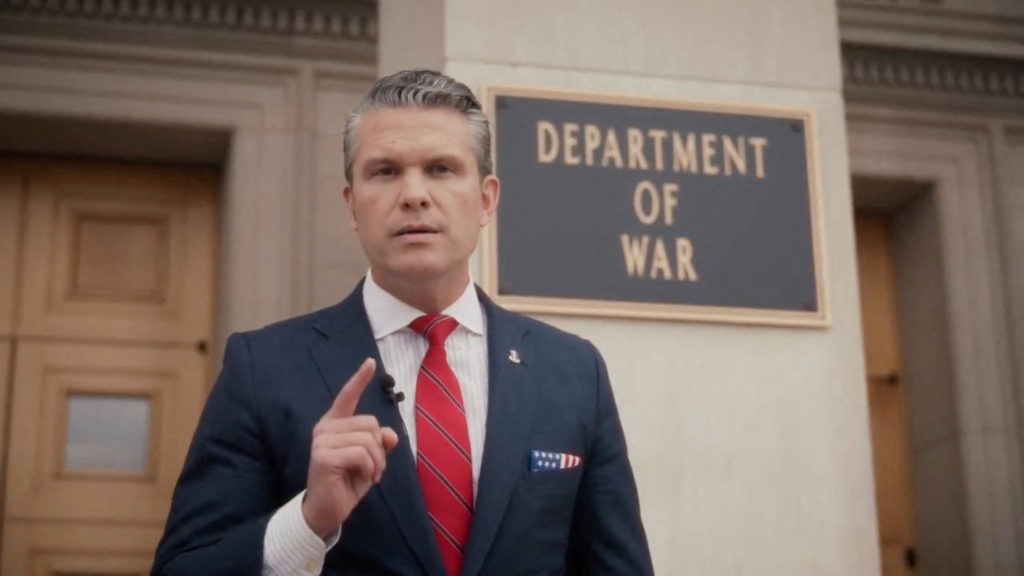
Hegseth responded in a video posted to X, saying he would fight the effort and describing it as political theater. New members of Congress are also arriving for orientation ahead of their first term. House Republicans plan to hold a leadership vote after election losses; Speaker Mike Johnson said he will not seek the next term as minority leader. Majority Leader Steve Scalise and Judiciary Committee Chair Jim Jordan are seeking the party’s top House leadership role.
Congress Should Put Hegseth’s Conduct to a Vote
On November 8, lawmakers returned to Washington facing a direct test of whether the House will consider outgoing Rep. Thomas Massie’s impeachment resolution against Defense Secretary Pete Hegseth. Under House rules, the resolution must receive a vote, and Massie says the only way to prevent that vote is for Hegseth to resign or President Donald Trump to fire him.
Hegseth has dismissed the effort as political theater and vowed to fight. But calling an impeachment effort political does not answer the question Congress must confront: whether the defense secretary should face a formal vote. The House should not let partisan defensiveness substitute for its responsibility to consider the resolution.
Congress also has to begin work on government funding. The current measure runs out December 11. As lawmakers manage that deadline and orient new members, House Republicans are preparing to choose their next leader after election losses. Mike Johnson will not seek the role; Steve Scalise and Jim Jordan are contenders.
Impeachment Push Risks Turning Congress Into Political Theater
On November 8, Congress returned to Washington with a politically charged impeachment effort threatening to dominate its post-election session. Outgoing Rep. Thomas Massie says he will force a privileged resolution against Defense Secretary Pete Hegseth, prompting a House vote unless Hegseth steps down or President Donald Trump dismisses him.
Hegseth has pledged to fight, calling the effort political theater. The central danger is that Congress will spend its limited session on a partisan confrontation instead of focusing on the work directly before it. Government funding expires December 11, and lawmakers are expected to turn in the coming days to preventing a government shutdown.
The session also brings freshman orientation and a leadership contest among House Republicans after election losses. Speaker Mike Johnson has ruled himself out of the next minority-leader race, leaving Majority Leader Steve Scalise and Judiciary Committee Chair Jim Jordan among those competing. The funding deadline and leadership transition make the impeachment push an especially consequential distraction.
Reported by AZFamily, FOX 2 Detroit, FOX 10 Phoenix, Denver7, Talking Points Memo, PBS NewsHour, MSNBC.