Animal Group Presses D.C. Restaurant to Cancel Foie Gras Dinners
Animal Outlook is demanding that Mallard cancel an upcoming foie gras supper series after the Washington, D.C., restaurant advertised the dishes as coming from “humanely-raised ducks only.” The animal protection group issued a formal demand on November 6, days after District voters approved a sweeping prohibition on foie gras sales.
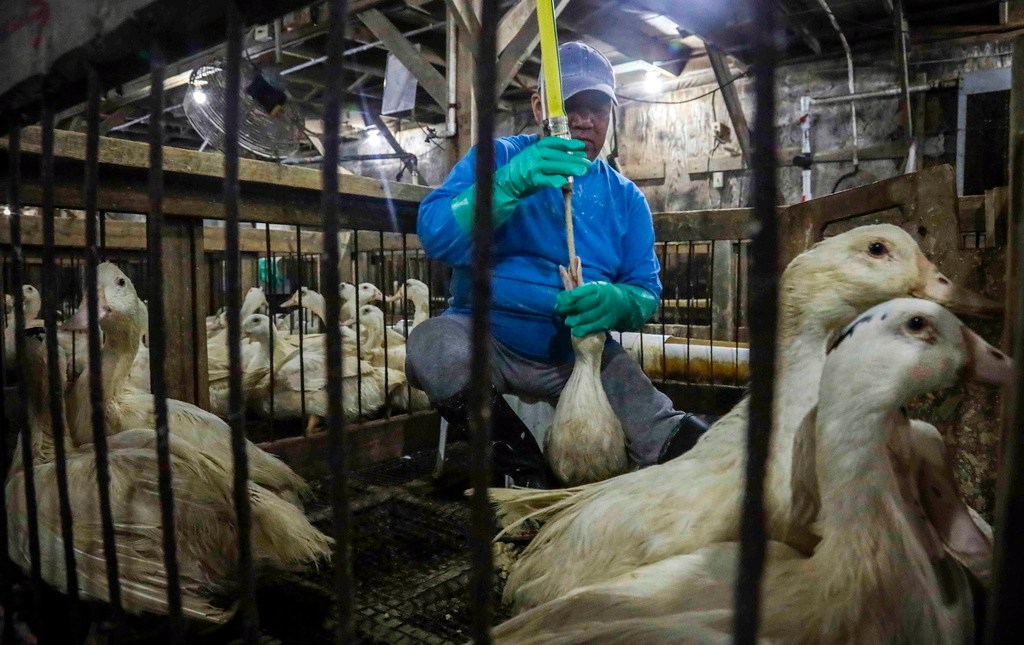
Animal Outlook executive director Ben Williamson disputed the restaurant’s initial description, saying ducks used to produce foie gras are confined and force-fed several times a day. Foie gras consists of a duck’s or goose’s liver enlarged through repeated feeding, with a tube placed in the animal’s throat.
After receiving the letter, Mallard removed the original promotion and posted a revised advertisement without the humane-sourcing claim. Animal Outlook said it welcomed the change but still wants the dinners canceled. The group gave the restaurant until 5 p.m. on November 9 to respond. A Mallard representative declined to comment on either the event or the letter.
The ban will not take effect until next July, so restaurants may serve foie gras until then. It is unclear whether Mallard will cancel the series or whether the group will take further legal action if it goes ahead. Questions also remain about funding for enforcement and whether lawsuits by foie gras producers might hold up the ban.
The measure has divided the local culinary community. Chef Jose Andres and other chefs have criticized the ban as a burden on restaurants and a limit on culinary creativity, while animal welfare advocates describe it as a step against cruelty and a way to draw attention to wider farming practices.
D.C. Voters Rejected Foie Gras as Mallard Faces Pressure to Cancel
District voters delivered a clear message by approving a foie gras sales ban, and Animal Outlook is urging Mallard to stop promoting dinners built around the dish. The group sent the Washington, D.C., restaurant a cease-and-desist letter on November 6, following an advertisement that described its duck supply as humanely raised.
Animal Outlook executive director Ben Williamson challenged that claim, pointing to the confinement and repeated force-feeding involved in producing foie gras. The dish comes from the swollen liver of a duck or goose, enlarged by feeding through a tube placed in the animal’s throat. For animal welfare advocates, the dispute is not just about advertising language; it is about whether a practice voters have rejected should continue to be celebrated on restaurant menus.
Mallard removed the original promotion and replaced it with one that omitted the humane-sourcing description. Animal Outlook welcomed the edit but says that is not enough: it wants the supper series canceled and gave the restaurant until 5 p.m. on November 9 to respond. Mallard declined to comment.
The ban takes effect next July, leaving restaurants able to serve foie gras until then. Whether Mallard will proceed remains unclear, as does whether Animal Outlook will pursue further legal action. Chefs including Jose Andres have criticized the measure as a burden and a constraint on culinary creativity. But that argument leaves animal welfare advocates asking why protecting a restaurant’s menu should outweigh voters’ decision to prohibit sales.
Foie Gras Ban Puts Restaurant Menus in Animal Group’s Crosshairs
An animal protection group is pushing Mallard to cancel a foie gras supper series before Washington, D.C.’s voter-approved sales ban even takes effect. Animal Outlook sent the restaurant a cease-and-desist letter on November 6, objecting to an advertisement that had described its duck supply as humanely raised.
Mallard removed that wording and issued a revised promotion, but Animal Outlook is still demanding that the dinners be canceled. The group gave the restaurant until 5 p.m. on November 9 to respond. A Mallard representative declined to comment on the event or the letter.
The dispute highlights the burden the new ban may place on restaurants and the chefs who say prohibiting an ingredient restricts culinary creativity. Foie gras remains legal to serve until next July, when the measure takes effect. Animal Outlook executive director Ben Williamson says ducks used to make it are kept in confinement and force-fed several times daily; the delicacy comes from a duck’s or goose’s enlarged liver.
The group welcomed Mallard’s removal of the disputed description, but it is now seeking to stop the dinners altogether. Whether the restaurant will comply, and whether Animal Outlook will pursue further legal action, remains unclear. District officials also have yet to secure enforcement funding, while producer lawsuits may postpone implementation. Voters approved the ban decisively, but chefs’ concerns about its impact on restaurants and creative freedom remain part of the local debate.
Reported by The Washington Examiner, FOX 5 DC.