Democrats Face Tests Over How to Deliver Affordability
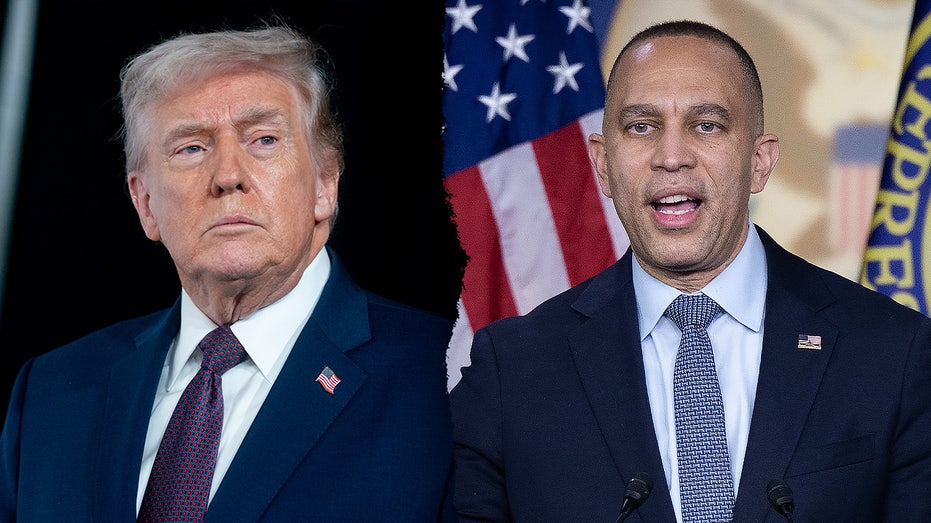
Democrats are preparing to make the cost of living their central focus when they take control of Congress in January, after major midterm victories. But lawmakers, advocates and economists disagree over which policies can deliver results—and how much the party can accomplish with President Donald Trump able to veto legislation.
House Democratic leaders have proposed restoring Affordable Care Act subsidies and reversing Medicaid and food assistance cuts, rolling back tariffs and ending the war in Iran. Some advocates want Democrats to press for action before the new Congress convenes, using a December 11 government-funding deadline to seek measures including protection against upcoming Medicaid cuts.
The party’s electoral success has brought together moderates and progressives around affordability, but not necessarily around the means. Some Democrats urge a focus on proposals that could win broad agreement; others want to advance more ambitious ideas even if Trump rejects them. Incoming Pennsylvania lawmakers have also named tariffs, health care and the Iran war among their priorities, while progressive activists say fights over the scope of the agenda will continue.
Economists and former Biden administration adviser Jared Bernstein have cautioned against promising quick or sweeping price reductions. Josh Bivens of the Economic Policy Institute argues that higher wages and stronger labor protections could improve purchasing power alongside efforts to lower prices. Ending the Iran war is a shared priority among many Democrats, though it may not immediately reduce fuel costs.
If legislation stalls, Democrats could use congressional oversight to scrutinize companies they say are exploiting tariffs and the war to raise prices. Their challenge, as they prepare to return to Capitol Hill, is to show voters they are acting on affordability while navigating internal disagreements and Trump’s veto power.
Democrats Must Use Their Mandate to Cut Costs and Raise Pay
Voters have given Democrats a chance to confront soaring household costs, and the party should not let presidential veto threats narrow that mandate before the work begins. On November 6, incoming lawmakers and advocates pointed to health care, tariffs and the Iran war as urgent targets, while progressives pressed for a broader response.
House Democratic leaders have proposed restoring Affordable Care Act subsidies, reversing Medicaid and food assistance cuts, rolling back tariffs and seeking an end to the war. Advocates want Democrats to use a December 11 funding deadline to protect families from Medicaid cuts scheduled for January and to push for steps that could ease fuel costs.
The party’s divisions are over how far to go. Some lawmakers say Democrats should concentrate on proposals with bipartisan backing. Progressives argue that avoiding measures because Trump may veto them wastes the opportunity to put workers and families first. They have called for policies including universal health coverage, a higher living wage and free child care.
Lower prices alone are not the only route to affordability. Economists have argued for raising incomes through a higher minimum wage and stronger labor protections, and warned that politicians cannot credibly promise to reduce the price of everything. Democrats can also use oversight to examine claims that corporations are using tariffs and the war to justify price increases.
Democrats’ new congressional majority will face disputes over the details, and Trump can block legislation. But treating that constraint as a reason to hold back would leave voters with little evidence that the party is using its power to address their costs. Ending the Iran war is a particularly prominent goal among Democrats, even if it would not lower gas prices immediately.
Democrats’ Affordability Promises Collide With Their Own Divisions
Democrats say affordability will be their first priority when they take control of Congress, but voters should judge the party by results, not an expansive list of promises. Its leaders are already divided over whether to pursue legislation likely to be vetoed or focus on measures with a chance of bipartisan support.
The proposed agenda includes reversing tariffs and health care cuts and ending the Iran war. Advocates want Democrats to use a December 11 government-funding deadline to demand action even before the new Congress begins. Incoming Pennsylvania lawmakers have likewise made affordability a leading concern, though their priorities also range from campaign finance to congressional rules.
Some Democrats caution that legislation certain to be rejected by President Donald Trump may consume effort without changing costs. Progressives want the party to put forward more far-reaching proposals anyway, including universal health coverage, higher wages and free child care. That gap may prove difficult to bridge in a large caucus that includes both socialists and candidates who ran as moderates.
There are also limits to what lawmakers can promise about prices. Economists have warned that reversing policies would not necessarily make costs fall quickly, and that no party can guarantee lower prices across the board. Raising wages and strengthening workers’ bargaining power are among the approaches Democrats are weighing, alongside attempts to curb costs directly.
Democrats can use congressional oversight if Trump blocks bills, including hearings on claims that companies are taking advantage of tariffs and the war to increase prices. But oversight is not the same as delivering lower bills. With the economy not expected to improve soon, Democrats will have to show they can turn their campaign message into concrete results while managing their own disagreements.
Reported by The New Republic, The Philadelphia Inquirer.