Democrats Face a Choice After Their Midterm Surge
Democrats’ midterm gains have revived a familiar question: whether a party winning voters’ frustration will treat the result as permission to pursue its full agenda. One warning is that voters may have backed Democrats chiefly to reject President Donald Trump and Republican policies, not to endorse every position the party holds. The other is that fear of alienating swing voters could keep Democrats from pursuing reforms with broad public support.
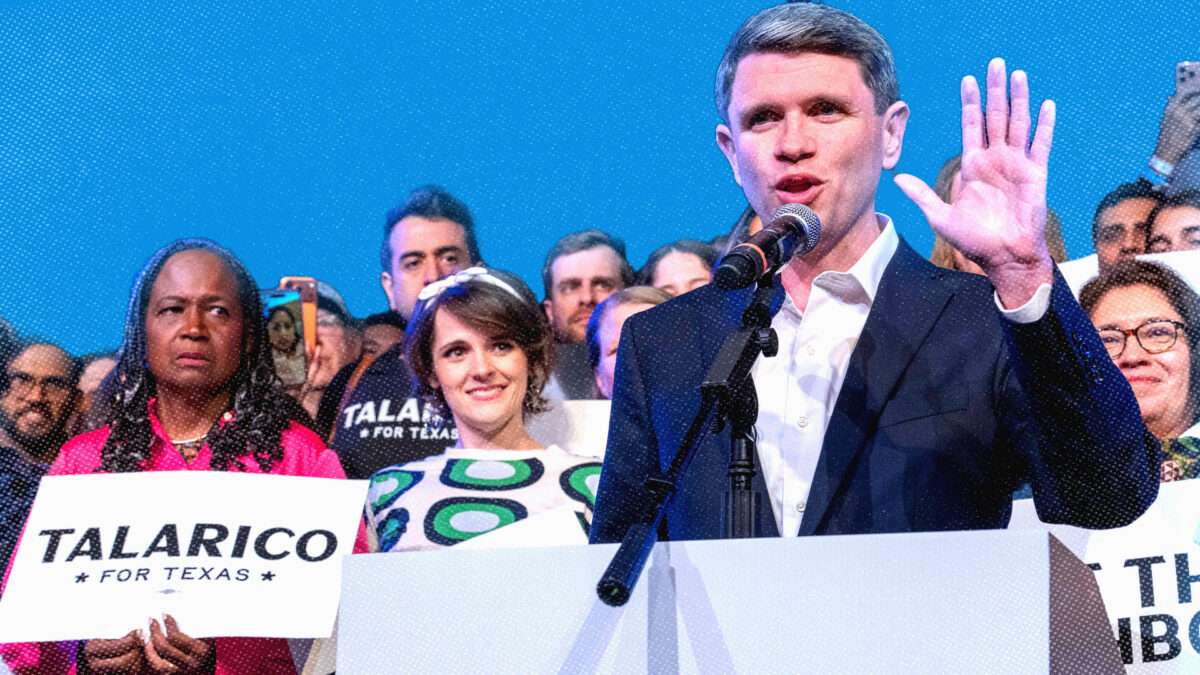
Some newly elected Democrats have emphasized practical concerns. Texas senator-elect James Talarico said he was open to working with Trump on lowering costs, including by reducing obstacles to homebuilding, and credited the president’s border efforts. Michigan senator-elect Abdul El-Sayed named winding down the Iran war, ending tariffs on Canada and reversing Republican Medicaid cuts as priorities.
But progressive groups and lawmakers are also urging investigations of businesses over alleged price-gouging and other practices, including in industries such as artificial intelligence and natural gas. Critics of that approach argue it could distract from measures such as reducing tariffs and ending the war, while alienating voters. Others say Democrats should use their victory to advance popular reforms, including more affordable health care, higher taxes on the very wealthy and action on housing costs. The party’s challenge is to decide how to turn its gains into policy without repeating the cycle of voter disappointment.
Democrats Should Use Their Win to Deliver Popular Reforms
Democrats should not mistake a sweeping win for a demand to retreat from ambitious policy. Voters have spent years asking for affordable health care, relief from high costs and a government that responds to them. The party now has an opportunity to make a sustained case for reforms rather than shy away because Republicans oppose them.
That means taking on the problems voters feel in daily life: medical bills, housing, childcare, groceries and utilities. Democrats can put universal, affordable health care on the national agenda, including a serious discussion of a path toward Medicare for All, and commit to raising taxes on the superrich while protecting middle-class households.
New senators-elect have already identified cost-of-living priorities. James Talarico supports cutting red tape that impedes home construction, while Abdul El-Sayed has called for ending tariffs on Canada, winding down the Iran war and reversing Republican Medicaid cuts. Democrats should focus on such concrete concerns, not revive cultural politics that could alienate voters. But they should also resist the familiar timidity of avoiding popular reforms simply because the other party objects. Their victory creates an opening to act on voters’ demands.
Democrats Risk Squandering Their Win on Progressive Overreach
Democrats’ gains are no blank check. Voters angry about prices and the Trump administration may have chosen the other party without endorsing its entire agenda. If Democrats read the result as permission to revive divisive cultural politics or pursue sweeping investigations of businesses, they could repeat the overreach that helped bring about the previous political reversal.
Some of the party’s newly elected leaders are striking a more measured note. Texas senator-elect James Talarico has spoken of working with Trump on costs and housing construction, and Michigan senator-elect Abdul El-Sayed has named tariffs, the Iran war and Medicaid as priorities. Those concerns speak more directly to voters’ material worries than a broad campaign against companies.
Progressives are urging scrutiny of industries including artificial intelligence and natural gas, and some lawmakers see price concerns as grounds to investigate corporate practices. But the party should not confuse anger over affordability with support for a witch hunt. Cutting barriers to housing, addressing tariffs and focusing on the costs voters face would be a more responsible response. A party that overreads its victory risks losing the swing voters who helped deliver it.
Reported by Reason, Newsweek, The Daily Wire.